
Review · CAMBODIA
Heritage tour of Phnom Penh in electric bus
See Phnom Penh before choosing where to go. This 2.5-hour electric bus tour gives you a useful first look at the capital, linking 22 important sites with Cambodia’s royal, colonial, artistic, and difficult modern past. I especially like the mix of riding and short walks, plus the small tablets that show interiors you normally cannot enter. The $27 price also includes water, headsets, and audio in 10 languages.
The main thing I would consider is the heat. The bus offers a comfortable break, but you still get out at several stops, and the experience is more of a broad city introduction than a full visit to each landmark. If you want long, unhurried time inside museums or monuments, you will need to explore further on your own.
Key details at a glance
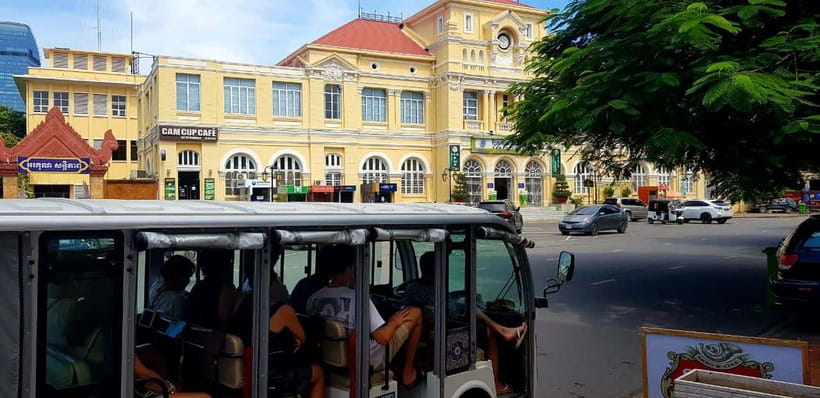
- 22 historic sites across 19 stops: You get a broad introduction to Phnom Penh rather than a single attraction.
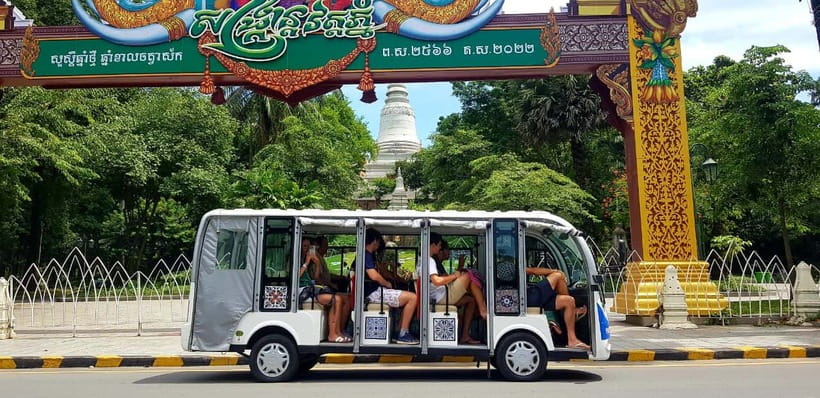
- Electric bus transport: The ride reduces the effort of crossing the city in hot weather and heavy traffic.
- 24 audio-video guides: Historical films, old photographs, and anecdotes add context as you move between locations.
- Three unusual interior visits: The route includes an Hokkien temple, the National Library, and the Royal University of Fine Arts.
- Ten audio languages: Choose from English, French, Chinese, German, Italian, Korean, Japanese, Spanish, Khmer, and Russian.
- A practical finish on Street 240: The tour ends near the Royal Palace and riverside, making it easy to continue sightseeing.
Why this electric bus tour makes sense on your first day
Phnom Penh can feel scattered when you first arrive. The Royal Palace, riverside, colonial buildings, markets, temples, and institutions do not all fit into one obvious walking route. This tour gives you a citywide frame before you decide where to spend more time.
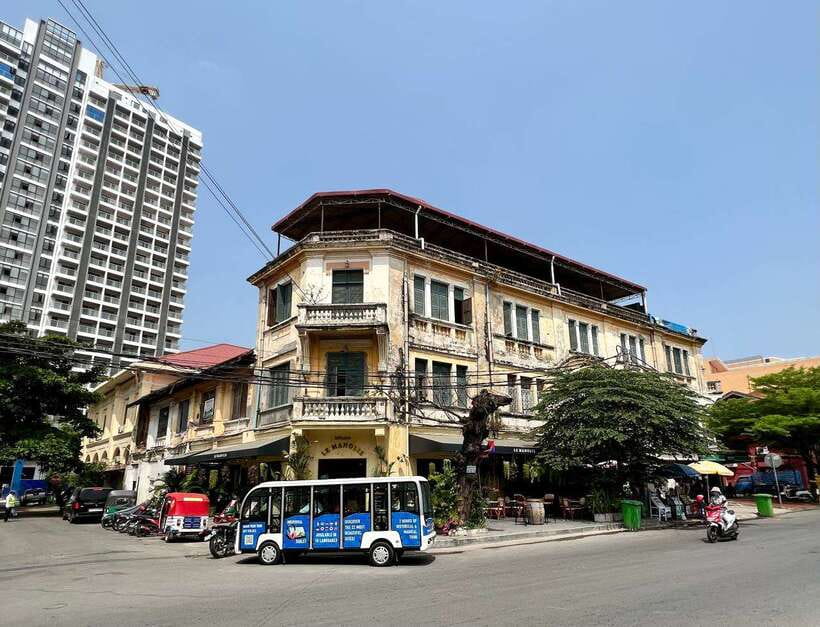
I like that the experience does not treat Phnom Penh as only a royal city or only a place marked by the Khmer Rouge period. It follows the city’s development from a fishing village to a capital, then looks at French urban planning, Art Deco fashion, social life, the royal family, elite culture, and the years of Khmer Rouge rule.
That range matters. You may see an attractive old building without knowing why it is there, or pass a formal institution without understanding its role in Cambodian society. The audio-video material helps connect those pieces.
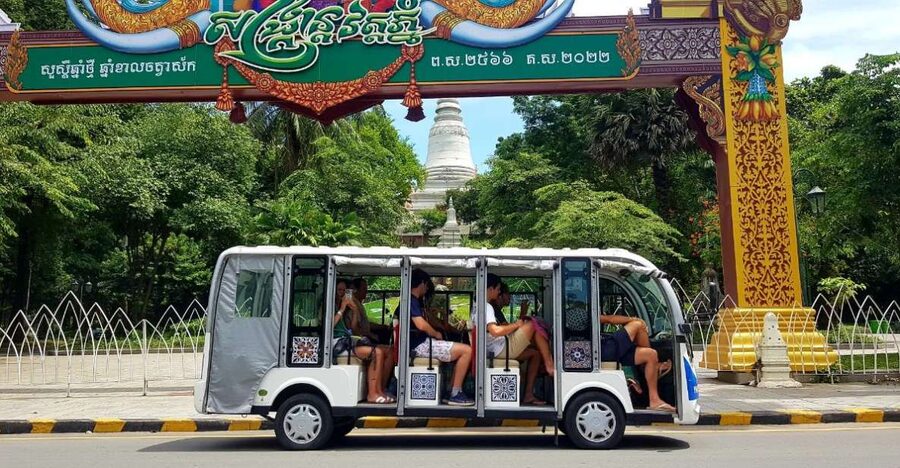
The electric bus is also a sensible choice for this kind of overview. You can cover more ground than on foot while avoiding the expense of arranging a private tuk-tuk. The bus will not give you the same freedom as a private vehicle, but the fixed route keeps the focus on the city’s story.
More History Tours in the world:
- Prague: Historic City Center Bus Tour with Top Sights
★ 4.4 · 2,360 reviews - 2-Hour Gettysburg Battlefield Guided History Bus Tour with a National Park Guide
★ 4.5 · 2,201 reviews - Top Rated Brooklyn Half-Day Food, History & Culture Tour via bus
★ 5.0 · 758 reviews
What happens during the 2.5-hour route
The experience lasts about two and a half hours. You ride between stops, listen through a headset, watch material on a tablet, and get out at selected points for closer views and extra explanations from the guide.
There are 19 stops covering 22 sites. That number tells you something important: the pace is fairly active. You are not settling into one building for an hour. Instead, you get short introductions to many places, with several chances to step off the bus and see sites at ground level.
The provided tablet carries 24 audio-video guides. These combine narration with films, vintage photographs, and historical anecdotes. In practical terms, the screen helps you picture Phnom Penh at earlier points in its development, especially when the modern city makes older layers hard to see.
The tablet also gives you virtual access to some buildings closed to the public. That is one of the most useful features. A passing look at a locked or restricted building can leave you with little more than a facade. A short interior film gives you a better sense of how the place was designed and used.
The tour is guided in English or French, while the audio content is available in 10 languages. If you need French, the tour has received particular praise for its clear French explanations. English-speaking visitors also get direct help from the guide during the stops.
From fishing village to French-planned capital

One of the strongest parts of the route is its long view of Phnom Penh. The city was not always the large Cambodian capital you see today. The program explains its transformation from a fishing village into a center of government, commerce, royal life, and education.
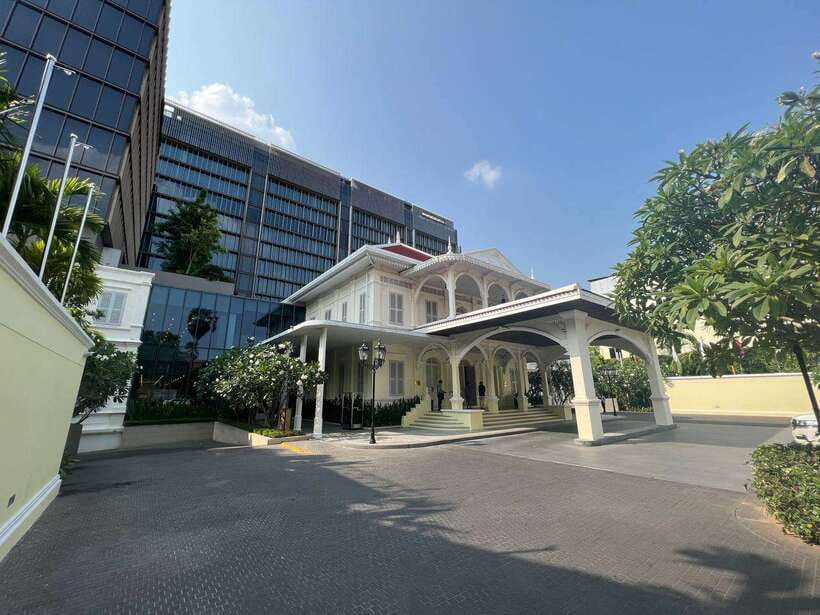
The French protectorate period receives special attention. This is not just an architectural tour. You learn about the first urban planning shaped by a French model, the growth of organized streets and civic buildings, and the way colonial power changed the capital’s appearance and social structure.
That context makes the older buildings easier to read. French influence did not create every part of Phnom Penh, and it did not erase local traditions. The tour instead shows how outside planning, Cambodian royal authority, Chinese commercial communities, and local social life existed side by side.
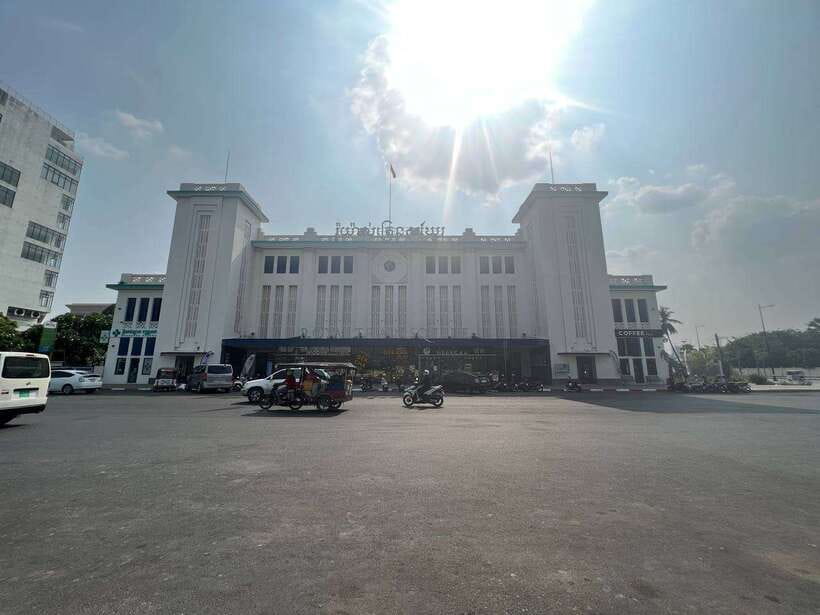
The focus on Art Deco architecture adds another useful layer. Phnom Penh’s older buildings are not all from one period or in one style. The enthusiasm for Art Deco reflected changing tastes and a city trying to present itself as modern in the early twentieth century.
You will not inspect every architectural detail during a moving bus tour. Still, the historical framework can help you recognize what deserves a closer look later.
Royal life, social class, and everyday Phnom Penh
The route also looks beyond buildings. It discusses the royal family, the organization of social life, and the lifestyle of the elite during the early twentieth century.
I find this important because a capital is more than its monuments. Grand civic buildings and royal spaces tell only part of the story. The program considers how Phnom Penh was organized, who held influence, and how the city’s upper classes lived during a period of major change.
The tablet’s old photographs are especially helpful here. A modern street can hide how formal or divided the city once was. Vintage images give you a visual comparison and make the social history less abstract.
This section will suit you if you like seeing how politics, architecture, and daily life fit together. It may feel less satisfying if you want only scenic sightseeing, since the experience puts real weight on explanation.
A few more bus tours around the world worth a look
- Mt Fuji and Hakone 1-Day Bus Tour Return by Bullet Train
★ 5.0 · 26,383 reviews - Barcelona: 24 or 48-Hour Hop-On Hop-Off Bus Tour
★ 4.4 · 20,872 reviews - London: Warner Bros. Studio Harry Potter Tour & Branded Bus
★ 4.7 · 19,194 reviews - Rome: City Sightseeing Hop-on Hop-off Bus with Audioguide
★ 4.0 · 16,045 reviews
Three unusual stops beyond the usual landmarks
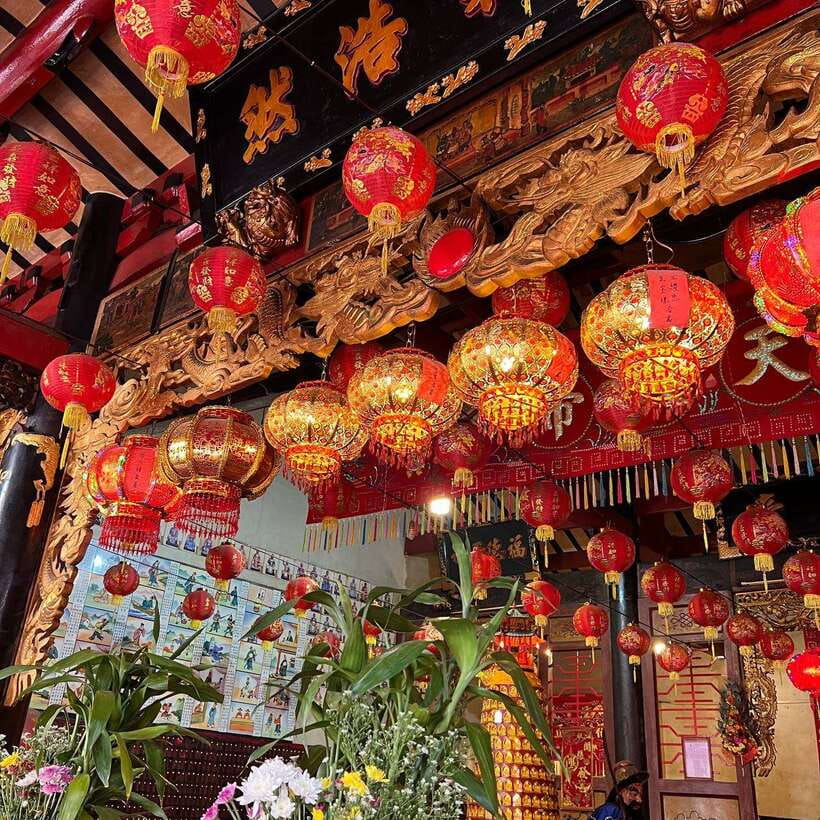
The tour includes walks into three less familiar places: an Hokkien temple, the National Library, and the Royal University of Fine Arts.
The Hokkien temple offers a glimpse into the Chinese cultural presence in Phnom Penh. It broadens the story beyond French and royal influence, showing that the capital’s identity was also shaped by immigrant communities and religious traditions.
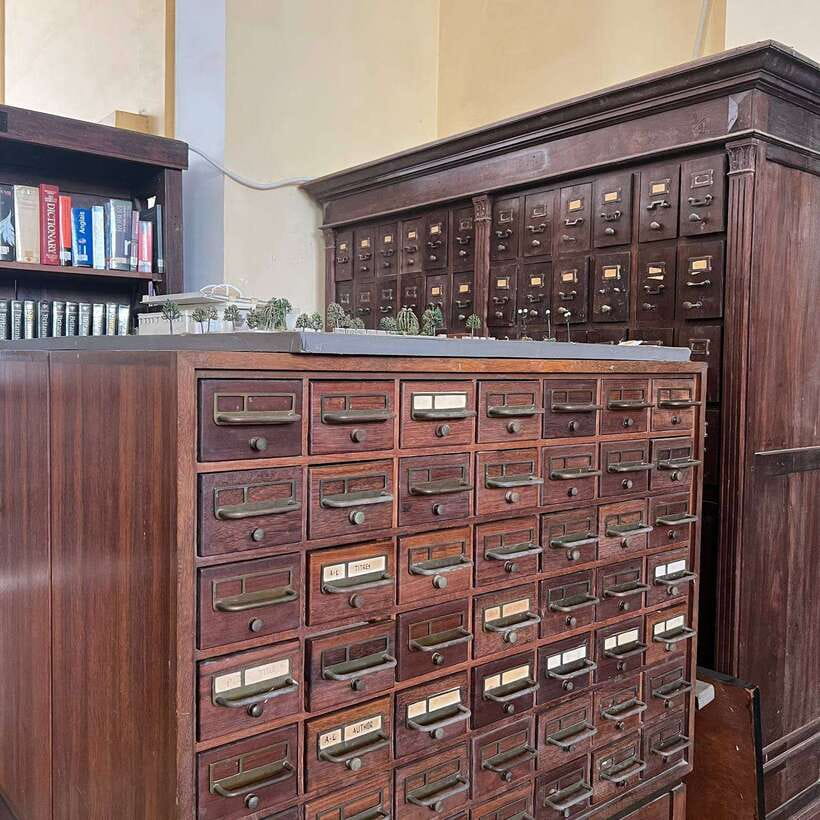
The National Library adds another institutional perspective. It connects with the city’s intellectual and administrative development, while the tablet material can help you understand the building beyond its exterior.
The Royal University of Fine Arts brings Cambodia’s artistic education into the route. This is a useful stop for anyone interested in architecture, design, sculpture, traditional arts, or the way a country preserves and teaches its cultural practices.
These three places are part of what makes the tour different from a basic drive past the Royal Palace and central monuments. They may not be the first locations you would choose without local guidance, yet they help explain how Phnom Penh functions as an educational, religious, and cultural capital.
The available information does not promise long visits at each site, so keep your expectations realistic. You are getting access and orientation, not an extended independent tour of every building.
Facing Cambodia’s difficult twentieth century
A responsible introduction to Phnom Penh cannot stop with elegant facades and colonial architecture. The tour also covers the dark period of Khmer Rouge rule.
The exact detail and emotional weight will depend on the guide and the audio program, but including this subject gives the route a necessary balance. Phnom Penh’s past is not a straight story of royal ceremony and urban progress. It also includes violence, disruption, and the destruction of social and cultural life.
The value here is that the difficult period appears within a wider story of the city. You can begin to understand how Phnom Penh changed before the Khmer Rouge, what was broken during those years, and why later urban life cannot be separated from that memory.
This portion may feel heavy, especially alongside the lighter architectural material. That is appropriate. I would not choose this tour if you want a purely relaxing sightseeing ride, but I would value the honest scope if you want a more accurate first understanding of Cambodia’s capital.
The guide adds more than the tablet
The technology is useful, but the human guide remains important. At several stops, you can get off the bus and hear additional explanations in person. That helps turn the route from a recorded city circuit into a guided experience.
Recent feedback especially praises the friendly approach and the extra information given during walks. One small group of only three people received a particularly attentive experience, which suggests that group size can affect how personal the tour feels. Group size is not specified as a standard feature, so you should not book expecting a private outing.
The strongest comments focus on clear explanations, language support, and the way the guide adds details beyond what appears on the tablet. That combination is worth paying for. A screen can show a vintage photograph, but a guide can point out what to notice at the site and answer a question in the moment.
English and French are the stated guide languages. The tablet audio offers the wider selection of Chinese, German, Italian, Korean, Japanese, Spanish, Khmer, and Russian, along with English and French.
Heat, comfort, and the walking stops
Phnom Penh can be hot, and this is one reason the electric bus format works well. You spend part of the route seated and out of direct exposure, while still getting a chance to walk into selected places.
The tour includes a bottle of water. That is welcome, but one bottle should not be your only plan for a warm day. Food and other drinks are not included, so arrange anything additional yourself.
You should wear practical walking shoes and clothing suited to the heat. The route includes stops where you get out and walk, though the supplied details do not specify the distance at each location. The experience is described as restful despite the heat, but it is not a no-walking sightseeing ride.
The bus also means you give up some flexibility. You cannot stop whenever a street catches your eye or linger as long as you wish at one facade. In return, you get a clear route and a chance to cover more of Phnom Penh without organizing several separate rides.
Ending near Street 240 and the riverside
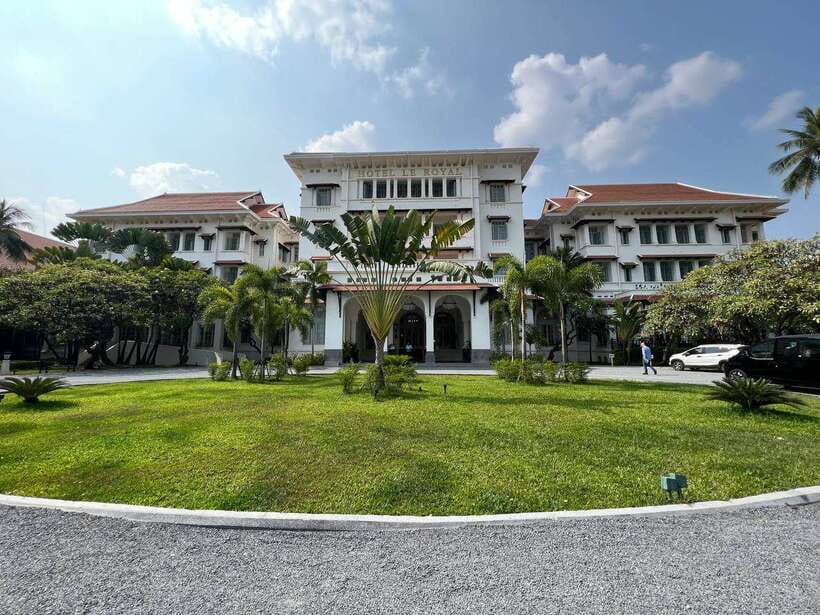
The tour finishes on Street 240, close to the Royal Palace and the riverside. This is a smart ending point because you are not dropped at an isolated parking area with nothing else to do.
After the tour, you can continue exploring independently in the central area. The location is also useful if the experience is your morning orientation and you want to spend the rest of the day visiting the Royal Palace or walking along the riverfront.
The ending gives the tour practical value beyond its two and a half hours. You finish with ideas rather than a fixed all-day schedule. The route helps you decide which areas deserve a second look, which buildings you want to photograph, and where you want to spend more time on foot.
Is $27 a fair price?
At $27 per person, this is not the cheapest way to move around Phnom Penh. A basic tuk-tuk ride can cost less, especially if you are only going between two nearby places.
The comparison changes when you count what is included: electric bus transport, a guide, tablet-based films and photographs, headsets, a bottle of water, and access to a structured route covering 22 sites. You are paying for interpretation and planning, not just transport.
I think the price is fair for a first visit, particularly if you would otherwise hire separate rides and piece together the city yourself. It is also good value for people who want historical context in a chosen language.
The value is weaker if you already know Phnom Penh well, prefer independent wandering, or want long visits inside individual museums and monuments. This is an overview. Its job is to show you the shape of the city and help you plan what comes next.
Free cancellation is available up to 24 hours before the activity, and you can reserve now and pay later. Hotel pickup and drop-off are not included, nor are food, drinks, or private tuk-tuk transport.
Who should book this experience?
I would recommend it to a first-time visitor who wants a clear introduction without spending hours in the heat. It suits anyone interested in architecture, urban growth, royal history, Chinese cultural influence, education, art, and Cambodia’s modern past.
It is also a good fit if you want audio support in a language other than English or French. Families and older visitors may appreciate the balance between riding and short walks, although the exact walking demands are not given.
I would be more cautious if your main goal is photography at a relaxed pace. Nineteen stops and 22 sites create breadth, but not unlimited time. The same applies if you want a deeply detailed visit to one landmark. This tour points you toward those places rather than replacing a separate visit.
Should you book the Phnom Penh Heritage Tour?
Book it if you have just arrived, want to understand Phnom Penh quickly, and like a mix of live guiding and visual history. The most valuable features are the 22-site route, the three unusual interior visits, the 10 audio languages, and the tablet footage of buildings you cannot normally enter.
Skip it if you want total freedom, a private vehicle, or a slow architectural walk. For $27, though, it offers a well-shaped introduction to a complicated city, with enough practical direction to improve the rest of your stay.
FAQ
How long does the Phnom Penh Heritage Tour last?
The tour lasts 2.5 hours.
How much does the tour cost?
The stated price is $27 per person.
How many sites does the tour visit?
The experience covers 22 major sites across 19 stops.
What type of transport is used?
The tour uses an electric bus.
Are audio guides included?
Yes. Audio-video guides are provided through tablets and headsets.
What languages are available for the audio guide?
The audio guide is available in Cambodian, Chinese, English, French, German, Italian, Japanese, Korean, Russian, and Spanish.
What languages can the tour guide speak?
The instructor languages are English and French.
Are tablets and headsets included?
Yes. Tablets and headsets are included in the experience.
Does the tour include visits inside buildings?
You can walk into three unusual places: an Hokkien temple, the National Library, and the Royal University of Fine Arts. The tablet also provides virtual access to some buildings closed to the public.
Does the tour include hotel pickup and food?
No. Hotel pickup and drop-off, food, drinks, and private tuk-tuk transportation are not included. A bottle of water is provided.
Where does the tour finish?
The tour ends on Street 240, near the Royal Palace and the riverside.
Can I cancel for a full refund?
Yes. You can cancel up to 24 hours in advance for a full refund.
Can I reserve without paying immediately?
Yes. The reserve-now, pay-later option lets you hold your plans without paying at the time of booking.
Just added around the world
- London Panoramic Open Top Bus Tour with Audio Guide★ 4.0 · 209 reviews
- Paris by Rail – Sightseeing Bus and Eiffel Tower Champagne Lunch★ 4.0 · 18 reviews
- London Vintage Bus Tour with Cream Tea at Harrods★ 4.0 · 145 reviews
- London’s Family-friendly Routemaster Bus Tour with Live Guide★ 5.0 · 18 reviews
- London Tour Hop-on Hop-off Bus with Optional Thames River cruise★ 3.5 · 39 reviews
- London Vintage Bus Tour Including River Thames Cruise with Optional Lunch★ 4.0 · 286 reviews
- Christmas Lights Open-Top Bus Tour★ 4.0 · 31 reviews
- Christmas Lights Tour by Vintage Bus in London★ 5.0 · 2 reviews
Historical Tours, compared.

Historic City Center Bus Tour with Top Sights
Read our review →
2-Hour Gettysburg Battlefield Guided History Bus Tour with a National Park Guide
Read our review →
Hop-on Hop-Off Historical Tram Ticket for Line 42
Read our review →

Top Rated Brooklyn Half-Day Food, History & Culture Tour via bus
Read our review →
Charleston: Historic City Highlights Guided Bus Tour
Read our review →

Memphis: Big Mojo Sun Studio + Music History 3-Hour Bus Tour
Read our review →Browse the lists this tour appears in