
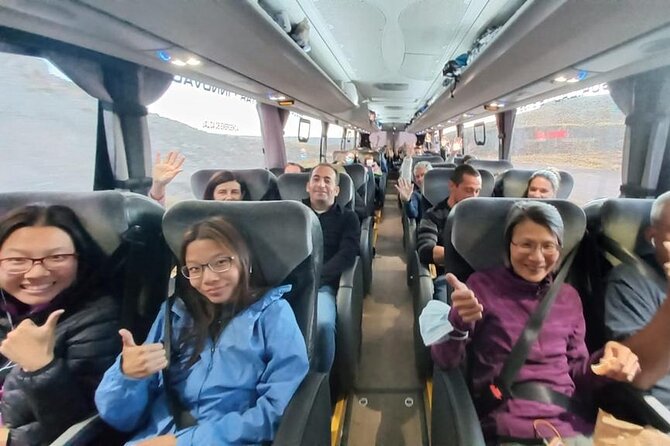
Review · PERU
Turist Bus Colca Canyon (Chivay) To Puno
The road to Puno is part of the trip. This six-and-a-half-hour bus journey turns a necessary transfer into a guided outing through Peru’s high Andes, with stops for volcano views, wild camelids, mountain lakes, and roadside refreshments. I like the sensible afternoon timing and the chance to see places you would otherwise pass in a blur from a regular bus window.
I especially like the Abra Patapampa viewpoint, where you may see several volcanoes and the source area of the Amazon River, and the useful hotel drop-off offered in central Puno. The main concern is that snacks, bottled water, and Wi-Fi may not always be available as promised, so I would bring your own food, water, and backup plans for internet access.
Key Points to Know Before You Go
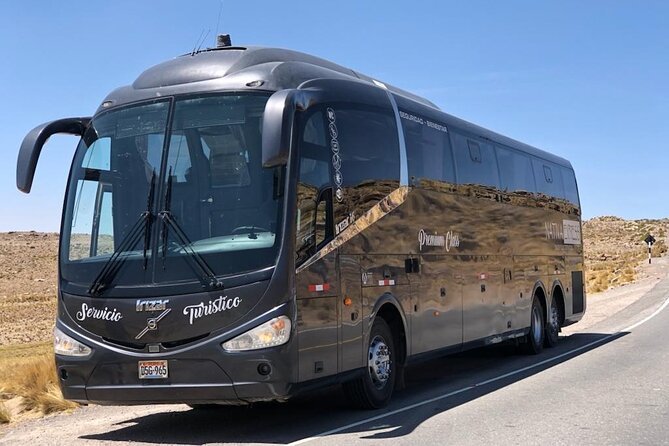
- The 1:15 pm departure makes this a sightseeing transfer: You leave Chivay after the morning’s Colca Canyon activities and reach Puno around 7:00 to 7:30 pm.
- Four sightseeing stops break up the ride: Abra Patapampa, Tocrapampa, Patahuasi, and Laguna Lagunillas each offer a different view of the high Andes.
- Abra Patapampa reaches about 4,800 meters: The altitude makes this a quick photo stop, not a place to linger.
- Patahuasi is the most practical stop: You can use the toilets, buy souvenirs, and find hot herbal drinks such as muña and chachacoma.
- The bus is designed for a long transfer: Air conditioning or heating, charging points, a reading light, and a toilet are included, although the toilet depends on the vehicle used.
- The group can reach 40 people: Expect an organized coach experience rather than a small private tour.
Why This Chivay to Puno Transfer Makes Sense
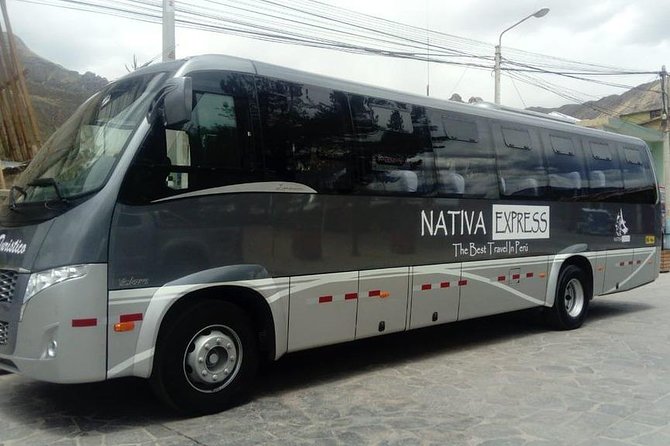
At $41.03 per person, this service sits in a useful middle ground. You are not paying only for a seat from Chivay to Puno. You are also getting a bilingual Spanish-English guide, four stops, a sightseeing route, and possible hotel delivery in central Puno.
That matters because Chivay and Puno are connected by a long high-altitude road with few reasons to stop on an ordinary transfer. Here, the journey is divided into manageable sections. You get off the bus, stretch your legs, take photographs, and hear a little context from the guide before continuing.
I would not choose this trip if you want a fast, direct ride. The stops and the mountain roads make the journey last about 6 hours and 30 minutes. Construction or road delays can stretch that time. One ride took about 7.5 hours because of construction traffic, so do not schedule a tight evening connection in Puno.
The service is recommended by 95 percent of customers and has a 4.8 rating from 83 reviews. That is a strong record, especially for a long road transfer. The praise focuses on the guide’s care and the comfortable bus. One especially useful detail is that the guide helped people sort out onward arrangements and overnight stays, which can be valuable when you arrive tired in Puno.
A few more bus tours around Peru worth a look
- Cusco: Sightseeing Tour of the City on an Open-Top Bus
★ 4.0 · 481 reviews - Open Bus Cusco City Tour
★ 4.5 · 219 reviews - City Tour Panoramic Bus Departure from Larcomar
★ 5.0 · 97 reviews
Meeting in Chivay and Setting Out at 1:15 pm
The meeting point is the operator’s office beside the church on Chivay’s main plaza. The stated waiting window is from 12:30 to 1:10 pm, with departure at about 1:15 pm.
This is easy to understand, but you should not arrive at the last second. The plaza is the key reference point, and the office is beside the church rather than at a separate out-of-town terminal. Keep your luggage clearly marked and have your booking confirmation ready.
The afternoon departure works well for a common Colca Canyon travel pattern. You can spend the morning in the Chivay area, then use the afternoon to cross toward Lake Titicaca and Puno. The tradeoff is that most of the ride happens later in the day. Light can fade during the final stretch, so the first stops are likely to offer the clearest views.
Abra Patapampa and the High Point of the Route
The first major stop is Abra Patapampa, also called the Mirador de los Andes. The stop lasts about eight minutes and admission is free.
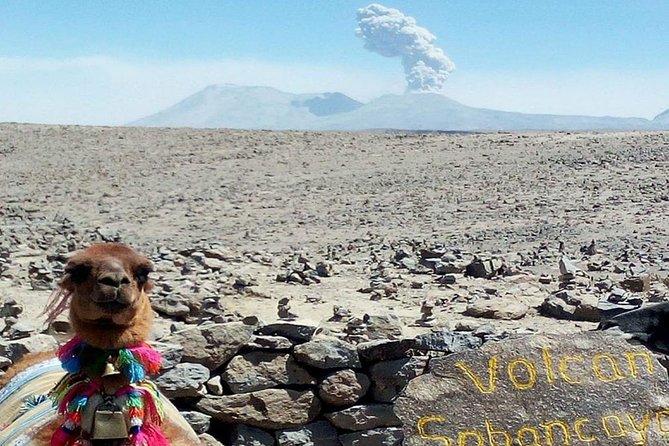
This is the place for a quick burst of high-mountain scenery. From the viewpoint, you may see the volcanoes Ampato, Sabancaya, Hualca Hualca, and Mismi, along with the Chila mountain range. Mismi is especially interesting because the area is identified as the source of the Amazon River.
You may also see apachetas, small stone towers traditionally left by travelers as offerings to their gods. They add a human detail to an otherwise broad, stark setting. Look carefully near the viewpoint rather than rushing straight to the biggest panorama.
Eight minutes is enough for photographs, but not much else. The altitude is also serious, with Abra Patapampa reaching roughly 4,800 meters. Even if you feel fine in Chivay, the height can make a short walk feel harder than expected. Move slowly, keep your jacket handy, and do not treat this as a place for a long stroll.
The stop is best understood as a viewpoint, not a destination by itself. The air, volcanoes, stone offerings, and high plateau give you a strong sense of the route’s scale. Then you return to the warm bus.
Tocrapampa and the Search for Vicuñas
Tocrapampa is described as a technical stop for observing South American camelids. You may see llamas and alpacas grazing in their natural setting, and with luck, vicuñas.
Vicuñas are the wild relatives of llamas and alpacas. Their exceptionally fine fiber is among the most valuable in the textile industry, which helps explain why spotting one feels more special than seeing a domesticated alpaca at a market.
There is no stated duration for this stop, so listen for instructions from the guide. It may be a short pause rather than a full sightseeing visit. Keep your camera ready and use the stop to look across the open plateau, where animals can blend into the background.
This stop also shows why a guided transfer is more useful than a direct coach. A standard bus may pass the same animals without explanation or without giving you time to notice them. Here, the guide can point out what you are seeing and help you distinguish the camelids.
Same place, a different way to ride:
- Cusco: Open-Top Bus City Tour
★ 4.4 · 64 reviews - Lima : City Tour by Panoramic Bus – Walking & Catacombs
★ 4.3 · 41 reviews - Lima : City tour 360° Panoramic bus – Sightseeing Tour
★ 4.0 · 15 reviews - Machu Picchu Entry Ticket and Bus from Aguas Calientes
★ 3.8 · 8 reviews
Patahuasi in the Aguada Blanca Reserve
Patahuasi is located in the Pampa Cañahuas area of the Aguada Blanca National Reserve, behind Chachani volcano. The stop lasts about 15 minutes.
For many people, this will be the most practical break. You can use the toilets, buy crafts and souvenirs, and order hot drinks made with local herbs such as chachacoma and muña. A warm cup is welcome at high altitude, particularly if the afternoon air has turned cold.
The reserve is also a good place to look for vicuñas, llamas, and alpacas. With good luck, you might spot foxes or guanacos farther away. Do not expect a wildlife park with guaranteed sightings. These are open areas, and the animals are not arranged for easy viewing. Binoculars would be useful, though they are not listed as part of the service.
Patahuasi gives you a chance to refill your water supply, but prices at roadside stops can be high. One passenger had to buy water at a costly rate after no bottle was offered on the bus. I would bring at least one full bottle from Chivay, even though bottled water is listed among the included items.
The 15-minute stop goes quickly. Decide first if you need the toilet, a drink, a souvenir, or photographs. Trying to do everything may leave you hurrying back to the coach.
Laguna Lagunillas and Reflections in the Altiplano
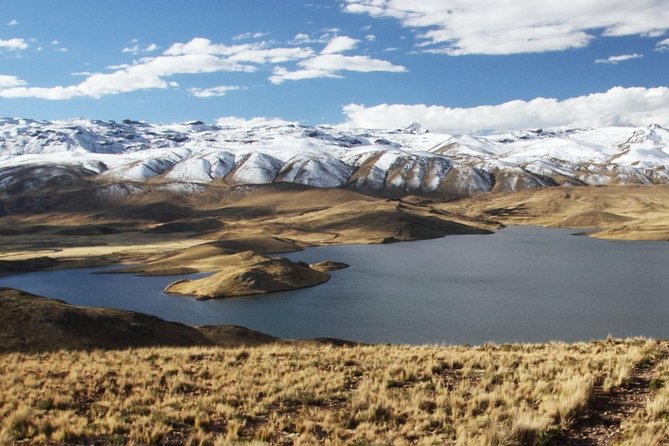
The final sightseeing stop is Laguna Lagunillas, a 15-minute viewpoint over several small lakes. The water can look like a set of mirrors reflecting the sky, which makes this one of the more photogenic pauses on the route.
The lakes are also a habitat for Andean flamingos and other birds, depending on the season. The word depending matters here. You may see flamingos, but the stop cannot promise them. The best approach is to enjoy the water and open mountain setting first, then watch the shoreline for birds.
Fifteen minutes is enough for a good set of photos if you go directly to the viewpoint. Bring your phone or camera fully charged. The bus is listed with charging points for phones, tablets, and laptops, but it is still wise to start the day with your own battery power.
This stop comes late in the ride, when you may be ready to reach Puno. Still, it is a worthwhile final pause. After several hours of road travel, stepping out beside the lakes gives the journey a clean finish rather than ending with one long uninterrupted push to the city.
What the Bus Is Like for a Six-Hour Ride
The coach is air-conditioned and may provide heating, an important feature on a high-altitude route where temperatures can change quickly. Seats also come with individual reading lights and charging points for phones, tablets, and laptops.
Free Wi-Fi is listed, as is a chemical toilet on some vehicle types. The formal inclusions also list a bottle of water, and the tour description refers to snacks, water, and coffee. However, one passenger reported that none of those items were offered, including the Wi-Fi and bottled water.
That mismatch is the main practical weakness. If you need internet for work, do not count on the bus connection. If you are sensitive to dehydration at altitude, carry your own water. A sandwich or other snack is also sensible because the scheduled stops are short and are not presented as meal breaks.
The bus itself received praise for comfort, and the professional bilingual guide is a real benefit. You get information in Spanish and English, along with help during the stops. The maximum group size is 40, so the guide may be managing a full coach rather than giving personal attention to each person.
The onboard toilet depends on the vehicle. Treat it as a backup, not the only plan. Patahuasi has toilets, making that stop the safest chance to use proper facilities.
Reaching Puno and Getting to Your Hotel
Arrival in Puno is scheduled for around 7:00 to 7:30 pm. The ride ends in a different location from the Chivay meeting point, as you would expect from a one-way transfer. If your hotel is in Puno’s Historic Center, the bus may be able to take you directly to the hotel.
That last detail is more valuable than it sounds. Arriving after dark with luggage can make a short taxi ride feel like an extra chore. Hotel delivery is not presented as universal, so confirm that your accommodation is within the central area and ask the guide when you arrive.
If your hotel lies outside the Historic Center, you should plan for your own onward transport. The service does not promise delivery everywhere in Puno. Also leave room in your evening schedule because the stated arrival time is approximate, and roadwork can add an hour or more.
The guide’s willingness to help with onward arrangements is one of the strongest human touches of the trip. If you need help sorting out an overnight stay or the next leg of your journey, ask before everyone leaves the bus.
Who Will Get the Most From This Ride?
I would recommend this transfer to you if you want to travel from Chivay to Puno while seeing more than the inside of a coach. It suits first-time visitors who want a simple route with a guide, regular breaks, and a little context about the Andes.
It is also a good fit if you value convenience. The central Chivay meeting point, possible central Puno hotel drop-off, charging points, air conditioning, and bilingual assistance reduce the small hassles that can pile up on a long transfer.
You may prefer another option if you need reliable Wi-Fi, a guaranteed snack service, or a fixed arrival time. You should also reconsider if high altitude affects you badly, since the route reaches very high viewpoints and includes several hours on mountain roads.
The tour is suitable for most people, and the maximum group size is 40. That makes it accessible as a standard coach outing, but not an intimate private excursion. You will have to share the stops and follow the group’s schedule.
Should You Book the Chivay to Puno Bus?
Book it if you want a reasonably priced transfer with real sightseeing built into the route. The four stops give you volcanoes, camelids, mountain lakes, Andean birds, hot herbal drinks, and a look at the broad high plateau. At $41.03, that is solid value for a six-and-a-half-hour journey with a bilingual guide and possible hotel delivery in central Puno.
Go in prepared. Bring water, food, warm layers, and offline entertainment. Treat Wi-Fi, snacks, coffee, and the bus toilet as useful extras rather than essentials.
The final call is simple: this is a good choice for a scenic transfer, not a fast one. If the road itself is part of your Peru plans, the service turns a long travel day into a worthwhile series of short mountain stops.
FAQ
Where does the bus leave from in Chivay?
The meeting point is the operator’s office beside the church on Chivay’s main plaza. Passengers are expected between 12:30 and 1:10 pm, with departure scheduled for about 1:15 pm.
How long does the Chivay to Puno transfer take?
The planned duration is about 6 hours and 30 minutes. Arrival in Puno is expected around 7:00 to 7:30 pm, though road construction or traffic can make the trip longer.
Which sightseeing stops are included?
The route includes Abra Patapampa, Tocrapampa, Patahuasi, and Laguna Lagunillas. Each stop offers a different view, including volcanoes, camelids, high-altitude lakes, and possible Andean flamingos.
Is a guide included?
Yes. A professional bilingual guide who speaks Spanish and English accompanies the trip.
Is Wi-Fi available on the bus?
Free Wi-Fi is listed as an inclusion. However, one passenger reported that it was not available during the ride, so you should not depend on it for work or communication.
Are food and drinks included?
A bottle of water is listed as included, and the tour description also mentions snacks, water, and coffee. Since these items were not offered on one reported ride, bring your own water and food as a backup.
Can the bus take me to my hotel in Puno?
If your hotel is in Puno’s Historic Center, it may be possible to go directly to the hotel. The service does not promise hotel delivery for every location, so accommodation outside the center may require separate transport.
Just added around Peru
- Machu Picchu Entry Ticket and Bus from Aguas Calientes★ 3.8 · 8 reviews
- Machu Picchu 2 Days / 1 Night (By Bus)★ 3.7 · 4 reviews
- LIMA WALKING TOUR CATACOMBS FROM MIRAFLORES, HISTORICAL CENTER, WINES+BUS★ 4.8 · 8 reviews
- Lima : City Tour by Panoramic Bus – Walking & Catacombs★ 4.3 · 41 reviews
- Lima: City Sightseeing Panoramic Bus Tour★ 3.3 · 3 reviews
- Lima : City tour 360° Panoramic bus – Sightseeing Tour★ 4.0 · 15 reviews
- From Lima : 360° Panoramic Bus★ 4.0 · 3 reviews
- From Cusco: Full-Day Touristic Bus to Puno with Guided Tours★ 5.0 · 3 reviews
Peru Bus Tours, compared.
Sightseeing Tour of the City on an Open-Top Bus
Read our review →

City Tour by Panoramic Bus – Walking & Catacombs
Read our review →

LIMA WALKING TOUR CATACOMBS FROM MIRAFLORES, HISTORICAL CENTER, WINES+BUS
Read our review →
Machu Picchu Entry Ticket and Bus from Aguas Calientes
Read our review →Browse the lists this tour appears in