Review · ARGENTINA
Buenos Aires: Panoramic Bus Tour
Buenos Aires reveals itself in layers. This three-hour panoramic bus tour gives you a useful first look at seven major neighborhoods, from historic Monserrat to modern Puerto Madero, while a bilingual guide explains the city’s customs and past. I like the broad coverage and the two planned photo stops at Plaza de Mayo and Caminito. The main tradeoff is a tight schedule, with limited time to leave the bus and explore.
At $55 per person, this is priced as an orientation tour rather than a deep neighborhood visit. I especially like it for a first day in Buenos Aires, when the city can feel large and spread out. You should also know that the tour may use a coach of roughly 30 passengers, so waiting for the full group can eat into the stop time.
Key points at a glance
- Seven neighborhoods in three hours: See San Nicolás, Monserrat, San Telmo, La Boca, Puerto Madero, Retiro, Palermo, and Recoleta in one organized loop.
- Two proper photo stops: You get about 30 minutes at Plaza de Mayo and another 30 minutes at Caminito.
- A useful first orientation: The route introduces major sights such as the Obelisk, Colón Theatre, Recoleta Cemetery, and Puente de la Mujer.
- Three guide languages: Live commentary is offered in English, Portuguese, and Spanish.
- Hotel pickup may be arranged: The local partner assigns the closest pickup point after booking, based on your hotel location.
- Best for citywide coverage: It suits you if you want an overview, not long walks or detailed visits inside museums and monuments.
Why this bus tour works as a first look
Buenos Aires is not a city you understand from one central square. Its neighborhoods have distinct personalities, and this route gives you a quick sense of how the city changes from one area to the next.
You move from San Nicolás, the central theater district, to Monserrat, the colonial and political heart. Then the route reaches San Telmo, La Boca, Puerto Madero, Retiro, Palermo, and Recoleta. That range is the tour’s biggest strength. You can mark places for a later visit instead of spending your first day guessing where to go.
The panoramic bus format also helps when you want to cover distance without arranging several taxis or studying multiple transit routes. You stay seated for much of the tour while the guide points out important buildings and explains local culture, customs, and history.
I would not treat this as a replacement for walking Buenos Aires. It is an overview. The bus can show you the shape of the city, but it cannot give you much time in each neighborhood.
More Sightseeing Bus Tours in the world:
- Rome: City Sightseeing Hop-on Hop-off Bus with Audioguide
★ 4.0 · 16,045 reviews - Barcelona: City Sightseeing Hop-On Hop-Off Bus Tour
★ 4.4 · 10,061 reviews - Rome: Big Bus Hop-on, Hop-off Open-Top Sightseeing Tour
★ 4.1 · 9,537 reviews
From the Obelisk to San Nicolás
The tour begins or ends around the Obelisk, depending on the selected option and pickup arrangement. The Obelisk sits in San Nicolás, one of the city’s most central areas, and it is an excellent reference point for understanding Buenos Aires.
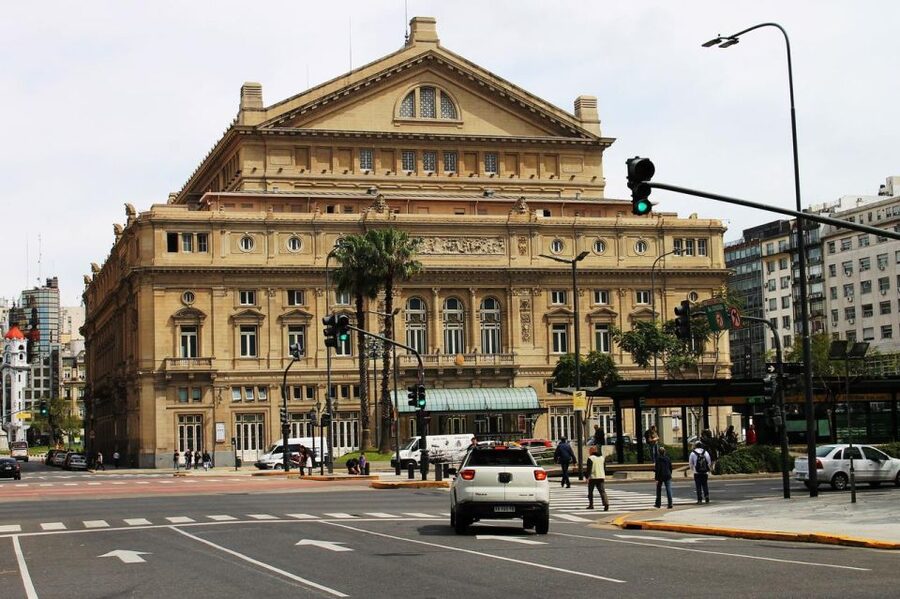
From the bus, you can see the Obelisk, the Colón Theatre, and Corrientes Avenue. Corrientes is known for its theaters, restaurants, and late-night energy. The tour may not give you time to enter the theater or stop for a meal, but the guide helps explain why this avenue matters to city life.
The panoramic view is useful here. You can take in the broad avenues and major landmarks without searching for each one on foot. If the Obelisk is your final drop-off, you are left in a central area with easy access to more independent exploring, though the exact arrangements depend on the option you book.
Monserrat and Plaza de Mayo: the city’s political center
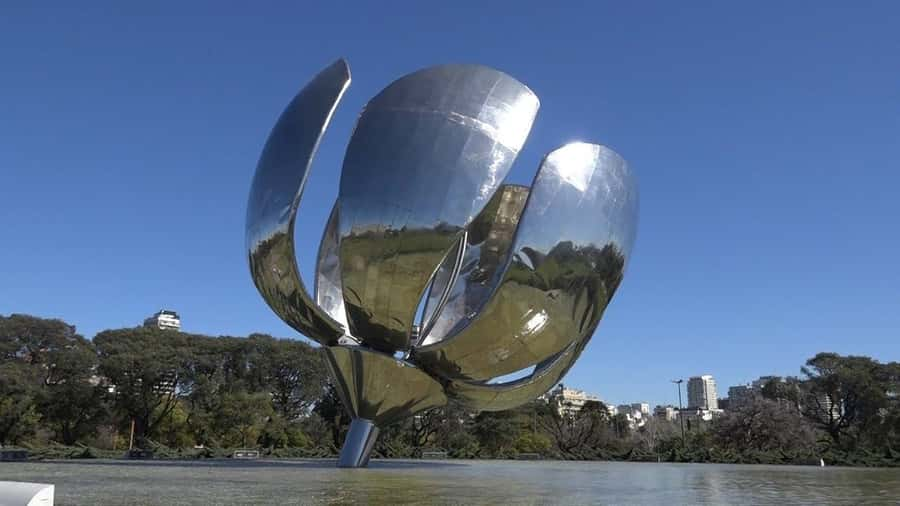
Monserrat is Buenos Aires’s oldest neighborhood, linked to the first Spanish settlers. It is also where the tour becomes most useful for understanding Argentina’s public history.
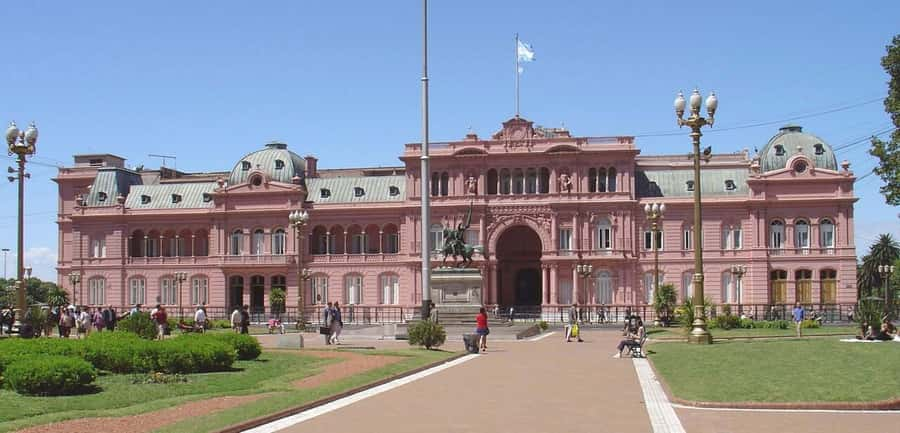
The route includes Plaza de Mayo, the Cabildo, Casa Rosada, the Metropolitan Cathedral, and Avenida de Mayo. Plaza de Mayo is the main photo stop, with about 30 minutes for the group. That is enough time to take pictures and get a closer look at the square, but not enough for a slow visit to every surrounding building.
Casa Rosada, the pink government house, is one of the square’s defining sights. The Cabildo offers a different reminder of the city’s colonial past, while the cathedral adds another important layer to the area. A guide can connect these buildings to the city’s political and religious life in a way that a quick drive past them cannot.
I recommend using this stop for orientation rather than trying to see everything. Listen to the guide first, then use your remaining time for photographs. Plaza de Mayo is likely to be one of the most information-heavy moments of the tour.
San Telmo, old streets and tango culture
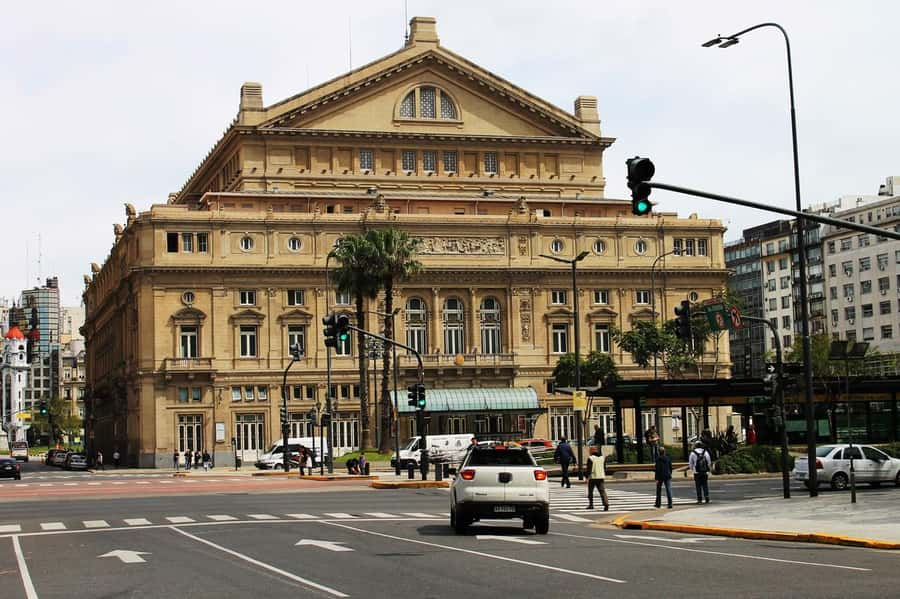
San Telmo is one of Buenos Aires’s oldest and most traditional areas. The route passes through the historic center, including Defensa Street and Lezama Park, and points out attractions such as Casa Mínima.
This is the part of the trip where you begin to see the city’s older street character. San Telmo is also linked with tango venues, known locally as tanguerías. The tour gives you an introduction to that side of the city, but it does not include a tango show or a dedicated walking visit.
I like having San Telmo included because it sits between the formal history of Monserrat and the immigrant story of La Boca. You get a quick sense of how Buenos Aires developed beyond its main government square.
A few more bus tours around the world worth a look
- Mt Fuji and Hakone 1-Day Bus Tour Return by Bullet Train
★ 5.0 · 26,383 reviews - Barcelona: 24 or 48-Hour Hop-On Hop-Off Bus Tour
★ 4.4 · 20,872 reviews - London: Warner Bros. Studio Harry Potter Tour & Branded Bus
★ 4.7 · 19,194 reviews - Amsterdam: Zaanse Schans, Edam, Volendam & Marken Bus Tour
★ 4.6 · 15,034 reviews
La Boca and the colors of Caminito
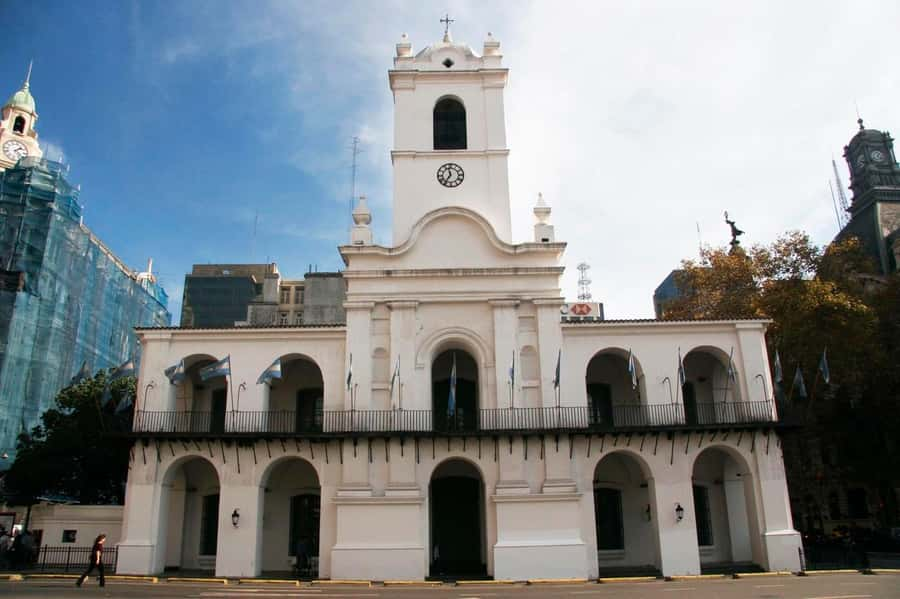
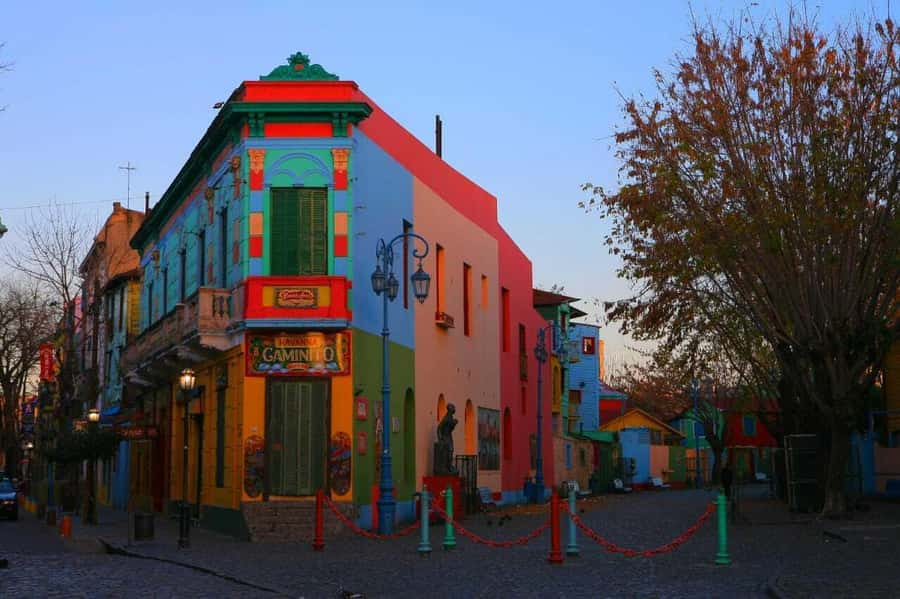
La Boca is the tour’s most distinctive stop. You get about 30 minutes at Caminito, a colorful pedestrian street known for its bright buildings, immigrant history, and connection to Boca Juniors football.
The neighborhood developed as immigrants settled near work opportunities. Many built homes from wood and sheet metal, using leftover paint from nearby shipyards. That practical detail helps explain why the area became so visually striking. The colors were not simply a decorative plan. They grew from the materials people could find.
Caminito is a photo stop, but it is also the place where you leave the bus and walk. The route includes the tenements and the football passion associated with Boca Juniors, giving you a glimpse of both the neighborhood’s social history and its modern identity.
Thirty minutes is enough for a focused look and photographs. It is not enough to wander far through La Boca, and the group must return on time. Keep your attention on the meeting instructions, since a coach cannot wait indefinitely for one person.
La Boca is also the point where the tour feels most different from the grand avenues of central Buenos Aires. The shift is quick, which is one reason this bus route is useful. You see the contrast without having to plan a separate half-day trip.
Puerto Madero, Buenos Aires’s modern face
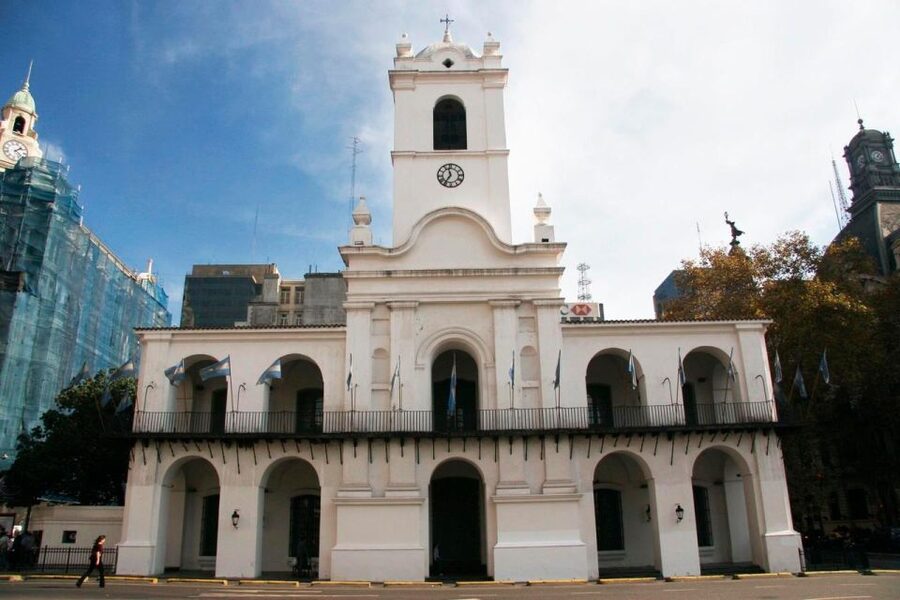
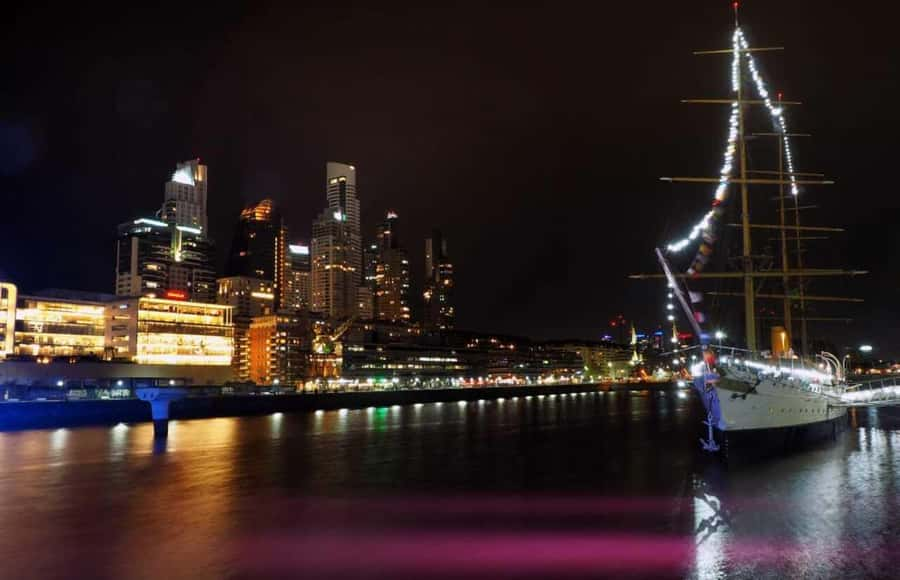
After the historic areas, the bus reaches Puerto Madero, one of the city’s newer districts. Its main sights include Puente de la Mujer, the Costanera Sur Ecological Reserve, and the Tango Monument.
Puerto Madero helps you see the city’s modern side. The district pays tribute to important women in Argentine history, and Puente de la Mujer is its best-known visual landmark. The tour is focused on views and commentary rather than a long stop, so you should not expect time to explore the ecological reserve.
This contrast between Puerto Madero and La Boca is one of the route’s strongest features. Within the same afternoon, you move from colorful immigrant homes and football culture to a newer urban district with contemporary architecture and public spaces.
Retiro and the immigrant gateway
Retiro has both a financial and residential role in Buenos Aires. It was also the arrival point for millions of immigrants during the nineteenth and twentieth centuries.
The bus route includes Plaza San Martín, Florida Street, the train station, and the Monumental Tower. These landmarks help explain why Retiro has long been important for movement, trade, and city life.
Florida Street is pedestrianized and known for shopping and central-city activity. Plaza San Martín offers a more open civic setting, while the station and Monumental Tower point to the neighborhood’s transport and immigrant connections.
You will mostly see Retiro from the bus, so keep your expectations realistic. The value here is in the guide’s explanation and the chance to connect several landmarks into one story. If Retiro interests you, mark it for a later independent walk.
Palermo, parks and city scale
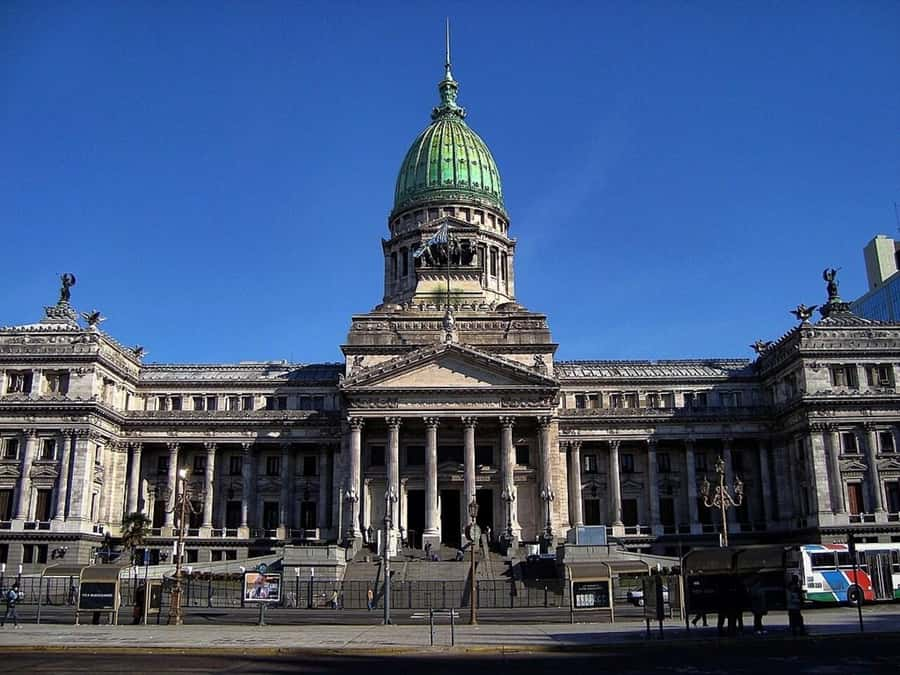
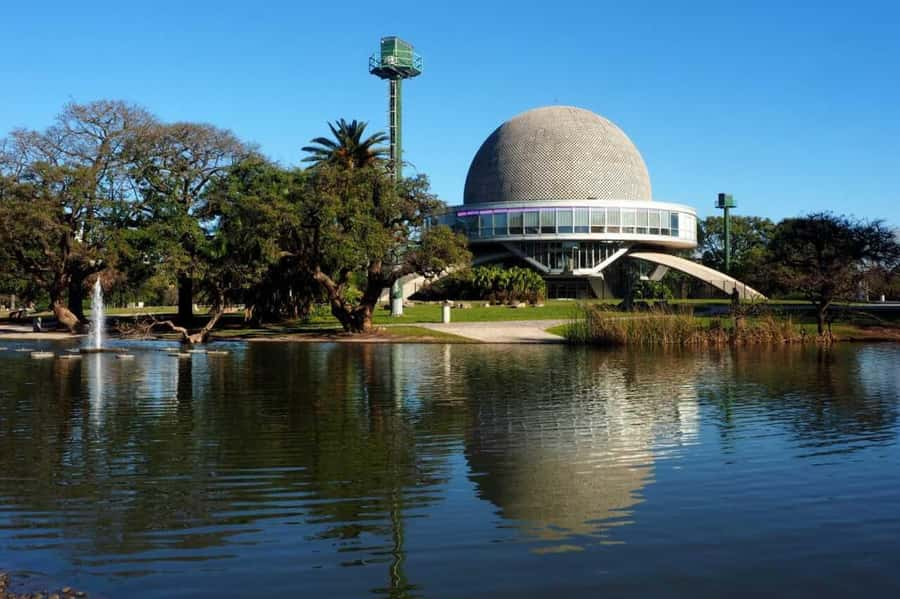
Palermo is the largest neighborhood on the route. The bus passes attractions including the Palermo Woods, Galileo Galilei Planetarium, Plaza Italia, the MALBA Latin American Art Museum, and the Hippodrome.
This section gives you a sense of Buenos Aires as a city of parks, museums, and wide urban spaces. It also shows why a bus is practical. Palermo covers a large area, and seeing several landmarks by road saves time compared with trying to walk between them.
The route does not include admission to MALBA or the Planetarium, and there is no separate museum visit. Still, the guide’s overview can help you decide if one of these places deserves a return visit.
I find Palermo especially useful for first-time visitors who have only seen the central districts. It adds a different rhythm to the tour and shows that Buenos Aires is more than colonial buildings, tango, and grand government avenues.
Recoleta and the famous cemetery
Recoleta is one of the city’s most elegant neighborhoods. The route includes views of Recoleta Cemetery, the National Museum of Fine Arts, Carlos Thays Park, and the well-known Law School.
Recoleta Cemetery is the headline sight. It is famous as the burial place of important Argentine figures, though this tour only provides a passing introduction rather than an interior visit. If you want to explore its elaborate tombs and pathways, plan a separate visit.
The National Museum of Fine Arts and Carlos Thays Park add an art and public-park angle to the neighborhood. The Law School provides one of the area’s notable architectural views.
Recoleta closes the city loop well. After seeing immigrant districts, historic squares, theater streets, and modern Puerto Madero, you finish with one of Buenos Aires’s most formal areas.
Timing, group size, and the bus format
The tour lasts about three hours, which is a sensible length for a city overview. It is long enough to cover the major districts without turning into an all-day commitment.
The weakness is the schedule. Only Plaza de Mayo and Caminito are listed as photo stops, and both offer about 30 minutes. At other locations, you should expect guided views from the bus rather than time to get out and wander.
A group of around 30 people is possible, so the pace depends on everyone returning when asked. That is not a problem if you treat the tour as a moving introduction. It can frustrate you if you want to linger over a photograph or browse a street at your own speed.
The bus is a good choice when walking long distances is difficult, but the experience is not suitable for people with mobility impairments according to the tour information. Check the pickup arrangement carefully as well. The local partner chooses the closest meeting location based on your hotel, and if your accommodation is outside the pickup area, you must use a designated meeting point.
Guide languages and what you should bring
Live guiding is available in English, Portuguese, and Spanish. That matters because the tour depends on commentary. Without the explanations, several stops would amount to little more than a drive past landmarks.
Bring a passport or identity card. A copy is accepted, so you do not necessarily need to carry the original document. Since the route includes two walking stops, bring only what you can manage comfortably and keep track of the time at Plaza de Mayo and Caminito.
The strongest praise for this experience focuses on the guide’s ability to introduce the neighborhoods and explain Buenos Aires’s history. That is the central reason to choose this tour. The bus is the tool, but the commentary is the product.
Is $55 a fair price?
At $55 per person, the tour is not the cheapest way to see Buenos Aires. You are paying for organized hotel or meeting-point pickup, a certified professional guide, bilingual or multilingual commentary, and a route that covers much of the city in three hours.
The value is strongest if you have limited time, are new to Buenos Aires, or want to avoid arranging transport between distant districts. It is also useful if you prefer a guided overview before choosing where to return independently.
The value is weaker if you already know the city or prefer to spend an hour in one neighborhood. A hop-on hop-off service may give you more control over your schedule, though it will not necessarily provide the same guided structure or planned photo stops.
The score of 4.8 from eight ratings suggests a generally strong experience, with guide quality praised most clearly. The lower assessment focused on the strict timing and the need to wait for the full coach. That is a fair criticism, and you should factor it into your decision.
Who should book this experience?
I would recommend this tour to first-time visitors who want a citywide introduction without planning every transfer. It also suits you if you want to learn the basic history of Buenos Aires while seeing neighborhoods that would be hard to combine independently in only three hours.
It is a good fit for:
- People visiting Buenos Aires for a short stay
- Visitors who want an English, Portuguese, or Spanish-speaking guide
- Anyone interested in comparing historic and modern districts
- Couples and families who prefer organized transport
- You want a short orientation before exploring alone
I would be more cautious if your main goal is shopping, museum visits, cemetery exploration, or long walks in La Boca and San Telmo. The tour shows these areas, but it does not give you much free time in them.
My booking call
Book this panoramic bus tour if you want to get your bearings quickly and see the city’s major districts in one organized outing. The two 30-minute stops make Plaza de Mayo and Caminito more than passing views, while the bus route fills in the rest of the city.
Skip it if you need a flexible schedule or dislike moving with a group. For most first-time visitors, though, the broad coverage, clear neighborhood contrasts, and strong guide feedback make $55 a reasonable price for a first look at Buenos Aires.
FAQ
How long does the Buenos Aires Panoramic Bus Tour last?
The tour lasts approximately three hours.
What neighborhoods does the tour visit?
The route includes San Nicolás, Monserrat, San Telmo, La Boca, Puerto Madero, Retiro, Palermo, and Recoleta.
Where does the tour start?
The starting point depends on the option selected. After booking, the local partner determines the closest pickup location based on your hotel.
Does the tour include hotel pickup?
Hotel pickup or pickup from a meeting point is included. If your hotel is outside the pickup area, you need to select the meeting point option.
Which languages are available?
The live guide is available in English, Portuguese, and Spanish.
Where are the photo stops?
The planned photo stops are Plaza de Mayo in Monserrat and Caminito in La Boca.
How long are the photo stops?
The itinerary allows approximately 30 minutes at Plaza de Mayo and 30 minutes at Caminito.
Does the tour visit the inside of museums or monuments?
No specific interior visits are included. The tour provides guided views of places such as Recoleta Cemetery, the National Museum of Fine Arts, the Colón Theatre, and the Cabildo.
What should I bring?
Bring a passport or identity card. A copy is accepted.
Is the tour suitable for people with mobility impairments?
The tour is not suitable for people with mobility impairments according to the activity information.
Just added around the world
- London Panoramic Open Top Bus Tour with Audio Guide★ 4.0 · 209 reviews
- Paris by Rail – Sightseeing Bus and Eiffel Tower Champagne Lunch★ 4.0 · 18 reviews
- London Vintage Bus Tour with Cream Tea at Harrods★ 4.0 · 145 reviews
- London’s Family-friendly Routemaster Bus Tour with Live Guide★ 5.0 · 18 reviews
- London Tour Hop-on Hop-off Bus with Optional Thames River cruise★ 3.5 · 39 reviews
- London Vintage Bus Tour Including River Thames Cruise with Optional Lunch★ 4.0 · 286 reviews
- Christmas Lights Open-Top Bus Tour★ 4.0 · 31 reviews
- Christmas Lights Tour by Vintage Bus in London★ 5.0 · 2 reviews
Sightseeing Bus Tours, compared.
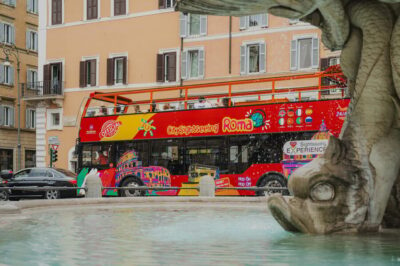
City Sightseeing Hop-on Hop-off Bus with Audioguide
Read our review →

Big Bus Hop-on, Hop-off Open-Top Sightseeing Tour
Read our review →
City Sightseeing London Hop-On Hop-Off Bus & Bookable Extras
Read our review →
City Sightseeing HOHO Bus Tour + Sunset & Night Tour
Read our review →