
Review · VIETNAM
From Hanoi: 2-Day Sapa Limo Bus Tour & Fansipan Peak Visit
Sapa rewards an early start. This two-day trip combines a scenic bus ride from Hanoi, a guided walk through mountain villages, and a cable car ride to Fansipan, Vietnam’s highest peak. I especially like the chance to meet a local guide such as Song, SuSu, or Than, and the easy hotel-to-cable-car transfer on the second day. The main trade-off is a packed schedule, with roughly six hours of road travel each way and only one night in Sapa.
The village walk gives you more than a quick viewpoint stop. You cross rice terraces, follow the Muong Hoa Stream, and learn about Black Hmong life from a local guide. The Fansipan visit is also memorable, but weather matters: fog and rain can hide the views, and the extra $35 cable car ticket is not included.
Key points to know before booking
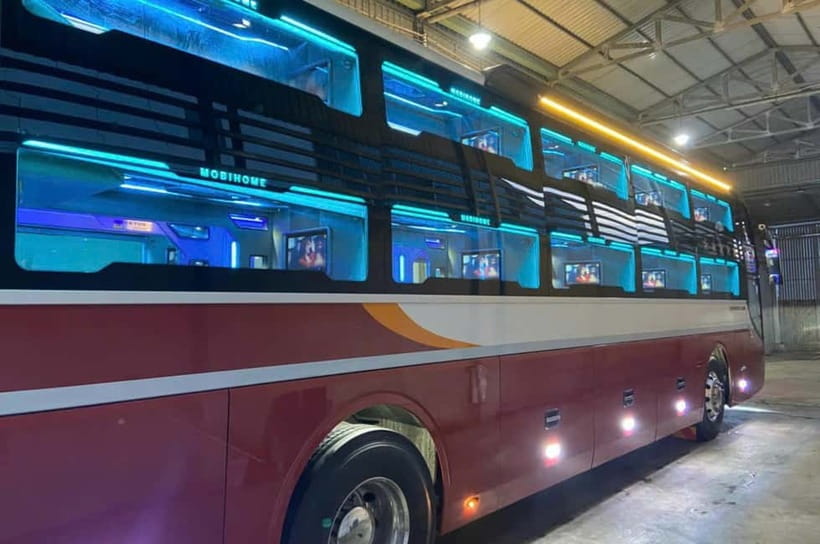
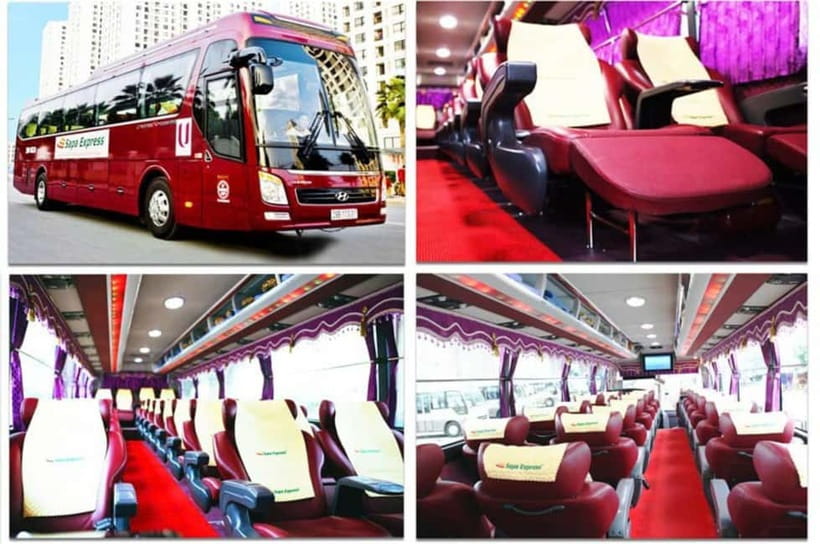
- The trip uses a limousine or sleeper bus: Comfort varies by vehicle, and some buses have narrow sleeping berths with no onboard toilet.
- The village walk lasts about two and a half to three hours: Routes may include Lao Chai and Ta Van, while some departures visit Cat Cat Village instead.
- Fansipan takes about 20 to 25 minutes by cable car: You can walk the final 600 steps or use a monorail.
- The local guides are a major strength: Guides including Song, SuSu, Than, and Lô have been praised for their warmth and cultural explanations.
- The cable car ticket costs $35 per person extra: You pay on arrival, and holiday surcharges may also apply.
- Weather can change the whole experience: At 3,400 meters, the summit may be cold, windy, wet, or hidden in cloud.
Why this short Sapa trip works
This is a useful package if you want to see Sapa without arranging several separate bookings. Transport from Hanoi, a hotel room, meals, a village guide, local transfers, and the Fansipan station connection are grouped together. You still have some free time in Sapa, but the plan keeps you moving.
The experience is strongest for first-time visitors who want a taste of northern Vietnam’s mountain culture and scenery. It is not a slow village stay. You arrive in Sapa around lunchtime on the first day, walk in the afternoon, visit Fansipan the next morning, then return to Hanoi.
That tight timing is both the appeal and the weakness. You can fit Sapa into a short Vietnam trip, but you will not have much spare time for weather delays, long café stops, or a second village walk. If you have three or more days, adding another night would make the visit less rushed.
More Bus Day Trips in Hanoi
- Ninh Binh Day Trip: Bai Dinh-Trang An-Mua Cave, Buffet, Boat, Bus
★ 5.0 · 1,183 reviews - 2-Day Trekking Adventure of Sapa from Hanoi with Night Bus
★ 5.0 · 134 reviews - From Hanoi: 2-Day Sapa-Fansipan Peak & Trek & Ha Giang Bus
★ 4.8 · 52 reviews
The six-hour ride from Hanoi to Sapa
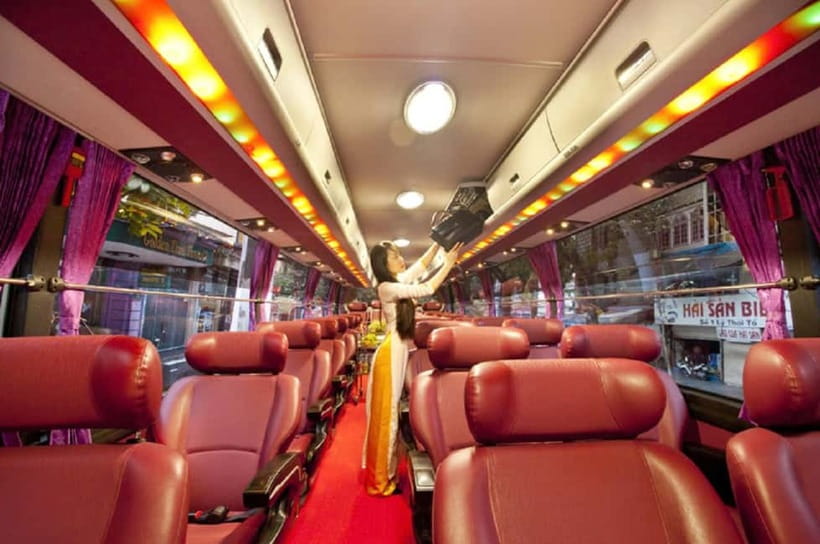
The road journey begins early in Hanoi. Depending on the option booked, you travel in a limousine bus or sleeper bus, with short stops in Phu Tho Province and Lao Cai city. The full ride takes about six hours.
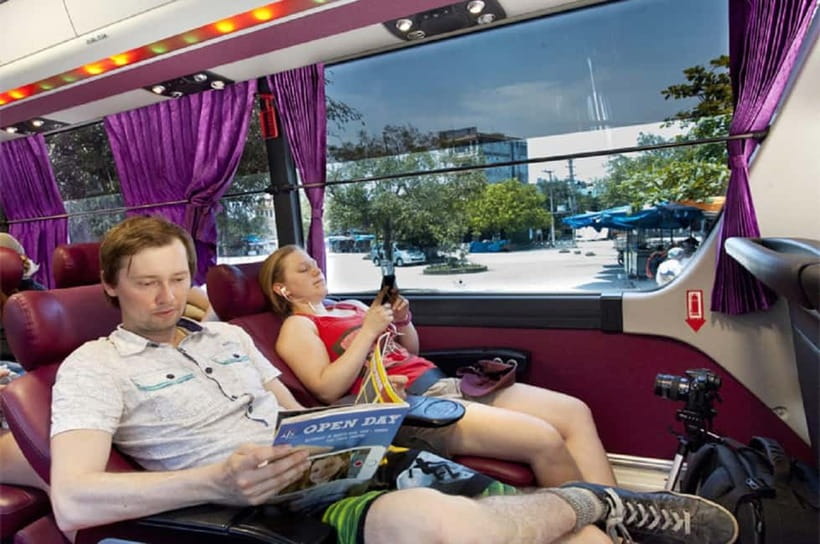
The better sleeper buses have individual cabins where you can lie down. This was a favorite feature for families and adults who wanted to rest, though taller or larger passengers may find the sleeping spaces tight. One important detail: the bus may not have a toilet. Carry small Vietnamese notes for roadside toilets, since a fee may be charged.
Vehicle quality is not completely consistent. Some departures use modern, comfortable buses, while others may involve an older or less clean vehicle. The return journey can also include a bus change, so pay close attention to instructions from the local coordinator.
I would keep your day bag with you and place larger luggage in the bus trunk. In Sapa, luggage can be stored at the hotel while you walk. Bring water, medication, a light jacket, and any valuables you need during the day.
Lunch and your first look at Sapa
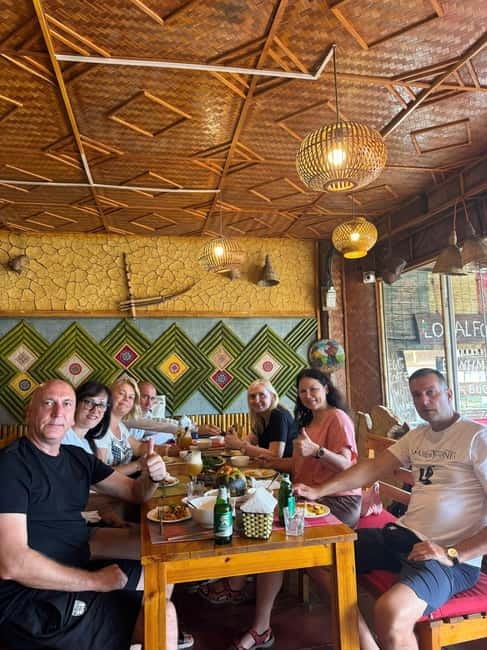
Once you reach Sapa, a local representative meets you and takes you to lunch. The meals include local Vietnamese dishes, with lunch and dinner on day one, then breakfast and lunch on day two.
Food is one area where expectations should stay modest. Several people found the meals good and filling, while others found the set menus ordinary or disappointing. You do not choose every dish, so anyone with strong food preferences should bring snacks and tell the organizer about dietary needs in advance.
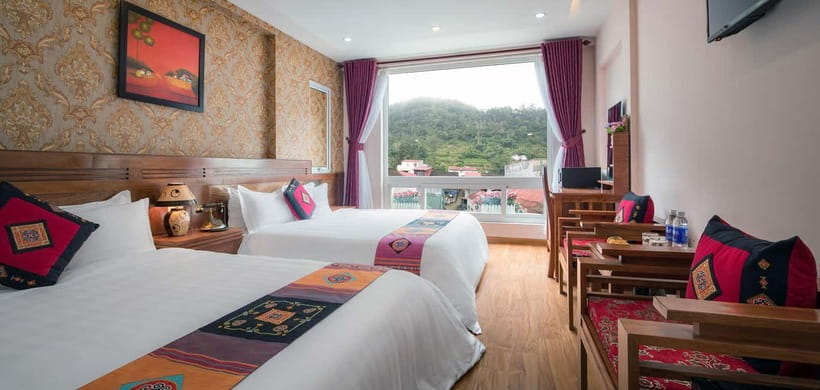
The hotel is usually a three-star property with a twin or double room. Accommodation feedback ranges from clean, spacious, and well located to basic and poorly maintained. Some people stayed at places such as The View Sapa Hotel or Chapa Dew, but the exact hotel can vary.
Location matters more than luxury here. A hotel near the market or town center lets you walk out during your free time. Some rooms have been praised for space and even a swimming pool, while others have had patchy internet, awkward showers, or missing toiletries. Think of the room as a practical overnight base, not the main event.
Walking through the mountain villages
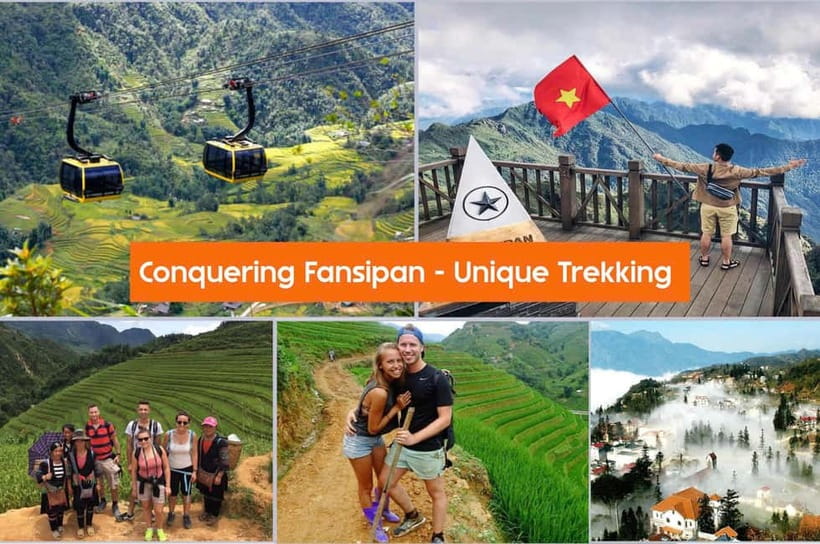
The afternoon walk is the heart of the trip. The route described for this departure goes through rice terraces and along the Muong Hoa Stream to Lao Chai, a Black Hmong village surrounded by the Hoang Lien Son Mountains. The walk generally takes about two and a half to three hours at an easy pace, with regular pauses for photos and explanations.
The word trekking may sound more demanding than it is. Much of the route is a village walk, though you should still expect uneven ground, steps, and some uphill or downhill sections. One route through Cat Cat Village includes many steps down and then back up. Another route can feel more like a walk through streets, shops, and village paths than a wilderness hike.
The route can vary. Although Lao Chai and Ta Van are named in the main plan, several departures have included Cat Cat Village instead. Confirm your route before leaving Hanoi if one particular village matters to you.
What makes the walk worthwhile is the guide. Song, SuSu, Than, and Lô have all been praised for clear English, patience, and personal knowledge of local life. A local Hmong guide can explain weaving, homes, work, clothing, and family traditions in a way a city guide cannot.
You may also have time to rent traditional clothing for photos. One person paid 50,000 Vietnamese dong for costume rental near Cat Cat. Treat the visit as a chance to learn as well as take pictures, since the villages are working communities rather than just scenic backdrops.
At the end of the walk, a car returns you to the hotel for dinner. This is a welcome arrangement, especially if your legs are tired or the weather turns wet.
More Bus Day Trips in Vietnam
- From Hanoi: 1-day Sapa Trekking Tour With Overnight Bus
★ 4.2 · 32 reviews - Vietnam Day Trips All-Inclusive, Bus, Guide, Meals & Activities
★ 4.5 · 8 reviews - 2-Day Trekking in Sa Pa from Ha Noi by sleeping bus
★ 5.0 · 4 reviews - Hanoi to Fansipan Peak 2-Day Bus Tour plus Lodging, Meals, and Pickup
★ 3.5 · 2 reviews
Free time in Sapa town
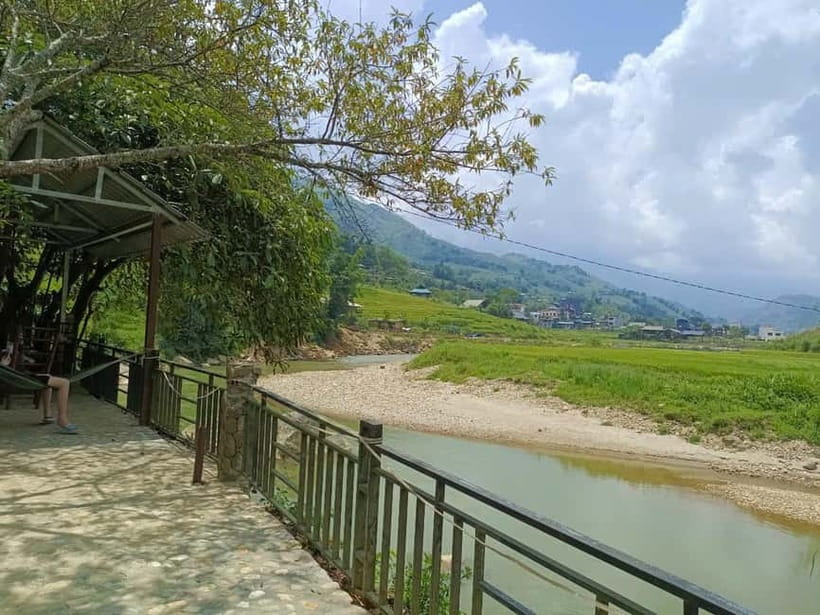
The schedule gives you some free time in Sapa, though the exact amount depends on arrival, walking pace, and transport. You can explore near the market, look for a café by the lake, or arrange a separate spa visit.
The town is a useful contrast to the villages. It is busier, more commercial, and easier for snacks, drinks, and small purchases. You should still carry Vietnamese dong because banking services in Sapa may not work reliably. U.S. dollars, euros, and Australian dollars are also accepted in Sapa, but local currency is simpler for small payments.
Do not expect a long evening of exploration if you are tired from the bus and village walk. The next morning begins with breakfast and a transfer to Fansipan.
Taking the cable car to Fansipan Peak
After breakfast, your driver takes you to the cable car station and helps you buy the ticket. The return cable car fare is not included in the tour price. The listed cost is $35 per person, paid on arrival.
The ride takes about 20 minutes, with some departures reporting closer to 25 minutes. From the cabin, you can see the mountains and valleys below when the weather is clear. For many people, the ride itself is one of the most impressive parts of the trip.
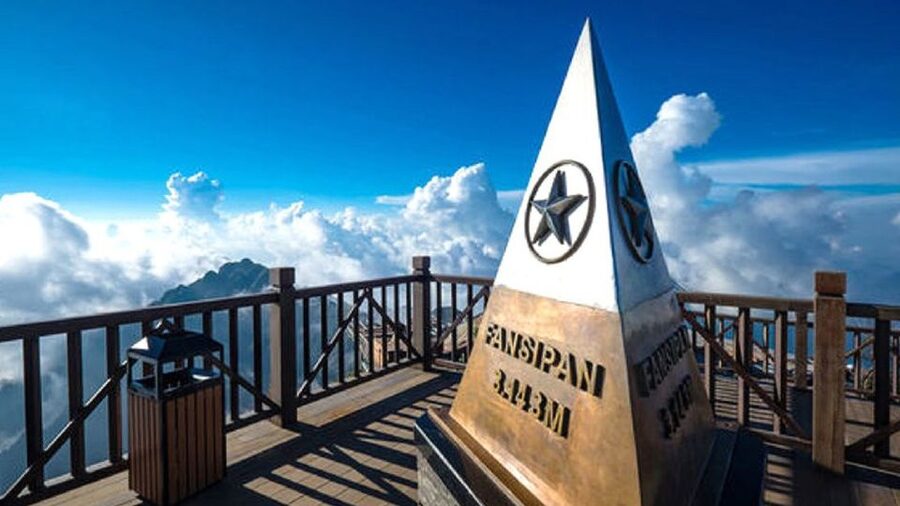
At the upper station, you can visit the pagoda and temple area, then climb about 600 steps to the summit. Fansipan reaches roughly 3,400 meters and is known as the Roof of Indochina. The altitude can make you feel light-headed, especially if you rush the stairs.
You do not have to walk every step. A monorail can take you closer to the top, which is useful if you have weak knees or simply want to save energy. Bring a jacket even on a warm day in Hanoi. The summit can be cold, windy, and damp.
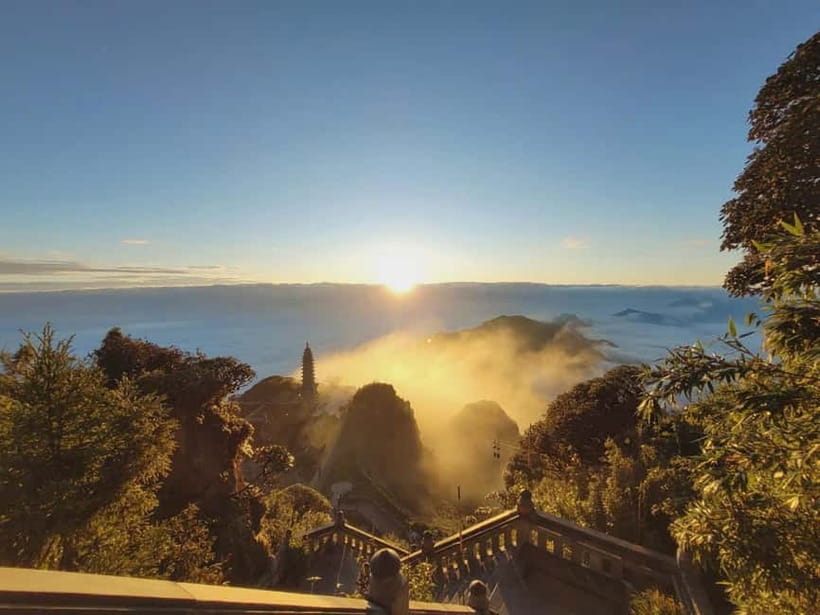
Weather is the great uncertainty. On clear days, the cable car provides sweeping mountain views, and rising above the clouds can be unforgettable. On other days, fog blocks the scenery and rain makes the stairs slippery. The temple, statues, cloud, and wind still make the visit atmospheric, but you should not book this trip only for a guaranteed summit panorama.
One departure had to replace Fansipan with the Glass Bridge because of maintenance. That kind of change is possible when the mountain facilities are closed, so check the conditions if Fansipan is the main reason you are going.
Returning to Sapa and Hanoi
After Fansipan, the transfer takes you back to the hotel for lunch. You then have some time in Sapa before boarding the bus to Hanoi.
The return transport may be more comfortable than the outward journey, especially if you receive a newer sleeper bus with private cabins. Still, allow for stops and possible confusion during a vehicle change. Some drivers speak little English, so keep your phone charged and save the coordinator’s WhatsApp, Line, Viber, or KakaoTalk contact.
The organizer may check in by messaging during the trip. That can be helpful when you are moving between buses, the hotel, the village, and the cable car station. Even so, do not assume every transfer will be explained in perfect English. Stay with your group and confirm the next meeting point before walking away.
The tour ends back at the meeting point in Hanoi. The return arrival can be late, and one departure left part of the group waiting while other passengers were taken to hotels. If you are staying far from the meeting point, keep a little flexibility for the final transfer.
What the price includes, and what it does not
The package includes:
- Round-trip Hanoi to Sapa bus travel
- One night in a twin or double room at a three-star hotel
- Two lunches, one dinner, and one breakfast
- Entrance to the village area
- A local English-speaking village guide
- A car back to the hotel after the walk
- Transfers between the hotel and Fansipan cable car station
The main extra is the $35 return cable car ticket. Holiday surcharges of 700,000 Vietnamese dong per person apply on the listed dates, including April 30, May 1, September 1 to 3, December 24 and 31, and January 1, 2026.
The value is strongest if you would otherwise pay separately for transport, a hotel, meals, and a local guide. Several people felt the package cost less than arranging each part alone. The value drops if you want a high-end hotel, flexible restaurant choices, or a private guide throughout the entire journey.
Who should book this Sapa experience?
I would choose this tour if you have only two days, want practical arrangements, and like a mix of scenery, culture, and a major mountain attraction. It suits first-time visitors, couples, families comfortable with sleeper buses, and anyone who prefers having a local contact in Sapa.
You should think twice if you dislike long bus journeys, need a roomy sleeping berth, or want a serious multi-day hike. The village walk is manageable for many people, but it is not completely flat. The 600 steps at Fansipan can also be tiring.
Pack trekking shoes, sunglasses, sunscreen, insect repellent, a warm layer, and any medication you need. Bring cash in Vietnamese dong, and keep your phone number active on WhatsApp or another messaging service so the local supplier can reach you.
FAQ
How long is the bus journey from Hanoi to Sapa?
The journey takes about six hours each way, with short stops in Phu Tho Province and Lao Cai city.
Is the bus a limousine bus or a sleeper bus?
Transport depends on the option booked. The experience uses limousine or sleeper-style buses, and some upgrades include individual sleeper cabins.
Is there a toilet on the bus?
The bus may not have an onboard toilet. Stops are made during the journey, and you may need small Vietnamese notes to pay for roadside toilets.
Which villages does the walking tour visit?
The planned route visits Lao Chai and Ta Van, with a walk through rice terraces and along the Muong Hoa Stream. Some departures have instead visited Cat Cat Village, so confirm the route before departure.
How difficult is the village walk?
The walk generally lasts about two and a half to three hours at a relaxed pace. It can include uneven paths, steps, and hills, while some Cat Cat routes have many steps down and up.
Is the Fansipan cable car included?
No. The return cable car ticket costs $35 per person and is paid on arrival.
How long does the cable car ride take?
The ride to Fansipan takes about 20 minutes, with some experiences taking closer to 25 minutes.
Do I have to climb all 600 steps to the summit?
No. You can use a monorail toward the top if you do not want to walk all the steps.
What should I bring?
Bring trekking shoes, sunglasses, sunscreen, insect repellent, needed medication, cash in Vietnamese dong, and a warm jacket for Fansipan. A phone number for WhatsApp, Line, Viber, or KakaoTalk is also useful for tour updates.
Should you book it?
Book this trip if you want a well-organized introduction to Sapa and accept a long bus ride in exchange for convenience. The best parts are the local guide, the mountain villages, the cable car, and the chance to rise above the clouds at Fansipan.
Skip it if you need a leisurely Sapa stay or demand consistent hotel and bus quality. For most first-time visitors with limited time, though, the combination of village culture and Fansipan gives you a strong taste of northern Vietnam in only two days.
More 2-Day Experiences in Hanoi
- Sapa Trekking Tour 2 Days 1 Night By Bus
★ 5.0 · 86 reviews - Sapa trekking 2days by bus from Hanoi ( over night in homestay)
★ 5.0 · 21 reviews - Sapa 2D1N All Included (Bus & Homestay)
★ 4.5 · 8 reviews - From Hanoi: Sapa 2D1N Homestay overnight by Morning bus
★ 4.8 · 8 reviews
More Party Bus Tours in Hanoi
- From Hanoi: 2D1N Ha Long Bay Deluxe Cruise with Bus Limousine
★ 5.0 · 185 reviews - Morning Eco Sapa Bus limousine D-car 8-seat depart from Hanoi Old Quarter
★ 3.0 · 8 reviews - Luxury Bus Limousine Hanoi to Sapa and Sapa to Hanoi
★ 3.5 · 8 reviews - Istanbul Party Pub Crawl with Party Bus in Sultanahmet and Taksim
★ 5.0 · 1,882 reviews
Just added around Hanoi
- Vietnam Day Trips All-Inclusive, Bus, Guide, Meals & Activities★ 4.5 · 8 reviews
- Sapa trekking 2days by bus from Hanoi ( over night in homestay)★ 5.0 · 21 reviews
- 2-Day Trekking in Sa Pa from Ha Noi by sleeping bus★ 5.0 · 4 reviews
- Sapa 3-day Discovery Package Tour By Bus with 1 Night Homestay 1 Night Hotel★ 3.5 · 3 reviews
- From Hanoi: 2D1N Ha Long Bay Deluxe Cruise with Bus Limousine★ 5.0 · 185 reviews
- Sleeping bus Ninh Binh to Hue★ 4.0 · 5 reviews
- Sapa Hard Trekking by Bus for 2 days★ 5.0 · 3 reviews
- Sapa Trekking Tour 2 Days 1 Night By Bus★ 5.0 · 86 reviews
Party Bus & Pub Crawl Tours, compared.

Istanbul Party Pub Crawl with Party Bus in Sultanahmet and Taksim
Read our review →
Nashville’s Wildest Honky Tonk Public Party Bus (21+)
Read our review →
Aruba Nightlife and Barhopping on Chogogo Party Bus
Read our review →




Browse the lists this tour appears in