

Review · USA
Half Day City Bus Tour, Aiken Rhett House And Charleston Museum
Charleston’s past comes alive in small, telling details. This half-day tour pairs a city bus look at the historic district with two carefully chosen museums, giving you a broad introduction without asking you to spend a full day on your feet. I like the Aiken-Rhett House, where worn steps and preserved service areas make the antebellum era feel close and human. I also like the Charleston Museum, with collections reaching back to its founding in 1773.
The main consideration is time. You get about 45 minutes at each museum, so this is an introduction rather than a slow, detailed visit. The tour also depends on good weather, and its average group size can reach 18 people. Still, the friendly, clear guiding style praised in the feedback, especially from guide Kim, gives this outing a strong human touch.
Key points to know before booking
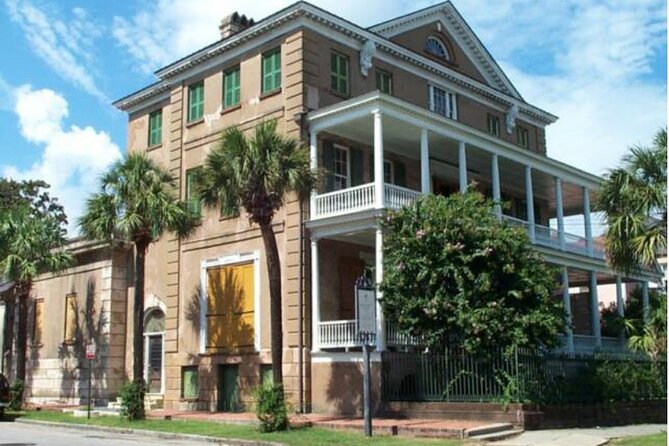
- Aiken-Rhett House dates to 1820, with the main house, grounds, kitchens, and other dependencies included.
- The Charleston Museum began collecting in 1773, making it America’s first museum.
- Each museum visit lasts about 45 minutes, enough for a focused look but not every gallery.
- The tour begins and ends at the Charleston Visitor Center, a practical central meeting point.
- Groups are capped at 18 people, keeping the outing smaller than a large coach tour.
- The price is $65 per person, including admission to both museums and the guided city portion.
Why this half-day format works in Charleston
Charleston can be confusing on a first visit. Its historic district is compact, but the stories are spread across grand houses, side streets, public buildings, and museums. A short city bus tour helps you get your bearings before you spend time inside two important sites.
I like this combination because the three parts serve different purposes. The city portion gives you a broad sense of Charleston’s historic center. The Aiken-Rhett House gives you one preserved household, including the spaces where enslaved people worked and lived. The Charleston Museum then widens the frame with galleries devoted to the city and its past.
That balance matters. A house museum can show you architecture and domestic life, but it cannot explain every period of Charleston’s development. A museum can give you objects and broader context, but it may feel less personal. Together, the sites help you connect a place with the people who shaped it.
The tour lasts about four and a half hours. That makes it a useful choice if you have only part of a day available, or if you want a structured introduction before exploring Charleston on your own. You should not expect every corner of the historic district or a leisurely museum visit. You should expect a focused first look.
More Museum Visits in the USA:
- St. Augustine: Hop-on Hop-off Trolley Tour with Museum Entry
★ 4.6 · 970 reviews - City Bus Tour with Charleston Museum Admission
★ 4.5 · 174 reviews - Las Vegas: Neon Museum Night Experience and Open-Top Bus Tour
★ 4.0 · 57 reviews
Starting at the Charleston Visitor Center
The tour begins at the Charleston Visitor Center at 375 Meeting Street. It also returns there at the end, which keeps the outing simple for anyone staying near the central historic district or using public transportation.
This is a sensible meeting point. You do not need to find a private house or a tucked-away street corner. Confirmation arrives at booking, and the activity is offered in English.
The city portion is described as a bus tour through Charleston’s historic district. The supplied details do not provide a fixed street-by-street route, so I would treat this part as an overview rather than a sightseeing checklist. You are there to see the setting for the city’s story, from grand antebellum homes to narrower lanes and less obvious corners.
That broad view is useful early in a Charleston visit. It can help you understand how the museums fit into the larger city and can point you toward areas you may want to explore later on foot.
A bus also gives your legs a break before the two museum visits. This matters in a city where even short distances can add up, especially during warm weather. The tradeoff is that you will have less control over where you stop than you would on a private walking tour.
The Aiken-Rhett House and its preserved working spaces
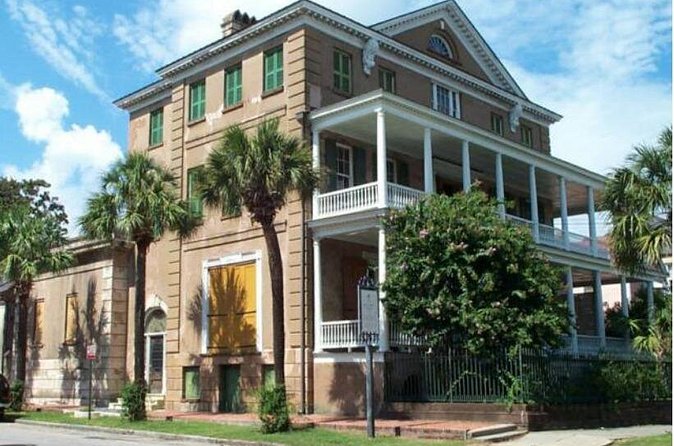
The first major stop is the Aiken-Rhett House Museum, built in 1820. Your admission includes the house, grounds, and dependencies, so the visit is not limited to the formal rooms of the main residence.
The house offers a look at Charleston during the antebellum period, but its value comes from more than elegant architecture. You also see the spaces that supported the household. That broader view helps you understand how a wealthy home operated and who carried out the work.
One of the most affecting details is the well-worn stairway from the kitchen to the enslaved quarters. The physical wear on those steps gives the site a direct quality that polished rooms cannot provide. This is one of the strongest reasons to include the Aiken-Rhett House in a first Charleston visit. It places the lives and labor of enslaved people within the same story as the home’s wealth and style.
You should approach this stop with time for reflection. The 45-minute visit is enough to introduce the house and its dependencies, but it may feel short if you want to read every sign or examine every room closely. If you enjoy historic homes, you may wish for more time. If you prefer a clear, guided overview, the pace should feel manageable.
The preserved condition is also part of the appeal. Rather than presenting only a restored version of a grand residence, the house invites you to notice age, use, and the contrast between public rooms and working areas. I find that kind of evidence more useful than decoration alone.
The Aiken-Rhett House is especially suited to you if architecture, social history, and the realities of domestic labor interest you. It may be less satisfying if you want a long, leisurely tour centered only on furniture and fine rooms.
The Charleston Museum and its long collecting tradition
The second museum stop is the Charleston Museum. Its collection began in 1773, and it is recognized as America’s first museum. That fact gives the visit unusual weight, but the practical value is even simpler: the museum offers a broad way to place Charleston’s story in context.
The museum includes permanent and temporary galleries. In 45 minutes, you can get a useful introduction to its range, but you will not have enough time to study everything. I would focus on the galleries and objects that best help you understand Charleston, then return independently if the museum catches your interest.
This stop balances the Aiken-Rhett House nicely. The house narrows your attention to one property and its people. The museum expands it again, giving you a larger view of the city and its past. That contrast keeps the half-day schedule from feeling repetitive.
The museum was singled out as a particularly strong part of the outing, described as a jewel by one participant. That praise makes sense for visitors who want more than exterior sightseeing. The galleries give you a place to examine objects and information at your own pace, even within a limited group schedule.
The 45-minute limit is the main drawback. Museums reward slow looking, and this visit is only long enough for a first pass. If you already know you want to spend serious time with the collection, plan to return on another day rather than trying to see everything during this tour.
A few more bus tours around the USA worth a look
- Grand Canyon West Bus Tour with Hoover Dam and Optional Skywalk
★ 4.0 · 7,224 reviews - New York: Hop-on Hop-off Sightseeing Tour by Open-top Bus
★ 4.2 · 5,863 reviews - Muir Woods and Sausalito (Return by Bus or Ferry)
★ 4.5 · 5,098 reviews - New Orleans City Sightseeing Hop-On Hop-Off Bus Tour
★ 4.5 · 4,943 reviews
A guide who adds more than directions
The guide can make or break a city tour, and the feedback here is notably positive. Kim was praised for being informative, enthusiastic about the area, and able to present local history in a friendly, interesting way.
That matters because Charleston’s past includes beauty, wealth, conflict, and forced labor. A good guide needs to connect those subjects without turning the tour into a list of dates. The comments about Kim suggest a guide who brings personal energy to the material rather than simply reciting facts.
Another strong point is the guide’s role across the whole outing. The bus section can give you general orientation, while the two museums provide the physical evidence. A guide helps tie those parts together so they feel like one experience instead of three unrelated stops.
The group limit of 18 people is also useful. It is not a private tour, but it is smaller than a large sightseeing coach. You should have a better chance of hearing the guide and staying connected to the group. The exact feel will still depend on the day’s attendance and the guide’s style.
Because only English is offered, you should be comfortable following historical explanations in English. The tour is designed for most participants, and the supplied information does not list special physical restrictions. As with any outing involving a bus and historic buildings, you may want to confirm your own needs before booking if mobility is a concern.
What $65 includes, and where the value lies
The price is $65 per person. That fee includes the guided city bus tour and admission to both the Aiken-Rhett House Museum and the Charleston Museum.
I consider the price reasonable for a compact introduction because you are paying for three connected elements: transportation around the historic district, a guide, and two admissions. If you visited both museums separately, you would still need to arrange your own route and decide how to make sense of the city between stops.
The value is strongest for a first-time visitor with limited time. You receive a planned sequence and avoid spending part of your day working out which historic site to visit next. The guide’s local explanations are also important. Without them, the bus ride could feel like simple transportation between museums.
The value is weaker for you if you already know Charleston well, prefer to explore at your own pace, or want extended time inside museums. Independent visitors may prefer to pay for individual admissions and spread the visits across a full day.
At $65, this is not the cheapest way to see Charleston. It is a reasonable way to reduce planning and gain a guided introduction. Think of it as a foundation for further exploring, not as a complete study of the city.
Timing, weather, and group practicalities
The full activity lasts approximately four hours and 30 minutes. Each museum receives about 45 minutes, with the remaining time used for the city bus portion and movement between parts of the tour.
That schedule is compact but workable. You get enough time to understand each site without giving up an entire day. You should arrive ready to keep to the group’s pace, since a short guided visit cannot wait for every person to linger in every room.
The experience requires good weather. If poor weather causes a cancellation, you are offered a different date or a full refund. This is worth keeping in mind when planning a tight Charleston itinerary.
Free cancellation is available if you cancel at least 24 hours before the start time. Cancellations made less than 24 hours ahead are not refunded, and changes inside that window are not accepted. The cut-off uses Charleston’s local time.
Most people can participate, and the maximum group size is 18. The tour is offered in English and uses a mobile ticket. Those details make it easy to add to a broader Charleston plan, provided you keep the start and return point in mind.
Who should book this Charleston tour
I would recommend this tour to first-time visitors who want a structured half-day introduction. It is particularly useful if you have limited time, want both a house museum and a larger museum, or prefer a guide to connect the city’s major themes.
It also suits you if you like history presented through physical places. The Aiken-Rhett House gives you a close look at one household and its working spaces, while the Charleston Museum gives you a wider view. The contrast is more useful than visiting two similar historic homes.
Families and mixed-interest groups may also find the format practical. The bus portion breaks up the museum time, and neither museum visit lasts so long that the schedule becomes an all-day commitment. The available information does not provide a child-specific program, so families should not expect entertainment designed especially for young children.
You may want a different plan if you prefer long walks, independent exploration, or highly specialized history. A private guide would offer more flexibility. A full-day museum visit would offer more time with the collections. This tour is best at giving you a clear first look.
Should you book the Aiken-Rhett House and Charleston Museum tour?
Book it if you want Charleston’s historic district explained in a friendly, organized way, with two meaningful indoor stops included. The strongest reasons are the preserved working areas at the Aiken-Rhett House, the long collecting tradition of the Charleston Museum, and the positive impression created by guides such as Kim.
Skip it if 45 minutes feels too short for each museum or if you would rather set your own pace. For everyone else, $65 buys a practical introduction, a smaller group setting, two admissions, and a useful starting point for exploring Charleston on your own afterward.
FAQ
How long does the tour last?
The tour lasts approximately four hours and 30 minutes.
Where does the tour begin?
It begins at the Charleston Visitor Center, located at 375 Meeting Street in Charleston, South Carolina.
Where does the tour end?
The activity ends back at the Charleston Visitor Center.
How much does the tour cost?
The price is $65 per person.
Are museum admission fees included?
Yes. Admission to the Aiken-Rhett House Museum and the Charleston Museum is included.
How long do you spend at the Aiken-Rhett House?
The scheduled visit to the Aiken-Rhett House lasts about 45 minutes.
How long do you spend at the Charleston Museum?
The scheduled visit to the Charleston Museum lasts about 45 minutes.
What language is the tour offered in?
The tour is offered in English.
How large can the group be?
The activity has a maximum of 18 participants.
What happens if bad weather cancels the tour?
If poor weather causes a cancellation, you will be offered a different date or a full refund.
Just added around the USA
- Viator Exclusive: 10:15PM Las Vegas Night Tour by Open-Top Bus★ 4.0 · 103 reviews
- Sin City Party Bus Club Crawl★ 4.5 · 17 reviews
- Strip Club Crawl & Open Bar Party Bus – Las Vegas★ 3.5 · 40 reviews
- Private Party Bus Up to 30 People Vegas Nightclub Tour★ 3.0 · 4 reviews
- Skip-the-Line at Vegas Clubs with a Party Bus!★ 5.0 · 39 reviews
- Rockstar Pool Party Crawl w/ VIP Entry & Party Bus Ride★ 3.5 · 9 reviews
- Las Vegas Party Bus Club Crawl★ 4.0 · 76 reviews
- Party Bus Dayclub Crawl★ 4.0 · 9 reviews
Charleston Bus Tours, compared.


90-Minute Charleston City Sightseeing Bus Tour
Read our review →
Charleston See-It-All City Bus Tour with Adventure Sightseeing
Read our review →
Charleston: Historic City Highlights Guided Bus Tour
Read our review →
Sightseeing Bus Tour of Charleston with Adventure Sightseeing
Read our review →
Charleston: See it All City Tour with Adventure Sightseeing
Read our review →
90 Minute Sightseeing Bus Tour of Historic Charleston
Read our review →Browse the lists this tour appears in