
Review · SOUTH KOREA
Jeju: East of Jeju Island Bus Tour from Seogwipo City
Jeju’s eastern coast packs a lot into one day. This 570-minute trip links Seongeup Folk Village, Seongsan Ilchulbong, the Haenyeo Museum, Woljeong-ri Beach, and a volcanic cave, with guide Fabio adding useful context about Jeju’s people, customs, and past. I especially like the Seogwipo departure and the small-group format. You avoid a long transfer to Jeju City, and the route feels more personal than a large coach outing.
I also like the balance between famous sights and living culture, particularly the haenyeo, Jeju’s women sea workers. The main consideration is the pace: you cover a large part of eastern Jeju, and Seongsan Ilchulbong includes walking and stairs. Manjanggul Cave is temporarily closed until March 2026, so the actual stop may be Hamdeok Beach instead.
Key points before you book
- Starts in Seogwipo: Free pickup may be available from hotels in Seogwipo’s Old Town, with Casaloma Hotel serving as the central meeting point for other downtown stays.
- Fabio leads the day: He is praised for clear English, strong local knowledge, humor, punctuality, and practical help, including arranging taxis after the tour.
- Haenyeo culture gets real attention: You visit the Haenyeo Museum and may see women working at sea along the Jongdal-ri coast.
- Seongsan Ilchulbong is the major walk: The UNESCO-listed tuff cone brings wide coastal views, but expect stairs and exposed wind.
- Manjanggul is not currently guaranteed: The cave is closed because of falling rocks until March 2026, with Hamdeok Beach used as the alternative.
- Lunch costs extra: Your guide helps shape the day, but food and personal purchases are not included.
Why starting in Seogwipo makes a difference
Many Jeju sightseeing trips begin in Jeju City. This one begins in the island’s south, which is a real advantage if you have chosen Seogwipo as your base. Pickup is offered from hotels in Seogwipo’s Old Town when available, and Casaloma Hotel is the fallback meeting place for people staying outside the central pickup area.
The tour lasts about nine and a half hours. That sounds long, but eastern Jeju is spread out, and the driving is part of the experience. You move through villages, coastal roads, beaches, and volcanic sites rather than spending the whole day at one attraction.
The group is limited to 12 people, although the operator can use anything from a family-size van to a larger bus depending on the booking. The vehicle setup varies, so ask about the expected group and vehicle if space matters to you. Several visitors particularly appreciated clean, spacious vans and a relaxed driving schedule.
Fabio is the guide most often named in the feedback. His strengths are practical ones: he keeps the day moving, explains the island in clear English, answers questions, and adjusts timing when weather or group preferences call for it. That matters on Jeju, where wind can change plans quickly.
A few more bus tours around South Korea worth a look
- Jeju Island: Full-Day East Jeju Bus Tour with Entry Fees
★ 4.9 · 302 reviews - Jeju Island: Full-Day SouthWest Bus Tour with Entry Fees
★ 4.9 · 269 reviews - Jeju Island UNESCO Heritage Bus Tour
★ 5.0 · 54 reviews
Seongeup Folk Village: a useful cultural beginning
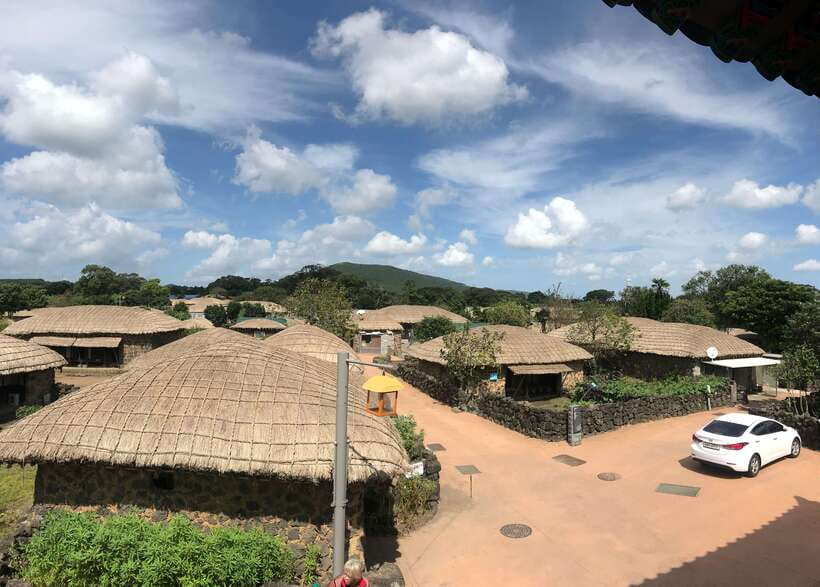
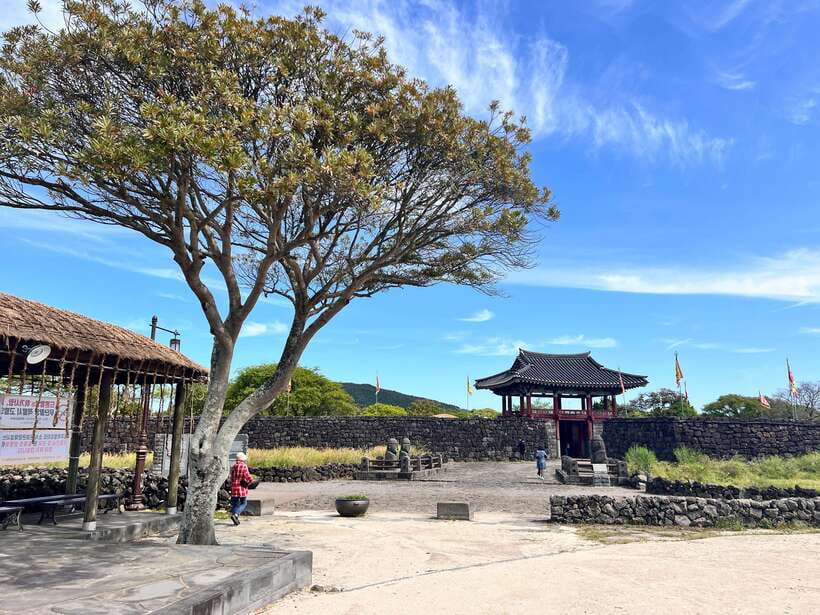
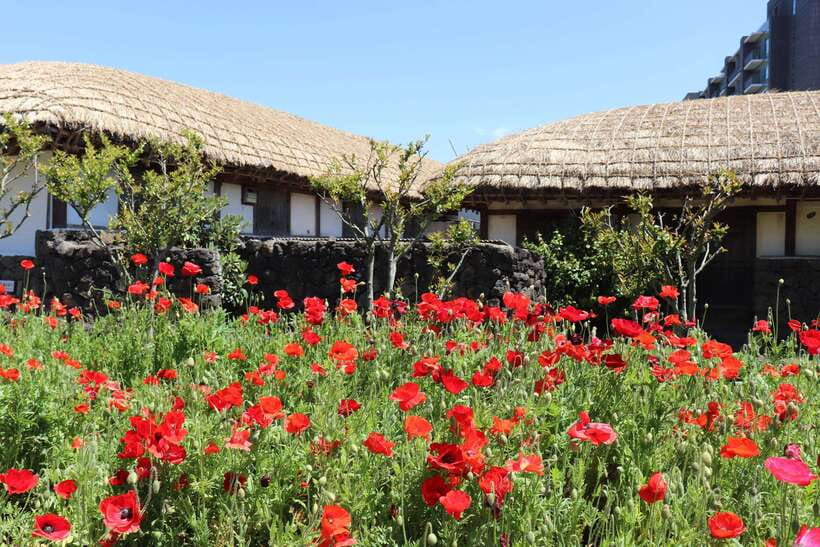
After roughly 50 minutes on the road, you reach Seongeup Folk Village for about 40 minutes. This is a good first stop because it introduces Jeju through its traditional settlements before the day turns toward coast and volcanoes.
The village still has a lived-in character. You can look at traditional houses and get a sense of how older Jeju communities were organized. Fabio’s explanations help connect the buildings with local customs and daily life, rather than leaving you to see only a collection of old structures.
Forty minutes is enough for an introduction, but not enough for a slow, detailed visit. I would treat this as a short orientation stop. If you want to study every lane or spend time shopping, this schedule will feel tight. Its value is the context it gives you for the rest of the day.
Seongsan Ilchulbong: Jeju’s great coastal walk
The next drive takes about 30 minutes and follows a scenic coastal route. Before reaching Seongsan Ilchulbong, the group stops at Gwangchigi Beach for an explanation of the famous peak.
That pause is useful. From the beach, you can understand the shape of Seongsan Ilchulbong before walking up toward it. The peak is a tuff cone formed by volcanic activity, and its position beside the sea makes it one of Jeju’s most striking natural sights.
You have about an hour here, including the guided walk. The route offers views shaped by wind and waves, with the coastline providing much of the drama. On a clear day, this is likely the visual high point of the trip.
Bring a wind jacket. Jeju is known for strong winds, and the open paths at Seongsan can feel much cooler than the temperature suggests. The walk also includes stairs, so comfortable shoes are important. One person described the day as involving a lot of walking and stair climbing, while also noting that Fabio could adjust activities to suit different abilities.
A haenyeo performance may take place near the end of the trail, but it is not guaranteed. Weather determines if the women can enter the water. If the performance is canceled, the day still includes a meaningful haenyeo stop later, and Fabio may spot working sea women from the coastal road.
Meeting the haenyeo at the museum and along the coast
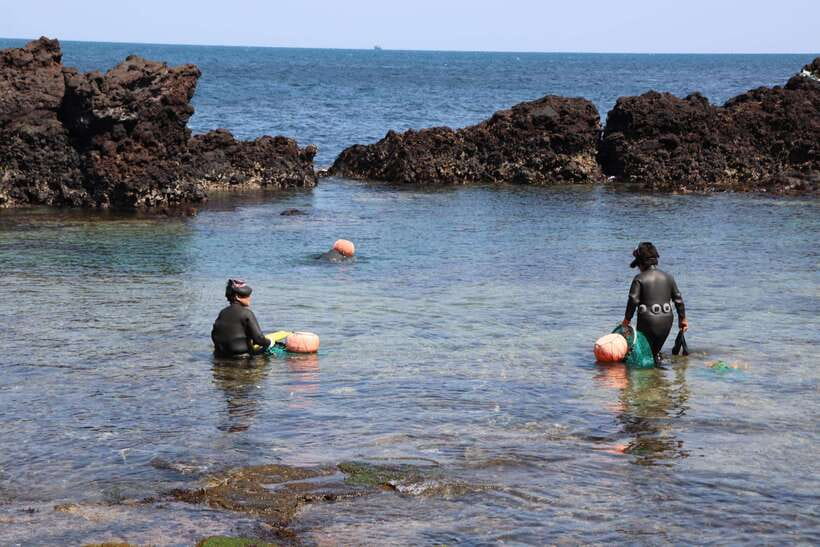
The road from Seongsan toward the Haenyeo Museum follows the Jongdal-ri coast. This is one of the more authentic parts of the day because the women divers are not presented only as a staged attraction. If conditions allow, you may see actual haenyeo at work from the roadside.
The Haenyeo Museum gets about 50 minutes. This gives the subject more depth than a brief performance could provide. You learn about the women’s work, community, customs, and place in Jeju culture. Haenyeo culture is recognized as an intangible cultural heritage of humanity, and the museum explains why.
I like this pairing of roadside observation and museum interpretation. Seeing women working at sea can be memorable, but the museum helps you understand the skill, danger, and social meaning behind what you are watching. It also protects the experience from becoming a quick photo stop.
The performance and roadside sightings are weather dependent. Do not book this trip solely for a guaranteed show. Book it for a wider look at Jeju’s coastal culture, with the chance of seeing the haenyeo in action.
Same place, a different way to ride:
- Seoul Hop-On Hop-Off Downtown Palace Course
★ 3.0 · 71 reviews - Jeju Southern: Mt.Hallasan and UNESCO Geopark Bus Tour
★ 4.9 · 40 reviews - Jeju EAST Course : UNESCO (Seongsan-ilchulbong) BUS TOUR
★ 4.9 · 26 reviews - Jeju: West of Jeju Island Bus Tour from Seogwipo City
★ 5.0 · 20 reviews
Woljeong-ri Beach: a short break with bright water
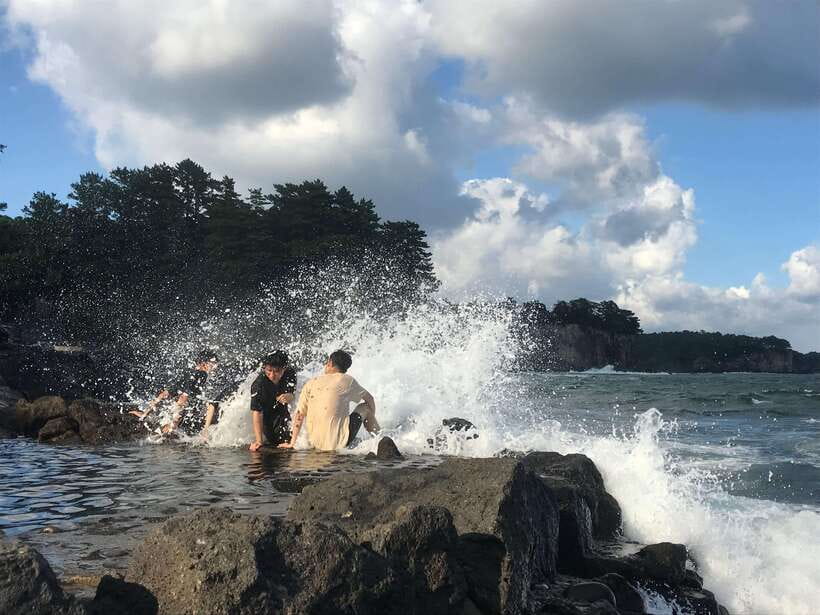
From the museum, the route continues toward Woljeong-ri Beach. You get about 30 minutes of free time here, followed by a short drive to Manjanggul Cave.
Woljeong-ri is a smaller beach, known for its clear sea color and relaxed coastal charm. Half an hour is enough for photographs, a quick walk, or a pause near the water. It is not a long beach day, and you should not expect time for a full swim or an extended café visit.
That short stop is still valuable. The day includes several guided attractions, so a little unscheduled time helps break up the sightseeing. If you enjoy quiet coastal views more than checking off indoor exhibits, you may wish this stop were longer.
In summer, bring a raincoat and sandals or flip-flops, as advised for the island’s changeable conditions. On sunny days, an umbrella can help with sun protection. A light jacket remains useful outside the summer months.
Manjanggul Cave and the temporary Hamdeok alternative
Under normal conditions, Manjanggul Cave is one of the major stops. The tour allows about an hour there, and the cave offers a direct look at Jeju’s volcanic origins. The island’s geology is not just scenery here. You can see how underground volcanic activity shaped the spaces you are exploring.
There is an important current restriction. Manjanggul Cave is closed until March 2026 because of falling rocks. During the closure, the operator uses Hamdeok Seowoobong Beach as an alternative. The schedule also refers to a possible Hamdeok Beach and Seopjikoji combination, so confirm the exact substitute before booking or shortly before departure.
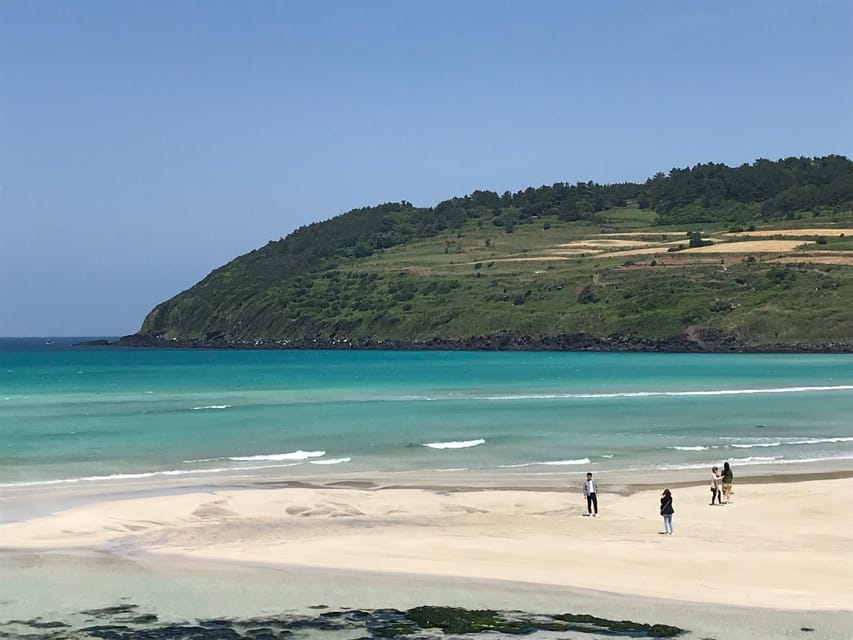
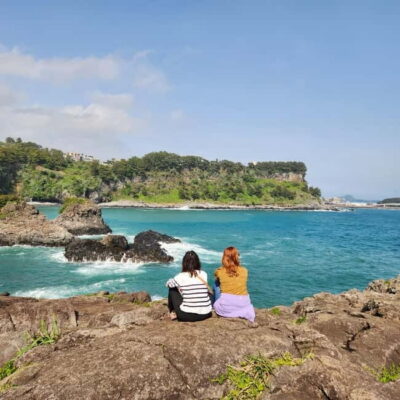
Hamdeok is described as Jeju’s largest and most beautiful beach. You may have time to enjoy the white sand and sea, and you can also walk Seoubong Peak, known for sunset views. This alternative changes the character of the day, but it is not a poor replacement. Instead of a volcanic cave, you get more open air, water, and possibly a hill walk.
The key point is that you will visit one option, not both. If Manjanggul is the main reason you are interested, check its reopening status. If it remains closed, decide if a beach and coastal trail still suit your plans.
What the nine-hour schedule feels like
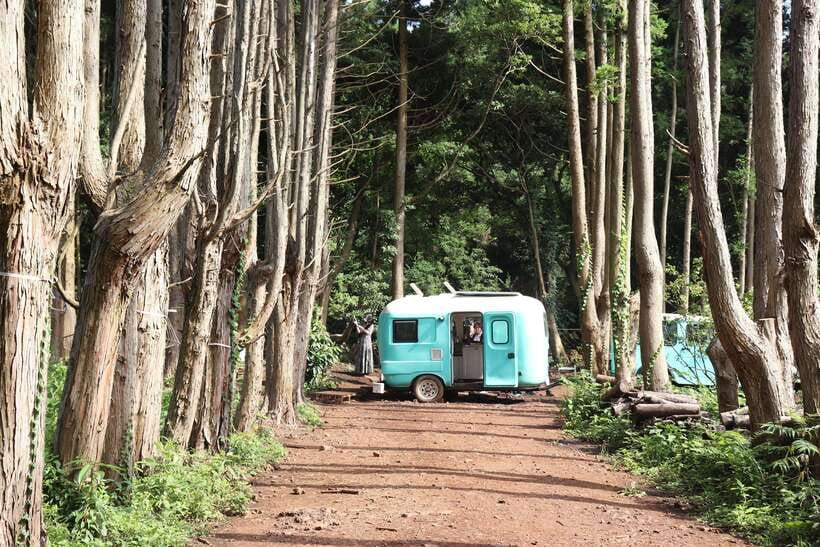
The route is full, but the stops are sensibly varied. You move from a traditional village to a volcanic peak, then to a museum, beach, and cave or coastal alternative. That variety keeps the day from feeling like a string of similar viewpoints.
The driving sections also provide breathing room. You are not walking continuously, and the coastal roads offer views between the formal stops. Fabio is often praised for keeping the schedule moving without making it feel frantic. He has also made brief roadside stops when he noticed sea workers or a worthwhile view.
Still, this is not a slow, private custom tour with unlimited time. You have fixed windows at the main sites, and the long return drive to Seogwipo takes about an hour. If you prefer lingering over lunch, browsing shops, or sitting by the sea for half a day, an independent itinerary may suit you better.
Lunch is not included. The schedule leaves room for a meal, but the precise choice and timing can vary. Past outings included local food such as bomal kalguksu, knife-cut noodles with sea snail, near the water. Plan to pay separately and tell Fabio if food timing matters to you.
The guide and transport are a large part of the value
At $88 per person, this is not the cheapest way to see Jeju, but it includes substantial transportation and admission costs. The price covers the vehicle, English or Korean guide, fuel, parking, and entry fees for the parks. You are mainly responsible for lunch, insurance, and personal expenses.
For a solo visitor, the value is especially clear. Renting a car in Jeju may not be practical for you, and public transport would make this collection of eastern stops much harder to fit into one day. You also avoid navigating unfamiliar roads and parking areas.
The guide adds more than simple directions. Fabio has been praised for explaining Jeju’s history, ecology, language, society, and present-day life. His timing and personal manner are repeatedly highlighted, along with help arranging a taxi at the end for people returning to hotels outside the drop-off route.
The vehicle may be a van, minibus, or bus depending on group size. The advertised small-group limit is 12, but the inclusion list also allows larger vehicles. If you want the intimate van experience described by many people, verify the group size before paying.
Who should choose this Jeju east coast tour?
I would recommend it to you if you are staying in Seogwipo and want to see the eastern side without renting a car. It is also a strong choice for solo visitors, couples, families with older children, and anyone who prefers a guide to explain the island instead of simply pointing out scenic stops.
It suits curious visitors who want culture alongside scenery. Seongeup, the Haenyeo Museum, and Fabio’s commentary give the day more substance than a simple beach circuit.
You should think twice if you dislike early starts, long road days, stairs, or weather-dependent plans. Seongsan Ilchulbong requires walking, the coast can be windy, and the haenyeo performance may not happen. People over 95 are specifically listed as unsuitable for the activity.
Free cancellation is available up to 24 hours before the tour, and you can reserve while paying later. Those policies help if your Jeju schedule depends on weather, but they do not remove the need to check the Manjanggul closure.
Should you book this tour?
Book it if you want an efficient, well-explained introduction to eastern Jeju from Seogwipo. The strongest reasons are the local departure, manageable group size, excellent guide feedback, and the mix of village life, coastal scenery, volcanic geology, and haenyeo culture.
I would not book it solely for the cave or the women’s performance, since both parts can change with closures and weather. Book it for the whole day, pack for wind and rain, wear shoes suited to stairs, and confirm the current replacement for Manjanggul. If those conditions work for you, $88 is fair value for a long day with transport, admissions, and a guide who appears to make the island easier to understand.
FAQ
Where does the tour start?
Pickup is available from hotels in Seogwipo’s Old Town when offered by the operator. Casaloma Hotel in downtown Seogwipo is the meeting point for people staying outside the central pickup area. The listed pickup location is Seogwipo Maeil Olle Market.
How long does the tour last?
The tour lasts 570 minutes, or about nine and a half hours. The return journey ends at the departure hotel or Casaloma Hotel, with a bus stop available for some people continuing to Jeju Airport or downtown Jeju City.
Is Manjanggul Cave open?
Manjanggul Cave is temporarily closed until March 2026 because of falling rocks. During the closure, the tour uses Hamdeok Seowoobong Beach as an alternative. The tour visits only one of the cave or the beach and coastal alternative.
Is the haenyeo performance guaranteed?
No. The performance depends on the weather on the day. You may also see working haenyeo along the Jongdal-ri coastal road when conditions allow.
Is lunch included?
No. Lunch is not included in the price. Your personal expenses, insurance, flights, and hotels are also excluded.
What languages are available?
The tour offers English and Korean live guides. Fabio is specifically praised for speaking clear English and providing explanations about Jeju’s culture, history, people, and daily life.
Just added around South Korea
- Jeju island Southern Unesco Mt.halla ONE day Bus Tour★ 5.0 · 15 reviews
- Jeju bus tour with professional English guide for cruise customer★ 5.0 · 2 reviews
- Small Group Jeju island Private Mini-Bus Tour★ 5.0 · 2 reviews
- Jeju Island UNESCO small group Join tour(Taxi, van & bus)★ 5.0 · 8 reviews
- East of Jeju island Bus Tour from Seogwipo city, Jeju island★ 5.0 · 3 reviews
- Jeju Eastern Must visit Unesco Bus Tour★ 5.0 · 4 reviews
- Jeju Island UNESCO Heritage Bus Tour★ 5.0 · 54 reviews
- West of Jeju island Bus Tour from Seogwipo city, Jeju island★ 5.0 · 2 reviews
South Korea Bus Tours, compared.
Jeju Island: Full-Day East Jeju Bus Tour with Entry Fees
Read our review →
Jeju Island: Full-Day SouthWest Bus Tour with Entry Fees
Read our review →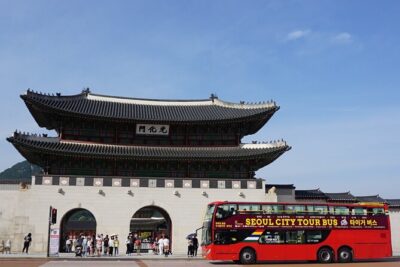

Jeju Southern: Mt.Hallasan and UNESCO Geopark Bus Tour
Read our review →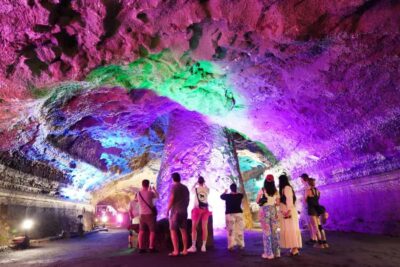
Jeju EAST Course : UNESCO (Seongsan-ilchulbong) BUS TOUR
Read our review →
Jeju: West of Jeju Island Bus Tour from Seogwipo City
Read our review →
Jeju island Southern Unesco Mt.halla ONE day Bus Tour
Read our review →Browse the lists this tour appears in