
Review · VIETNAM
Sapa – Bac Ha Trek Tour – Night Train & Bus & Homestay overnight
Mountain mornings begin on the night train. This three-day Sapa and Bac Ha trip combines rice-terrace walks, village visits, a Ta Van homestay, and a Sunday market in one tidy package from Hanoi. I like the small-group format, capped at 15 people, and the fact that meals, local guides, transfers, and entrance fees are mostly arranged for you. The main concern is the pace: one trek covers about 9 kilometers, and the overnight train plus early transfer leaves little room for a slow start.
I also like the choice between train and bus arrangements, plus the private car and guide used for Bac Ha. You get both the famous Sapa valley and a less polished market town, but the homestay is basic, with shared sleeping space or a mattress and a public bathroom. This is a good fit if you value access and local contact more than comfort.
Key points at a glance
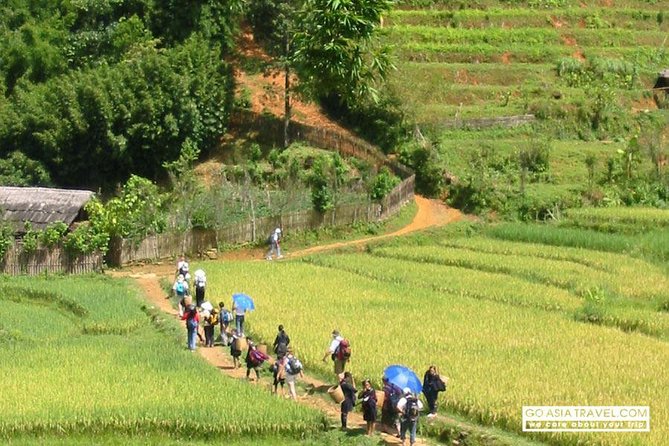
- A 9-kilometer Sapa trek: Walk through Cat Cat, Lao Chai, Ta Van, and Giang Ta Chai, with steep or slippery sections possible in rain.
- One night in Ta Van: Sleep in a simple homestay connected to local village life, not a hotel-style property.
- Sunday-only Bac Ha Market: The schedule matters, since the market takes place only on Sunday morning.
- Night train or bus options: The trip begins from Hanoi and includes transport arrangements, with exact options depending on the booking selected.
- Small group of up to 15: A smaller party should make village walking and guide interaction easier than a large coach tour.
- Meals are largely covered: Dinner, three lunches, and three breakfasts are included, while drinks and personal purchases are extra.
Why this Sapa and Bac Ha combination works
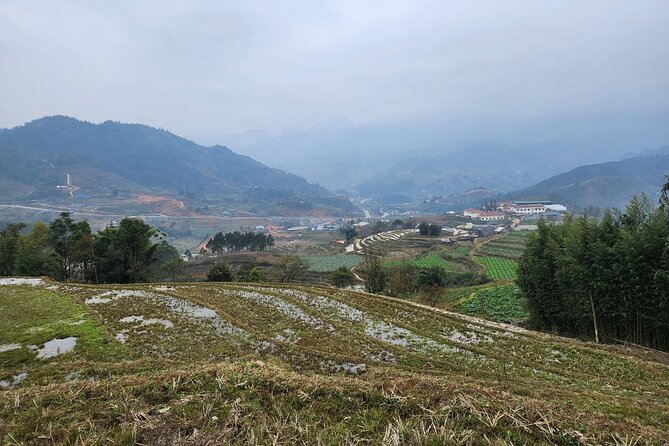
Sapa is often sold as a quick mountain escape, but getting there, finding a guide, arranging meals, and organizing a village stay can take more work than expected. This tour bundles those pieces into about three days, so you can spend your energy walking rather than sorting out transport.
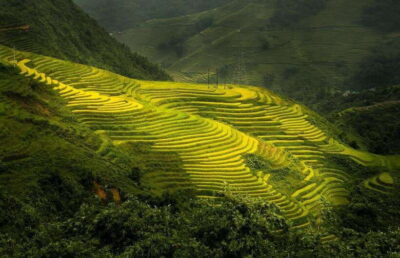
The route also has a useful contrast. Sapa gives you rice terraces, bamboo, mountain streams, and villages near the Muong Hoa Valley. Bac Ha brings a Sunday market, ethnic trade, and Hoang A Tuong’s old residence. You get two different views of northern Vietnam instead of spending every hour on the same trail.
The price is listed at $54.20 per person, which is low for a package that includes transport arrangements from Hanoi, accommodation, meals, guiding, and entrance charges. Still, check the selected transport option carefully. The overnight train, limousine bus, and other transfer choices may not all be covered in exactly the same way. The value is strongest for someone who wants a practical mountain trip with few extra decisions.
The tour has a 5.0 rating from six published ratings. One especially useful detail is that the organization was praised even when rain affected the weather. That matters here, since Sapa can turn wet and foggy, especially from December through March.
More Walks and Hikes in Hanoi:
- 2-Day Trekking Adventure of Sapa from Hanoi with Night Bus
★ 5.0 · 134 reviews - Sapa Trekking Tour 2 Days 1 Night By Bus
★ 5.0 · 86 reviews - From Hanoi: 2-Day Sapa-Fansipan Peak & Trek & Ha Giang Bus
★ 4.8 · 52 reviews
The overnight train from Hanoi to Lao Cai
Your meeting point is at 160 Tran Quang Khai Street in Hanoi’s Hoan Kiem area. The train is scheduled to leave at about 9:30 p.m., using one of the listed SP services. A driver meets you at Lao Cai around 5:00 a.m. and takes you the roughly 40 kilometers uphill to Sapa.
This is efficient, but not restful for everyone. You spend the night in transit, then move straight into breakfast and a walking day. I would pack a small day bag for Sapa and keep larger luggage organized for the transfer or homestay arrangements.
The train option makes sense if you want to save a hotel night in Hanoi and arrive in the mountains early. It also gives the trip a clear sense of purpose: sleep on the way north, walk during the day, and stay in the valley that night. If you sleep lightly, bring the warm clothing and personal medicine the operator advises. Mountain mornings can feel cold even when Hanoi is mild.
The supplied details also mention bus and limousine-bus choices. Since the exact transfer depends on the option selected, confirm whether you are taking the train, a bus, or a combination before departure. The advertised package includes Hanoi to Sapa and return transport, but the transport wording allows for different arrangements.
Cat Cat Village and the first Sapa walk

After breakfast at a hotel in Sapa, you prepare a light bag for a short trek to Cat Cat Village with a local H’Mong guide. The walk is scheduled for about three hours, with roughly one hour allocated to the village visit itself.
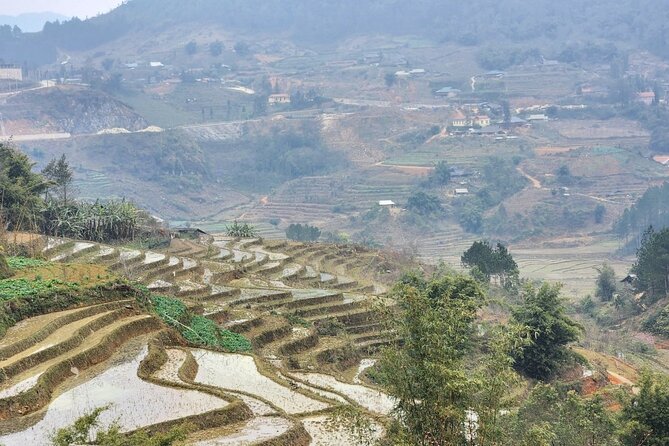
Cat Cat is known for Black H’Mong culture, a waterfall, the Muong Hoa stream, and nearby rice terraces. You can also see a hydroelectric plant built during the French period, along with village facilities such as schools. The setting gives you a quick introduction to the area before the longer valley walk begins.
This first section is useful because it eases you into the region. You are not dropped straight onto the longest route after the night train. At the same time, do not mistake short for effortless. Paths around Sapa can be uneven, and rain may make stone or earth surfaces slick.
The guide is an important part of the visit. You are not simply looking at terraces from a road. You have someone who can explain local communities and help connect the scenery to daily life. The guide may change according to the route, so the tour does not provide one fixed guide name.
Lao Chai and the walk through Muong Hoa Valley
From Cat Cat, the experience moves toward Lao Chai, a Black H’Mong village near the Muong Hoa Valley and stream, below Fansipan. The walk passes rice terraces and follows mountain scenery that changes with the season and weather.
The route description gives a long period for Lao Chai, up to 20 hours, but that appears to include the broader overnight sequence rather than 20 hours of walking. Expect a full day around the valley, not a single brief stop. The key point is that the tour is built around moving from village to village on foot.
The longer trek is the part that demands the most from you. The operator specifically warns older people away from the 9-kilometer route because of its difficulty and the added danger in rain. You need moderate physical fitness, proper trekking shoes, sun protection, insect repellent, and enough water for your personal needs.
Rain does not automatically ruin the trip. It can bring fog, muddy paths, and less distant visibility, but the valley remains attractive in changing weather. Still, you should be comfortable with a less predictable day. This is not a paved sightseeing circuit with frequent vehicle pickups.
More Train Rides in Hanoi:
- Hanoi City Tour: Bat Trang, Train Street, Lunch & Luxury Bus
★ 4.9 · 15 reviews - 1 Day – 1/2 Day Hanoi City – Luxury Bus, Lunch, Train Street
★ 4.9 · 8 reviews - Sapa 2 Days 1 night By Bus/Train – Overnight in Hotel 3* With Mountain View
★ 4.0 · 2 reviews - 2 Day Sapa-Bac Ha Market: Night Train& Homestay-Bus Ha Giang
★ 5.0 · 2 reviews
Ta Van homestay: simple, social, and practical
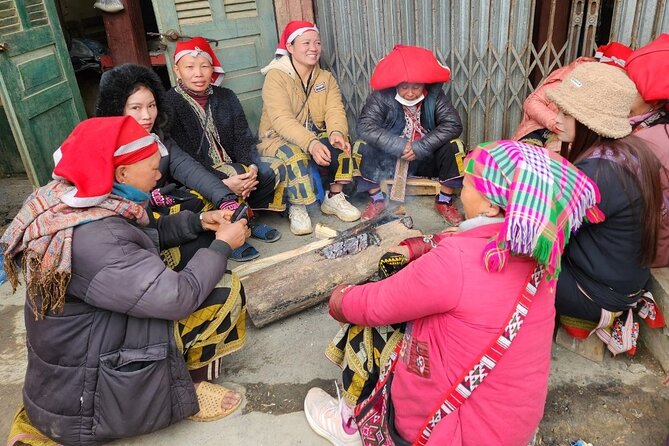
Ta Van is home to the Giay people and sits beside the Muong Hoa stream. The village is the overnight base, and staying here gives the trip a stronger local focus than returning to a hotel in central Sapa.
The accommodation is basic. You may have a shared room or a single mattress, and the bathroom is public. The operator is clear that this is a homestay rather than a hotel, so you should expect simple facilities. Pack light, keep valuables secure, and bring warm layers because the mountain weather can shift quickly.
I like this part of the trip because the overnight stay supports the route itself. You walk into the valley, eat and sleep there, and begin the next section without returning to Sapa town. You also have the chance to see village life through a local household setting instead of only passing through during daylight.
Dinner is included, as are three lunches and three breakfasts across the trip. Drinks are not included, so carry Vietnamese dong for water, snacks, and small purchases. Banking service in Sapa can be unreliable, and the operator advises carrying cash. US dollars, euros, and Australian dollars may be accepted in Sapa, but Vietnamese currency is the safer choice.
Giang Ta Chai and the bamboo forest
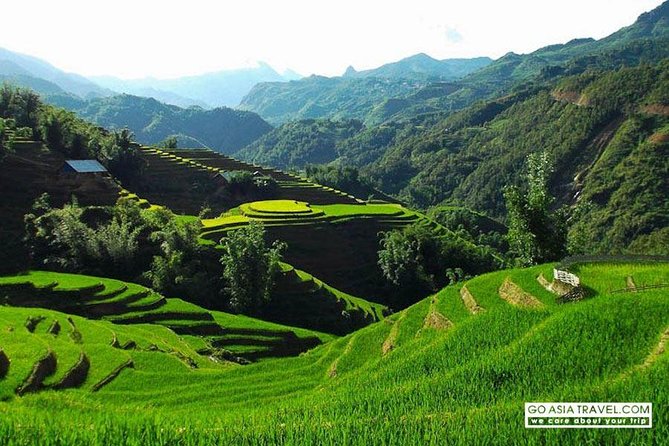
The second-day route includes Giang Ta Chai, a village associated with Red Dao, Giay, and Black H’Mong communities. The walk takes about two hours and includes bamboo forest, rice terraces, and views toward Muong Hoa Valley.
This is a good continuation after Ta Van because it keeps the focus on footpaths and village scenery rather than turning the second day into a bus excursion. Bamboo gives the route a different feel from the open terraces, while the shared valley setting ties the stops together.
The details do not provide a full hour-by-hour plan for this day, so you should expect some flexibility. Weather, trail conditions, and the group’s pace can affect the walking schedule. That flexibility is useful in the mountains, but it also means this is not the right choice if you need every transfer timed to the minute.
Bac Ha Market on Sunday morning
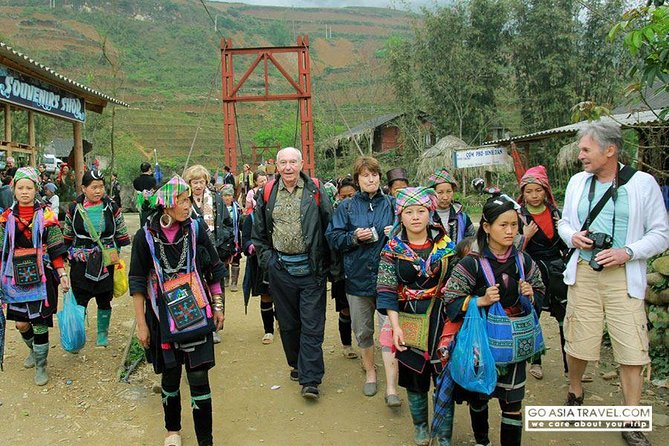
Bac Ha is the reason scheduling matters. Its market takes place on Sunday morning, so the tour needs to be planned around that day. If your dates do not include Sunday, you will not see this market as part of the stated program.
The market presents a more traditional trading scene, with local people exchanging or buying goods such as pigs, chickens, souvenirs, and everyday products. The description specifically notes livestock and other goods, so this is not just a craft market aimed at visitors. You may find the atmosphere more practical and direct than the souvenir stalls around central Sapa.
You have about four hours here, which gives you time to walk through the market rather than make a rushed photo stop. Bring cash in Vietnamese dong if you want to buy anything, and remember that drinks and personal spending are outside the package.
Bac Ha adds real value to the tour because it shows a different side of northern mountain life. Sapa has become a major base for trekking, while Bac Ha’s market remains tied to weekly exchange between surrounding communities. The market can also feel crowded and visually intense, so keep your belongings close and stay aware of the meeting instructions from your guide.
Hoang A Tuong’s Castle and Pho Village
The private Bac Ha portion includes a visit to Hoang A Tuong’s Castle, with about 30 minutes at the site. The building is associated with the H’Mong ruler who lived there and governed local ethnic communities. It offers a short historical stop between the market and the quieter village walk.
Thirty minutes is enough for an overview, but not a long architectural visit. Think of it as a compact addition to the Bac Ha morning rather than the main purpose of the day.
You also visit Pho Village, close to the market, for about 30 minutes. The road is described as peaceful, with a chance to see daily life in an ethnic village setting. This short walk balances the market’s activity with a calmer look at the surrounding area.
A private car and guide are included for Bac Ha, which is a useful advantage. You are not trying to coordinate a local ride after a long mountain trek, and a private vehicle can make this section feel more focused than the shared Sapa walks.
The Ha Giang option
The final day includes an extra option for continuing directly from Sapa to Ha Giang instead of returning to Hanoi. Two buses are listed, departing at about 2:30 p.m. and 7:00 p.m. The earlier service is an 18-seat limousine bus.
This option is valuable if Ha Giang is already part of your northern Vietnam plans. It may save you from returning to Hanoi only to travel north again. But it also means your trip does not end in the same way for everyone, so confirm the route before booking.
The stated standard end point is back at the Hanoi meeting point. If you choose the Ha Giang continuation, the final transport and timing will differ. Ask for the exact arrangement, luggage handling, and drop-off details before you leave Sapa.
Food, equipment, and comfort
Meals are one of the tour’s stronger practical features. Dinner, three lunches, and three breakfasts are included, and vegetarian food is available if you request it when booking. Drinks are not included, so budget for bottled water, coffee, and other purchases.
Bring a warm layer, scarf, hat, and cap. The operator identifies September through March as cold months in Sapa, with fog especially possible in December, January, February, and March. Even outside those months, mountain weather can change quickly.
Your basic packing list should include:
- Trekking shoes with dependable grip
- Sun cream and sunglasses
- Insect repellent
- Personal medicine
- Vietnamese dong in cash
- A small bag for the walking sections
- Warm clothing for the train and highlands
The trip is not suitable for children under six, people with mobility limitations, or older people who may struggle with the long trek. The operator asks for moderate fitness, and that should be taken seriously. A wet 9-kilometer mountain route is a different task from a flat city walk.
Who should book this Sapa tour?
I would choose this tour if you want to see several northern communities without arranging every piece yourself. It suits people who enjoy walking, accept basic accommodation, and want a local guide to connect Sapa’s villages and scenery.
The small group limit of 15 is another plus. It should make it easier to hear the guide and keep the walking group together. The exact group size may vary below that limit, but it will not exceed 15 according to the supplied details.
I would hesitate if you need a comfortable hotel, guaranteed dry weather, or a gentle pace. The overnight train, early Lao Cai pickup, long trek, shared bathroom, and changeable weather all ask you to be flexible.
Cancellation is free if you cancel at least 24 hours before the start time. Changes or cancellations inside that window are not refunded, so check your dates carefully, especially if you are planning around the Sunday market.
Should you book it?
Book this trip if you want strong value in a short northern Vietnam escape and are happy to trade comfort for access. The combination of Sapa terraces, Ta Van homestay, Giang Ta Chai, and Sunday Bac Ha gives you a fuller picture than a one-day Sapa outing.
Skip it if the 9-kilometer trek sounds tiring, if shared facilities are a deal breaker, or if your schedule cannot include Sunday morning in Bac Ha. For active visitors with limited time, though, the included meals, transport, guide, private Bac Ha vehicle, and village stay make $54.20 a compelling package, provided you confirm the transport option before paying.
FAQ
How long is the Sapa and Bac Ha tour?
The experience lasts approximately three days. It includes an overnight journey from Hanoi, trekking and a homestay in the Sapa area, and a Bac Ha visit.
Is the overnight train included?
An overnight Hanoi to Lao Cai train is included depending on the option selected. Bus and limousine-bus arrangements are also available, so confirm your chosen transport when booking.
Where does the tour start and finish?
The meeting point is 160 Tran Quang Khai Street in Hanoi’s Hoan Kiem area. The standard activity ends back at the same meeting point.
What accommodation is provided?
You stay at a Ta Van homestay in a shared room or on a single mattress, with a public bathroom. It has basic facilities and is not equivalent to a hotel.
Is Bac Ha Market open every day?
No. Bac Ha Market takes place on Sunday morning. The tour includes about four hours at the market, along with visits to Hoang A Tuong’s Castle and nearby Pho Village.
Can I choose vegetarian meals?
Yes. A vegetarian option is available, but you need to advise the operator when booking. Drinks and personal expenses are not included.
More Evening Experiences in Hanoi
- 2-Night Sapa Tour with Fansipan Peak by Bus from Hanoi
★ 4.5 · 23 reviews - Sapa trekking 2days by bus from Hanoi ( over night in homestay)
★ 5.0 · 21 reviews - Sapa 2 Days 1 Night Tour From Hanoi By Bus (Hotel Overnight)
★ 3.0 · 5 reviews - Sapa 3-day Discovery Package Tour By Bus with 1 Night Homestay 1 Night Hotel
★ 3.5 · 3 reviews
Just added around Hanoi
- Vietnam Day Trips All-Inclusive, Bus, Guide, Meals & Activities★ 4.5 · 8 reviews
- Sapa trekking 2days by bus from Hanoi ( over night in homestay)★ 5.0 · 21 reviews
- 2-Day Trekking in Sa Pa from Ha Noi by sleeping bus★ 5.0 · 4 reviews
- Sapa 3-day Discovery Package Tour By Bus with 1 Night Homestay 1 Night Hotel★ 3.5 · 3 reviews
- From Hanoi: 2D1N Ha Long Bay Deluxe Cruise with Bus Limousine★ 5.0 · 185 reviews
- Sleeping bus Ninh Binh to Hue★ 4.0 · 5 reviews
- Sapa Hard Trekking by Bus for 2 days★ 5.0 · 3 reviews
- Sapa Trekking Tour 2 Days 1 Night By Bus★ 5.0 · 86 reviews
Hiking & Trekking, compared.
From Pompeii: Mount Vesuvius Hike & Tour by Bus
Read our review →
2-Day Trekking Adventure of Sapa from Hanoi with Night Bus
Read our review →


Sapa trekking 2days by bus from Hanoi ( over night in homestay)
Read our review →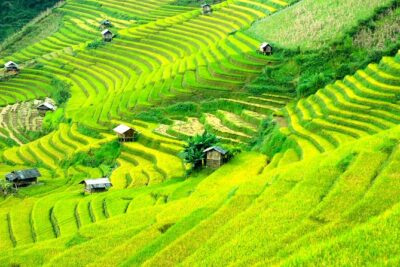
Sapa 2D1N Trekking to Giang Ta Chai Village from Hanoi by Bus
Read our review →Browse the lists this tour appears in