
Review · VIETNAM
Explore Sapa 2 Days 1 Nights by Bus – Homestay
Rice terraces reward the early departure. This two-day trip takes you from Hanoi to Sapa by coach, then into the Hoang Lien Son Mountains on foot, with a night in a Dzay family homestay. I especially like the 9-kilometer trek through Y Linh Ho, Lao Chai, and Ta Van, plus the chance to eat home-cooked food and sleep in a village house rather than a standard hotel. The main trade-off is time: you spend many hours on the bus, and the trekking requires a moderate level of fitness.
You also get a useful mix of structure and freedom. The guide handles transport, village walks, meals, and the return journey, while you have free time in Sapa on the second afternoon. The homestay is basic, with shared hot-water bathrooms and a simple bed with a mosquito net, so pack for rural comfort rather than hotel polish.
Key points to know before booking
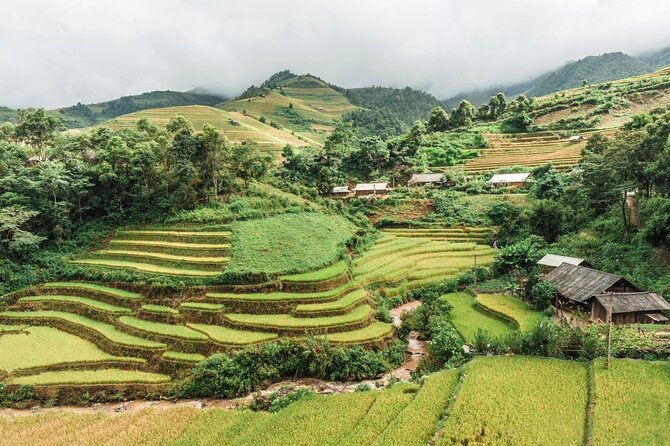
- A 9-kilometer first-day trek leads from Y Linh Ho through rice terraces and along the Muong Hoa Stream toward Lao Chai and Ta Van.
- The homestay is run by a local Dzay family, with dinner, breakfast, and a basic shared bathroom.
- The second walk covers about 4 kilometers, including bamboo forest paths and a viewpoint toward Giang Ta Chai, home of Red Dao people.
- Door-to-door service covers Old Quarter hotels, but pickup is limited to the Hoan Kiem district.
- The $99 price includes transport, meals, guides, water, and accommodation, making it good value if you want a tightly organized short visit.
- Weather can change the feel of the trip, especially from December through March, when fog and cold nights are common.
Why this short Sapa trip works
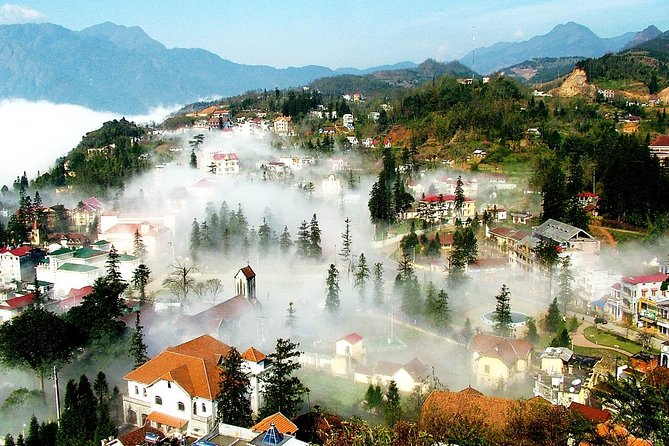
Sapa is a good break from Hanoi’s traffic and tight city streets. The air gets cooler as the road climbs, and the scenery changes from urban streets to mountain valleys, rice terraces, bamboo groves, and scattered villages.
This tour gives you a quick taste of that change without asking you to arrange every transfer yourself. A coach collects you in Hanoi, a local guide meets you in Sapa, and a second vehicle helps bring you back from the walking route on day two.
I like the balance between sightseeing and walking. You are not confined to Sapa town, where shops and tour groups can take up much of your time. Instead, the main focus is the countryside around the town, with visits to Black Hmong, Dzay, and Red Dao communities.
Still, two days is a short visit. The first morning is largely spent reaching Sapa, and the return to Hanoi takes most of the second afternoon and evening. You get a useful introduction, not a slow mountain holiday.
A few more bus tours around Hanoi worth a look
- From Hanoi: 2-Day Sapa Limo Bus Tour & Fansipan Peak Visit
★ 4.6 · 277 reviews - From Hanoi: 2D1N Ha Long Bay Deluxe Cruise with Bus Limousine
★ 5.0 · 185 reviews - 2-Day Trekking Adventure of Sapa from Hanoi with Night Bus
★ 5.0 · 134 reviews
The Hanoi to Sapa bus ride
Pickup begins around 6:30 to 7:00 in the morning from hotels in Hanoi’s Old Quarter. If you are staying outside Hoan Kiem, you will need to reach the Vietnam Open Tour meeting point at 9 Ng. Hàng Hương, or arrange your own way to the pickup area.
The bus follows the highway toward Lao Cai. There is a comfort stop around 9:30, followed by another break in Lao Cai at about 11:00 before the final climb to Sapa. The full ride is long, but the scheduled stops make it easier than being stuck in one seat for the entire morning.
The coach has air conditioning and comfortable seats. Two bottles of water and tissues are provided for each person on the round trip. An English-speaking tour leader accompanies the bus portion, while a local English-speaking guide takes over in Sapa.
That division matters. The bus leader is there to keep the long transfer organized. The local guide is the person who explains the villages, rice fields, and ethnic communities once you begin walking.
You arrive in Sapa at about 1:00 p.m. The town can feel cool, foggy, or bright depending on the season and day. Traditional clothing worn by H’Mong, Dao, and Tay people adds color to the first impression, though the real change of pace begins after lunch, when the route leaves town.
Y Linh Ho to Ta Van: the main afternoon walk
After lunch, a short drive takes you to Y Linh Ho. From there, the first trek covers about 9 kilometers and takes roughly three and a half hours.
This is the strongest part of the tour. The path passes rice terraces and follows the Muong Hoa Stream toward Lao Chai, a Black Hmong village. You then continue toward Ta Van, where Dzay people live.
The walking route gives you a better sense of how the valley fits together. Instead of viewing the terraces from one roadside lookout, you move through them, with changing views of slopes, water, paths, and village homes. The Hoang Lien Son Mountains provide the setting, but the villages and farming areas give the walk its purpose.
You should not treat this as a casual stroll. Nine kilometers over mountain paths can be tiring, especially if the ground is wet. Bring proper trekking shoes or sturdy sneakers, and expect uneven surfaces. Sunglasses, sunscreen, insect repellent, and a hat are sensible additions.
The route finishes near Ta Van in the late afternoon. This timing is helpful because you reach the homestay after the main heat of the day, but daylight and weather can affect the walking conditions. The schedule itself notes that the route may change because of weather and operating conditions.
A Dzay homestay, not a hotel
The overnight stay is with a local Dzay family. This is the part of the tour that makes the trip feel different from a standard Sapa day tour.
The accommodation is simple. You receive a basic single bed with a mosquito net, and the bathroom is shared, with hot water available. The setup is suitable if you want a local household setting and do not mind giving up privacy and hotel-style facilities.
I would set your expectations carefully. The homestay is not a luxury lodge, and the information specifically warns that it is basic and different from a hotel. That is not a flaw, but it is important to know before you pay.
Dinner is included and consists of local dishes. Dietary requests, including vegetarian meals, can be arranged if you send them before departure. Drinks are not included, so bring some Vietnamese dong for beverages and small personal purchases.
The stay also gives you a practical connection to the valley. You are not only looking at village life from a trail. You spend the night in a family-run home, eat there, and start the next morning from the same rural setting.
Previous feedback on this trip praised the homestay as cleaner and more comfortable than expected, with friendly hosts who took good care of the group. That fits the nature of the accommodation, but I would still pack light and bring personal toiletries, medication, and warm clothing.
Same place, a different way to ride:
- Ninh Binh Day Trip: Bai Dinh-Trang An-Mua Cave, Buffet, Boat, Bus
★ 5.0 · 1,183 reviews - Hanoi: City Sightseeing Hop-On Hop-Off Bus Tour
★ 4.0 · 611 reviews - Bus Hanoi to Cat Ba Island with Cat Ba Express
★ 5.0 · 245 reviews - Bus Ha Noi to Cat Ba island
★ 4.5 · 170 reviews
The second trek through bamboo forest and Giang Ta Chai
Breakfast is served by the family at around 8:00 a.m. The second walk begins at about 8:45 and covers roughly 4 kilometers in two hours.
This shorter route takes you through rice paddies and a bamboo forest. There is a stop for wide views toward Giang Ta Chai, a village associated with the Red Dao people. The walk finishes near the Giang Ta Chai Bridge, where the bus collects the group and returns you to Sapa.
The second morning is less demanding than the first, but it still involves walking on rural paths. It is a good design choice for a two-day tour. You get a substantial trek on day one, then a shorter outing before the return journey, rather than being rushed through another long route.
Fog can change the views. December, January, February, and March are especially prone to mist because of Sapa’s altitude. You may get dramatic mountain weather, or you may see less of the distant scenery than expected.
That is one reason to keep your expectations flexible. The walking and villages still have value in cloudy conditions, but clear photographs are never guaranteed. A previous account described the trip as worthwhile even in bad weather, which is useful guidance for anyone visiting outside the more stable months.
Lunch, shower, and free time in Sapa
After the second trek, the bus brings you back to Sapa at about 11:00 a.m. You have time to shower, check out, and eat lunch.
The shower is provided at a hotel, while the homestay bathroom is shared. This is a practical detail after two days of walking. You can freshen up before the long ride south and north toward Hanoi, rather than boarding the bus straight from the trail.
Lunch runs around 12:30 to 1:30. Afterward, you have about an hour and a quarter to relax or explore on your own before meeting the group again. The schedule does not promise a specific sightseeing program in Sapa town, so think of this as unstructured free time.
That pause is welcome. The organized parts of the tour are tightly timed, and a little room to buy a drink, look around, or simply sit down helps prevent the trip from feeling like a continuous chain of transfers.
You should return to the meeting point around 2:45 to 3:00 p.m. The bus leaves at approximately 3:30, with two comfort breaks along the way. Arrival at your Hanoi hotel or stay is expected around 9:15 p.m.
What the $99 price really covers
At $99 per person, this trip offers solid value if you want transport and activities bundled together. The price includes the round-trip air-conditioned bus, water and tissues, the bus tour leader, a local Sapa guide, two lunches, one dinner, one breakfast, and the homestay.
It also removes several planning jobs. You do not need to compare buses, arrange a transfer from Sapa to the trail, find a village homestay, or work out how to return from Giang Ta Chai Bridge.
The value is strongest for a first visit to Sapa or for anyone with limited time in northern Vietnam. Solo visitors may also appreciate the group format and the fact that the maximum group size is 15 people. That is small enough for the guide to manage without creating a huge procession on the paths.
The price does not include drinks, travel insurance, or personal expenses. Bring Vietnamese dong, since banking services in Sapa may not always work properly. US dollars, euros, and Australian dollars are also accepted in Sapa, but local currency is generally more convenient for small purchases.
Weather, clothing, and fitness
Sapa weather can shift quickly. Warm clothing is needed from September through March, with cold nights especially likely in the winter months. Pack a jacket, scarf, hat, and layers rather than relying on one heavy item.
You should also bring:
- Trekking shoes or sturdy sneakers
- Sunscreen and sunglasses
- Insect repellent
- Personal medication
- Cash in Vietnamese dong
- A small bag for the walking sections
The tour requires moderate physical fitness. The first day includes a 9-kilometer walk lasting about three and a half hours, and the second includes another 4-kilometer route. The paths may be uneven, and rain can make them more difficult.
If you are comfortable walking for several hours on rural mountain paths, the distances should be manageable. If you have mobility concerns or dislike muddy and uneven trails, this is not the right Sapa outing.
Who should book this tour?
I would recommend it to you if you want a short, organized introduction to rural Sapa and prefer local accommodation to a conventional hotel. It suits first-time visitors, solo visitors, couples, and small groups who want transport, food, guiding, and trekking handled in one booking.
It is also a good fit if you want more than a quick town visit. The walks reach Y Linh Ho, Lao Chai, Ta Van, and Giang Ta Chai, giving you several different views of the valley and its communities.
I would hesitate if you need private facilities, dislike early starts, or want a relaxed schedule with long stops. The bus rides take up a large part of the trip, and the itinerary runs to fixed times.
Free cancellation is available up to 24 hours before the start time. A minimum group size is required, and if the operator cancels for that reason, you can choose another date or receive a full refund.
Should you book the Sapa homestay tour?
Book it if your priority is seeing the rice terraces and village areas around Sapa without handling the complicated transport yourself. The best features are the long first-day walk, the family homestay, the included local meals, and the smaller group limit.
Do not book it expecting luxury or a slow-paced mountain retreat. You will spend many hours on the road, share basic facilities, and walk several kilometers in changing weather.
For $99, I think it is a sensible choice for a compact Sapa visit. Pack warm layers, wear proper shoes, carry cash, and accept that fog or rain may become part of the scenery. The result is a practical, active trip with a real rural focus rather than just a photo stop in town.
FAQ
Where does the tour start in Hanoi?
Pickup is offered from hotels in Hanoi’s Old Quarter, within Hoan Kiem district. The listed meeting point is Vietnam Open Tour at 9 Ng. Hàng Hương, Hàng Mã, Hoàn Kiếm, Hanoi.
What time does the tour begin?
The scheduled start time is 6:30 a.m. Hotel pickup takes place between 6:30 and 7:00 a.m.
How long is the bus journey from Hanoi to Sapa?
The bus leaves Hanoi in the morning and arrives in Sapa at about 1:00 p.m. The return bus leaves around 3:30 p.m. on day two and reaches Hanoi at approximately 9:15 p.m.
How far do you walk on the tour?
The first trek covers about 9 kilometers and takes around three and a half hours. The second trek covers about 4 kilometers and lasts about two hours.
Where do you sleep?
You stay at a homestay run by a local Dzay family. The accommodation provides a basic bed with a mosquito net and a shared bathroom with hot water.
Are meals included?
Yes. The package includes two lunches, one dinner, and one breakfast with local dishes. Beverages are not included.
Can dietary requirements be accommodated?
Special requests, including vegetarian meals and other dietary needs, can be accommodated if you send the request before departure.
Is the tour suitable for all fitness levels?
No. A moderate level of physical fitness is recommended because the tour includes two rural treks on mountain paths, with the first covering about 9 kilometers.
Just added around Hanoi
- Vietnam Day Trips All-Inclusive, Bus, Guide, Meals & Activities★ 4.5 · 8 reviews
- Sapa trekking 2days by bus from Hanoi ( over night in homestay)★ 5.0 · 21 reviews
- 2-Day Trekking in Sa Pa from Ha Noi by sleeping bus★ 5.0 · 4 reviews
- Sapa 3-day Discovery Package Tour By Bus with 1 Night Homestay 1 Night Hotel★ 3.5 · 3 reviews
- From Hanoi: 2D1N Ha Long Bay Deluxe Cruise with Bus Limousine★ 5.0 · 185 reviews
- Sleeping bus Ninh Binh to Hue★ 4.0 · 5 reviews
- Sapa Hard Trekking by Bus for 2 days★ 5.0 · 3 reviews
- Sapa Trekking Tour 2 Days 1 Night By Bus★ 5.0 · 86 reviews
2-Day Experiences, compared.


Munich Hop-On Hop-Off Tour: 1-Day or 2-Day Ticket
Read our review →
Granada City Train 1 or 2-Day Hop-On Hop-Off Ticket
Read our review →
1 or 2 Day HOP-ON & HOP-OFF Narrated Trolley Tour of Boston
Read our review →


2D1N Ha Long Bay Deluxe Cruise with Bus Limousine
Read our review →Browse the lists this tour appears in