
Review · MEXICO
Mexico City: Hop-on Hop-off Bus Tour
Mexico City rewards a good first ride. This $21 Turibus pass gives you a broad look at the capital without wrestling with taxis or learning the Metro on day one. I like the freedom to hop off near museums, markets, plazas, and neighborhoods, then board again when your feet need a break. I also like the choice of four routes, from the Historic Downtown circuit to Coyoacán and the Basilica of Guadalupe. The main catch is traffic, which can stretch a planned ride well beyond its timetable.
A one-day pass works if you focus on one or two circuits. For a calmer visit, choose two days, especially if you want to stop at museums or explore the southern neighborhoods. Bring your own earphones if you want the multilingual audio to be clear, since the Spanish announcements can overpower the recordings on some buses.
Key points to know before boarding
- Four routes, one bracelet: Change between the Historic Downtown, Polanco, South, and Basilica routes without buying separate tickets.
- Historic Downtown is the best starting point: It links Zócalo, Reforma, museums, monuments, and major central sights on a frequent circuit.
- Traffic shapes the day: Buses can run late, and the South Route may take much longer than expected.
- Audio quality varies: The system offers nine languages, but English recordings can be hard to hear beside loud Spanish announcements.
- Two days offer better value: A single day is often too short for all four routes and meaningful stops.
- Open-top seating has tradeoffs: The views are pleasant in mild weather, but midday sun and hot metal seats can be uncomfortable.
Why this bus works well for a first look at Mexico City
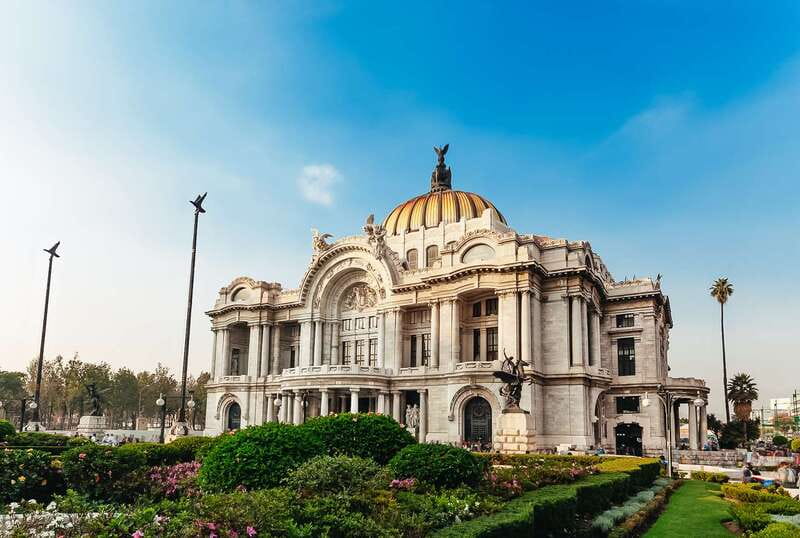
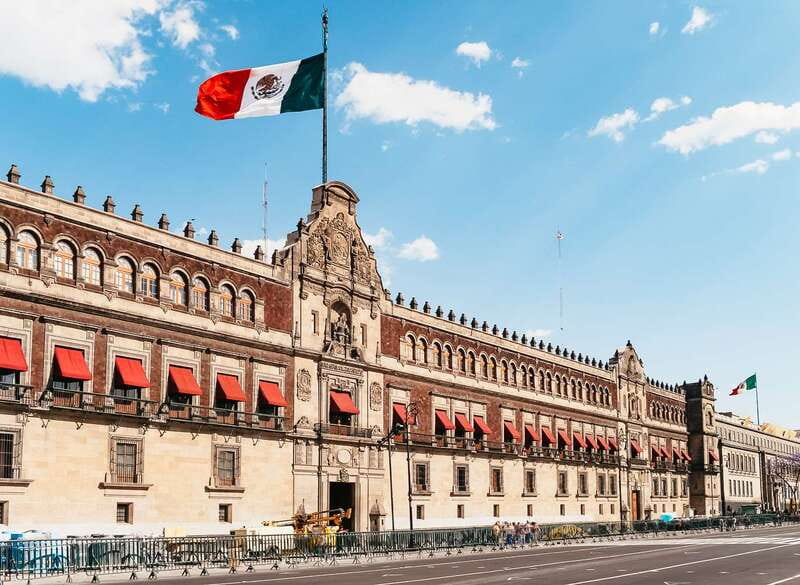
Mexico City is too large to understand from one neighborhood. The Turibus helps you connect the dots. You can see how the grand central plaza, Paseo de la Reforma, Polanco, Coyoacán, university grounds, and the Basilica fit together before deciding where to spend your limited sightseeing time.
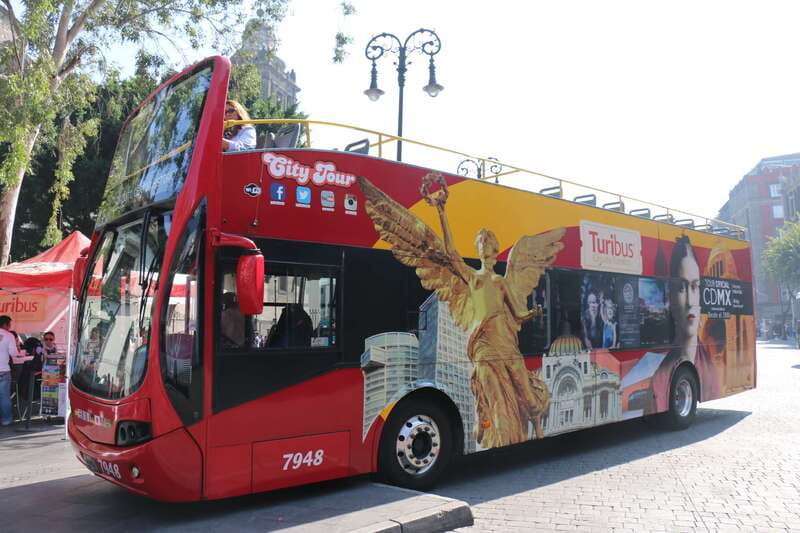
The service runs on double-decker buses, with an open upper deck and a covered lower level. You can board at any listed stop and show a printed or electronic voucher. The single bracelet covers all four routes, which is useful when you are moving between parts of the city rather than simply riding one loop.
I see this as both transport and orientation. It is not a replacement for walking through the Zócalo or spending an afternoon at the Frida Kahlo Museum. It is a way to reach those places and decide which deserve more time.
The usual operating window is roughly 9 a.m. to 7 p.m., though route schedules differ. Traffic can delay buses, and one service may leave you at the nearest stop when the day ends. Plan your final ride early rather than counting on a last-minute connection.
More Hop-On Hop-Off Bus Tours in Mexico
- Mexico City: Hop-on Hop-off City Tour by Turibus 1-Day Pass
★ 4.1 · 691 reviews - Hop On Hop Off Tour with Free Stops in Puerto Vallarta
★ 4.0 · 647 reviews - Cancun City Sightseeing and Shopping Tour on a Double Decker bus
★ 4.0 · 540 reviews
Historic Downtown Route: the strongest first ride
The Historic Downtown Route is the most useful circuit for a first day. It runs daily, generally from 9 a.m. to 7 p.m., with buses about every 30 minutes. Its 19 stops connect the central sights with Reforma and the museum area.
The route includes Auditorio, the Museo del Arte Moderno, Condesa, Plaza Madrid at Cibeles, Casa Lamm, the Angel of Independence area, Reforma 222, the Wax Museum and Ripley’s, the Colón monument, the Hemiciclo a Juárez, Zócalo, Plaza Manuel Tolsá, Museo Franz Mayer, the Monumento a la Revolución, Museo de San Carlos, Reforma and Insurgentes, Reforma and Río de la Plata, and the National Museum of Anthropology.
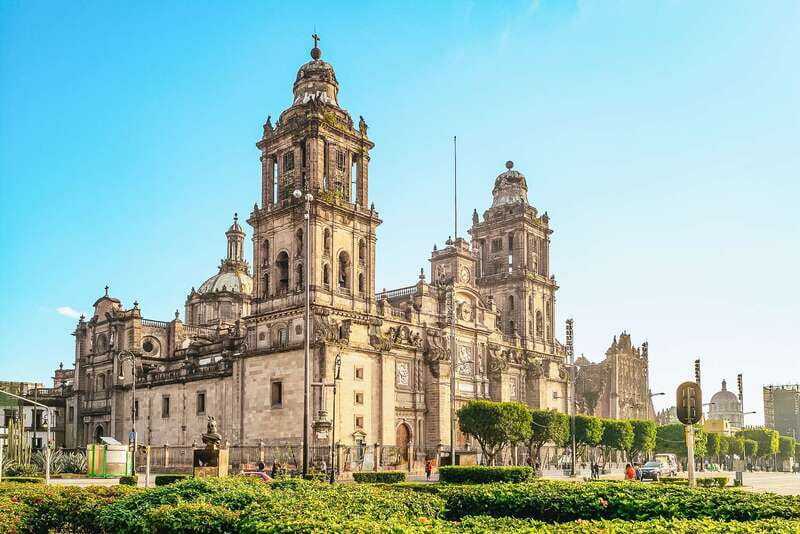
That list tells you why this route is so useful. You get a broad sweep of Mexico City’s central districts, from formal avenues and major monuments to leafy Condesa and the historic core. The stops near Zócalo are especially valuable because you can get off for food, churches, museums, and the immense central square.
Do not treat the 19 stops as a checklist. A full loop can take longer than expected, especially during busy traffic periods. I would use the first circuit to mark places for a later visit, then hop off only at two or three sights that matter most to you.
The National Museum of Anthropology is a major stop, but it deserves several hours by itself. The same is true of the Historic Downtown area. If you plan a museum visit, check the bus timing before entering so you are not left guessing at the curb.
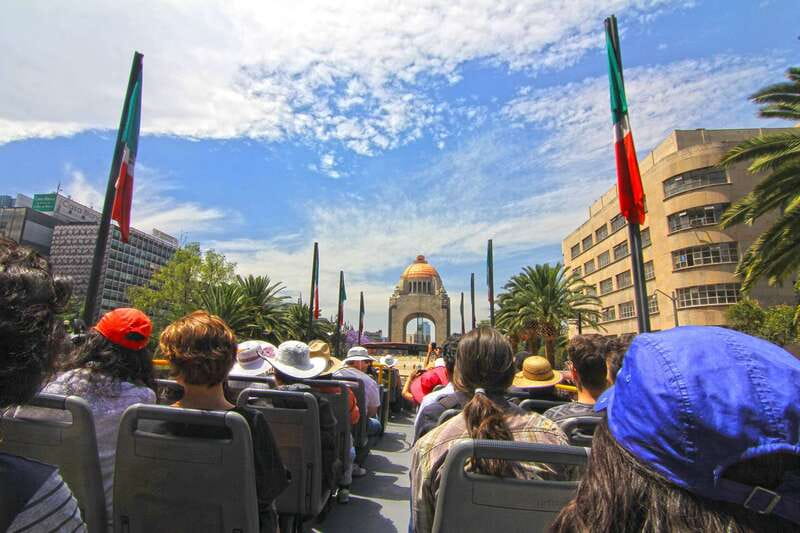
The route is also a good way to reach Reforma from the historic center. You may find the top deck particularly pleasant in the morning or later afternoon. In strong midday sun, though, the upper seats can become hot, and the metal seating may be uncomfortable.
Polanco Route: shopping, modern buildings, and short service windows

The Polanco Route is the most limited in schedule, so plan it rather than simply adding it whenever convenient. Departures from Auditorio are listed at 10 a.m., 11:30 a.m., 1 p.m., 2:30 p.m., 4 p.m., and 5:30 p.m.
Its seven stops are Auditorio, Arquímedes and Campos Elíseos, Masaryk and Moliere, Centro Comercial Antara, Museo Soumaya, Hipódromo and Granja Las Américas, and Museo del Papalote.
This circuit shows a different Mexico City. Instead of colonial plazas and older monuments, you get upscale shopping streets, newer architecture, museums, and family attractions. Museo Soumaya is the key cultural stop, while Antara serves visitors interested in shopping and contemporary design.
The route is a good choice if you are staying around Reforma or Polanco, or if you want a break from the historic center. It is less useful as an unplanned ride because the departures are spaced out. Missing a bus can cost you a substantial part of the afternoon.
I would pair this route with one clear goal. Choose Museo Soumaya, shopping around Masaryk, or Museo del Papalote, then allow time for the next departure. The short route does not mean the day will be short. Mexico City traffic still applies.
South Route: Coyoacán and university sights require patience
The South Route is the most rewarding choice for visitors interested in Frida Kahlo, Coyoacán, San Ángel, and the National Autonomous University of Mexico. It also demands the most patience. Service runs daily from about 11 a.m. to 7 p.m., with buses roughly every hour or every 30 minutes depending on the section and conditions.
The 19 stops include Fuente de Cibeles, Mercado Roma, the World Trade Center, Torre Manacar on Insurgentes, the Frida Kahlo Museum, Centro Histórico Coyoacán, Avenida de la Paz, Centro Cultural San Ángel, Estadio de C.U., the botanical garden, Centro Comercial Perisur, KidZania Cuicuilco, the UNAM Rectory, Plaza Oasis Coyoacán, Mercado Roma Coyoacán, the historic center of Coyoacán, the Frida Kahlo Museum again, Torre Manacar, and Fonart.
The appeal is clear. This route links several neighborhoods that feel different from central Mexico City. Coyoacán offers plazas, markets, and the Frida Kahlo Museum. San Ángel adds colonial architecture and cultural stops. The university area provides large public spaces and access to the botanical garden and UNAM buildings.
The drawback is distance. One report described the trip to the Frida Kahlo Museum as taking up to two hours in traffic. That is not a small delay if you have museum tickets or dinner plans. Start early, avoid the busiest periods when possible, and do not schedule several timed activities on this route.
I would give the South Route its own half-day at minimum, and preferably most of a day if you want to get off. If you only ride it for views, you can see several districts without committing to a long stop. If you want Coyoacán and the Frida Kahlo Museum, buy or reserve entry separately where needed and allow plenty of extra time.
Same place, a different way to ride:
- Puerto Vallarta: Hop-On-Hop-Off City Bus Tour
★ 4.1 · 386 reviews - Mexico City: Double Decker Bus Night Tour
★ 3.8 · 373 reviews - Turibus Hop On Hop Off Mexico City Tour
★ 3.0 · 347 reviews - Cancun: Hop-On-Hop-Off Sightseeing Bus Tour
★ 3.7 · 256 reviews
Basilica Route: a compact ride through sacred Mexico City
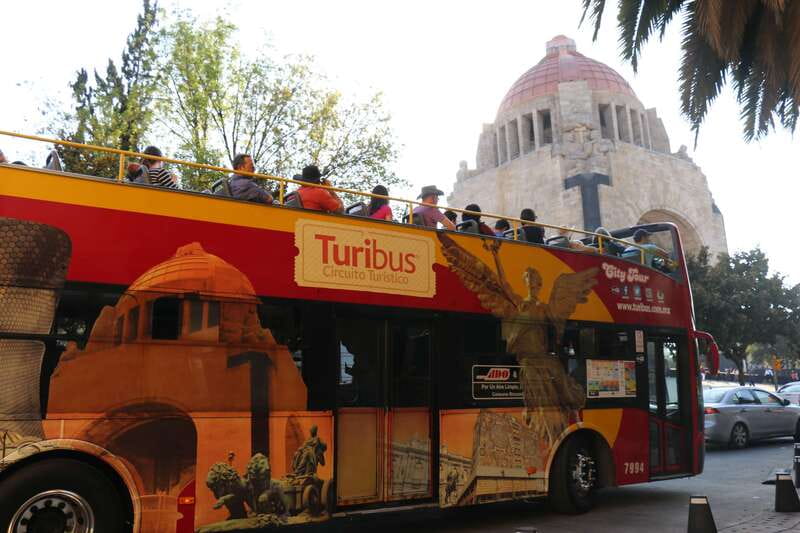
The Basilica Route runs from Zócalo at listed departure times of 10 a.m., 11:30 a.m., 1 p.m., 2:30 p.m., 4 p.m., and 5:30 p.m. Its stops are Zócalo, Garibaldi, the Basilica of Guadalupe, and Palacio de los Condes de Miravalle.
This is the shortest and most focused route. Its main purpose is the Basilica of Guadalupe, one of the city’s most important religious destinations. Garibaldi adds a different cultural note, while the Zócalo and palace stop connect the ride to central Mexico City.
If the Basilica is your priority, this route provides a simple way to include it without arranging a separate taxi. Leonor used the service mainly for the Basilica and found that the route offered more possibilities than time allowed. That is the right expectation: even a short circuit can lead to a much longer stop once you arrive.
Check departure times carefully. Unlike the frequent Historic Downtown Route, this service runs at set intervals. If you get off at the Basilica, keep track of the next bus or prepare to spend more time there.
Audio commentary, guides, and the practical sound problem
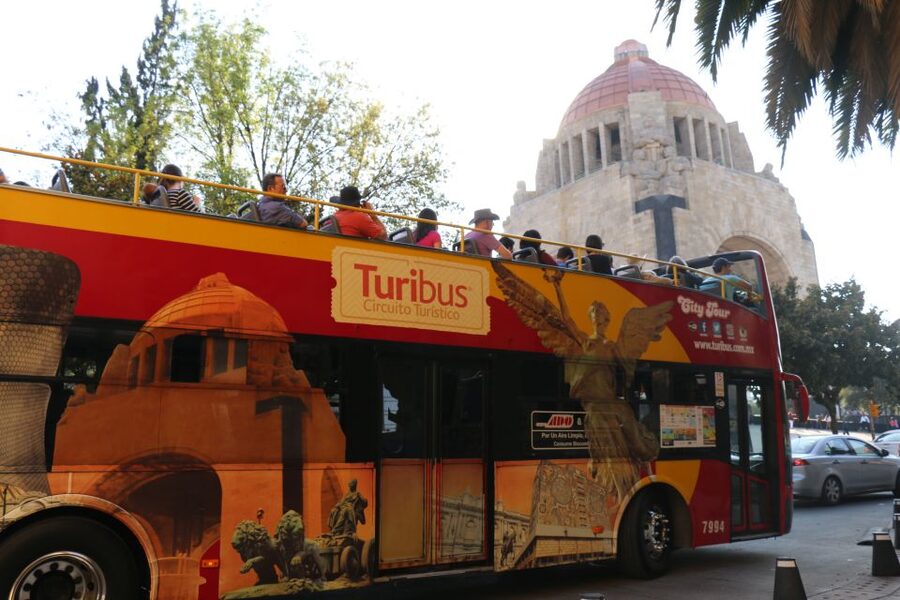
The digital audio system offers Spanish, English, German, French, Italian, Chinese, Japanese, Portuguese, and Russian. There is also a special children’s channel. English-speaking riders should ask for earphones before leaving the boarding point, and carrying your own pair is sensible.
The main problem is sound balance. Spanish announcements and onboard audio can be loud, while the English recording through the headset may be faint. Street noise adds another layer, especially on the upper deck. Some passengers also found that the English commentary cut off before the explanation ended.
Choose a seat away from the bus speakers if possible. Test the audio soon after boarding, since changing seats is easier before the bus fills. The system is useful for broad context, but do not expect every stop description to be perfectly timed or equally clear.
On some rides, a live guide or staff member may add information. Names noted during the experience include Estefania, Cristian, Diane, and Lillie and Ellie. Still, the standard product is built around the recorded system, so your enjoyment should not depend on having a live guide.
Timing, traffic, and finding the stops
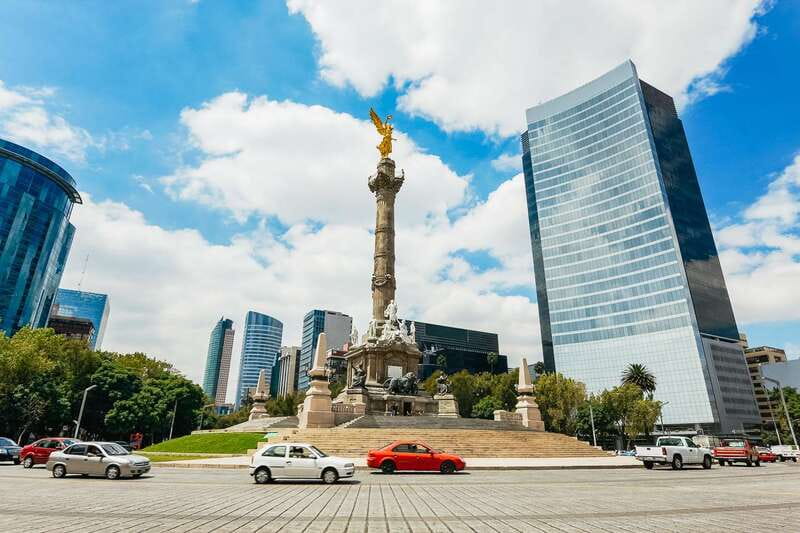
The buses are comfortable and generally clean, but Mexico City traffic is part of the experience. A route that looks quick on a map can take much longer at a red light or during a busy period. The Historic Downtown buses are usually the easiest to catch, while the Polanco and Basilica services follow more limited departure schedules.
Stop signs and banners are used, but they are not always obvious. A listed stop may be several dozen meters from the attraction itself. The Frida Kahlo stop, for example, was reported to be about 75 meters from the museum, so do not expect the bus to stop directly at every entrance.
Confirm your route and stop with staff when possible. Printed information has not always been clear, and one stop was removed without a clear notice. A route map is especially helpful, but you should also ask about the next departure before walking away from the bus.
The meeting point is flexible: you can begin at any designated stop. That is better than being tied to one central departure point, particularly if you are staying near Reforma, Polanco, or the National Auditorium. Show the voucher when boarding.
Is $21 good value for one or two days?
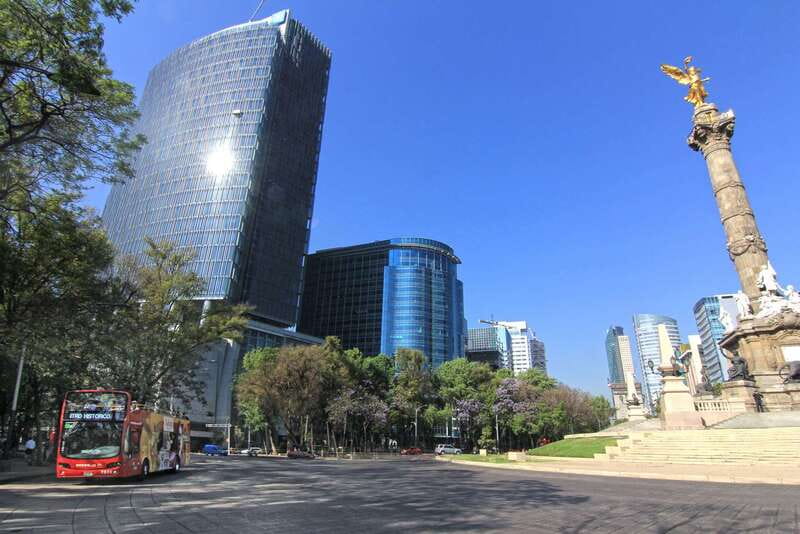
At $21 per person, the pass is strong value if you use it as transport as well as sightseeing. A few cross-city taxi rides can cost a meaningful share of that amount, while the bus lets you cover Reforma, the center, Polanco, and southern districts under one ticket.
The value is weaker if you remain in one walkable area or only ride for an hour. You are paying for access to four routes, so the pass makes more sense when you use at least two circuits or hop off several times.
A one-day ticket suits a focused plan. Choose the Historic Downtown Route plus either Polanco or the Basilica Route. A two-day ticket is better if you want Coyoacán, the Frida Kahlo Museum, the Basilica, and museum time without racing the clock.
The pass includes the bus and audio system, but not food, drinks, museum admission, or other services. Budget separately for those stops.
Who should book this experience?
I recommend it for a first visit, a short stay, families who want a simple overview, and anyone who prefers not to manage several taxis across a huge city. It is also helpful after several days of walking, when an open-top ride gives you a quieter way to see more.
It is less suitable if you dislike waiting, need precise arrival times, or want an intensive guided history lesson. Traffic can undo a careful schedule, and the audio equipment is not always reliable.
Book it if you can accept flexible timing and want a broad first look. Choose two days if your plans include both the historic center and the southern districts. For a single day, start with the Historic Downtown Route, then add one focused circuit rather than attempting all four.
FAQ
How much does the Mexico City hop-on hop-off bus tour cost?
The listed price is $21 per person. A one-day or two-day pass includes access to all four routes and stops.
How long is the ticket valid?
You can choose a pass valid for one or two days. Check availability for the available starting times when booking.
Can I use one ticket on all four routes?
Yes. One bracelet covers the Historic Downtown, Polanco, South, and Basilica routes.
Where can I start the tour?
You can begin at any designated stop. Show your printed or electronic voucher when boarding.
What languages are available for the audio guide?
The audio system offers Spanish, English, German, French, Italian, Chinese, Japanese, Portuguese, and Russian. A special audio channel is available for children.
Are the buses wheelchair accessible?
Yes, the tour is listed as wheelchair accessible.
Do children ride free?
Children up to three years old travel free, but they must sit on a parent’s lap.
Should I bring earphones?
Yes. Earphones are important if you want a language other than Spanish, and your own pair may work better than the supplied set. The Spanish audio can be loud on some buses.
Just added around Mexico
- Bus Wine Tour by Ansell Tours★ 5.0 · 24 reviews
- Open Top City Tour & Beach Break★ 4.0 · 120 reviews
- Full-Day Tour Chichen Itza, Valladolid and Cenote open bar in bus★ 3.5 · 10 reviews
- Discovering Isla Mujeres on a Double Decker Catamaran★ 4.0 · 12 reviews
- Hop-on Hop-off City Tour Cancun plus Submarine or Bodyboard Experience★ 3.5 · 8 reviews
- Private Party Bus Loop in Cancun★ 5.0 · 13 reviews
- Cancun City Tour by Downtown and Turistic Hightlights on Open Bus★ 3.5 · 12 reviews
- Puerto Vallarta: Hop-On-Hop-Off City Bus Tour★ 4.1 · 386 reviews
Hop-On Hop-Off Bus Tours, compared.

City Sightseeing Hop-on Hop-off Bus with Audioguide
Read our review →
Tootbus Hop-on Hop-off (Optional River Cruise)
Read our review →
Big Bus Hop-On Hop-Off Tour with Optional Cruise
Read our review →
London Big Bus Hop-On Hop-Off Tour with Optional River Cruise
Read our review →

Big Bus Hop-on, Hop-off Open-Top Sightseeing Tour
Read our review →
Browse the lists this tour appears in