
Review · GERMANY
Sachsenhausen Concentration Camp Bus Tour in English from Berlin
The past feels close here. This four-hour Sachsenhausen tour gives you a serious look at Nazi Germany, with a licensed guide, return transport from central Berlin, and time inside one of the era’s most important memorial sites. I like the clear historical context before arrival and the convenience of an air-conditioned coach instead of arranging the trip to Oranienburg yourself. The main drawback is time: this is an express visit, so you may not have enough time to read every personal story in the exhibitions.
I also like the care many guides bring to a painful subject. Ariel, Hannah, Rebecca, Maria, Joseph, Irish Paul, and others have been praised for their calm, respectful presentations. Still, Sachsenhausen is not a light sightseeing stop, and the walking, cold weather, and emotional weight can make the four hours feel demanding.
Key points to know before booking
- The tour begins at 10 a.m. near Friedrichstraße Station, with the meeting point at Reichstagufer 17.
- You travel by air-conditioned coach to Oranienburg, with return transport included in the price.
- The visit covers Nazi and Soviet use of the camp, including the 1936 to 1945 Nazi period and the Soviet special camp from 1945 to 1950.
- Guides provide the strongest part of the experience, with praised guides including Hannah, Rebecca, Ariel, Maria, Joseph, Jamie S., and Irish Paul.
- Expect substantial walking outdoors, and bring water and a snack because food and drinks are not included.
- The tour costs $68.77 per person, which pays for transport, entry, a licensed guide, and a €3 donation to the memorial.
Why Sachsenhausen deserves a place in your Berlin plans
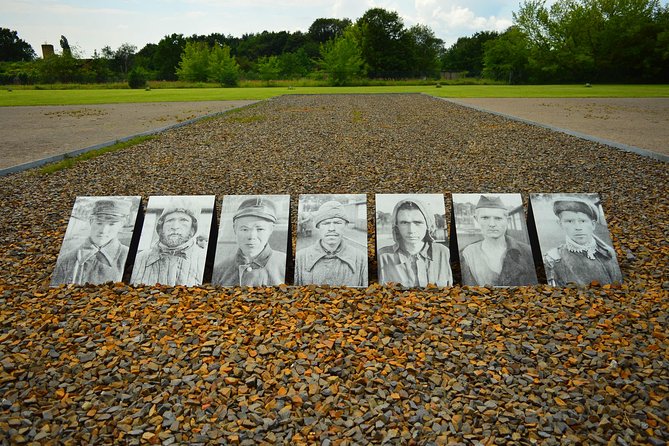
Berlin has no shortage of museums and memorials connected to the 20th century. Sachsenhausen is different because you are not only looking at documents behind glass. You walk through the grounds of a former concentration camp and see the physical layout that shaped prisoners’ daily lives.
The camp operated under the Nazi regime from 1936 to 1945. About 35,000 people died there during those years. After the war, the Soviet authorities reused Sachsenhausen as a special camp from 1945 to 1950, when another 12,500 people died.
That second chapter matters. A visit focused only on the Nazi period would leave out part of the site’s story. This tour explains how the camp was repurposed after 1945, helping you understand that liberation did not instantly make Sachsenhausen a place of justice or healing.
You should arrive ready for a sober experience. This is not a theatrical attraction, and the guide’s job is not to entertain you with easy answers. The strongest moments come from the facts, the surviving structures, and the quiet time you have to take in what happened there.
A few more bus tours around Berlin worth a look
- Berlin: Hop-on Hop-off Bus Tour with Live Commentary
★ 4.3 · 8,579 reviews - Berlin: Big Bus Hop-On Hop-Off Sightseeing Tour & Currywurst
★ 4.4 · 4,638 reviews - Berlin: City Sightseeing Hop-On Hop-Off Bus Tour
★ 4.1 · 4,233 reviews
Meeting at Friedrichstraße and riding to Oranienburg
The tour starts at Reichstagufer 17, close to Friedrichstraße Station, at 10 a.m. You need to arrive at least 15 minutes early. That is sensible advice here because a missed departure can ruin the entire day, and one person did report missing the coach after arriving late.
The operator provides a hired, air-conditioned bus and a driver. The coach takes you directly from central Berlin to Oranienburg, then brings you back to the same general meeting point. That is a real benefit. You avoid working out the regional train journey, local connections, and timing on your own.
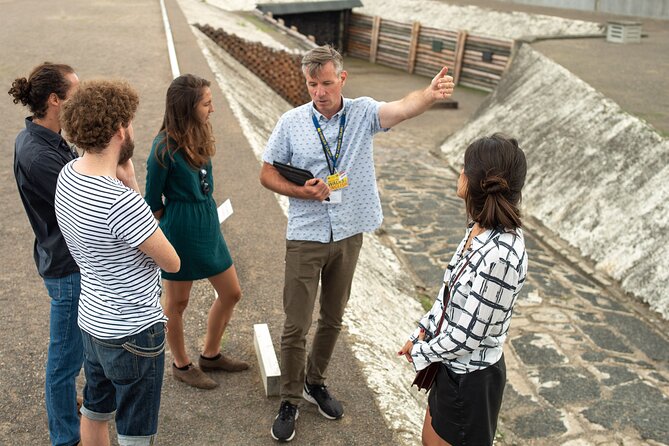
During the ride, your guide begins setting the scene. You hear about Sachsenhausen, the camp system, and the role of Oranienburg. The guide also points out places where prisoners worked in the town and discusses what local people knew about the camp system’s realities.
That introduction gives the site a wider setting. Sachsenhausen was not an isolated prison hidden from the world. Its relationship with the surrounding town is part of the history, and the ride lets you begin thinking about that before you enter the memorial.
The group size is limited. The tour information describes a group of no more than 25, while the additional details give a maximum of 28. Either way, this is smaller than a large coach outing, but it is not a private tour. A group of this size can make it easier to hear the guide, though you should still expect the pace to be shared with others.
Entering Tower A and seeing the camp layout
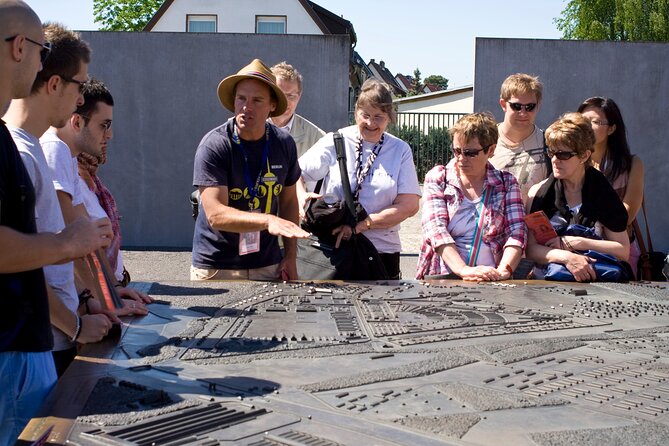
The guided walk takes you through the interior of what was designed under Heinrich Himmler as a modern, expandable concentration camp. That design is an important part of the story. Sachsenhausen was built as a model camp, intended to reflect the Nazi system’s order, control, and bureaucratic reach.
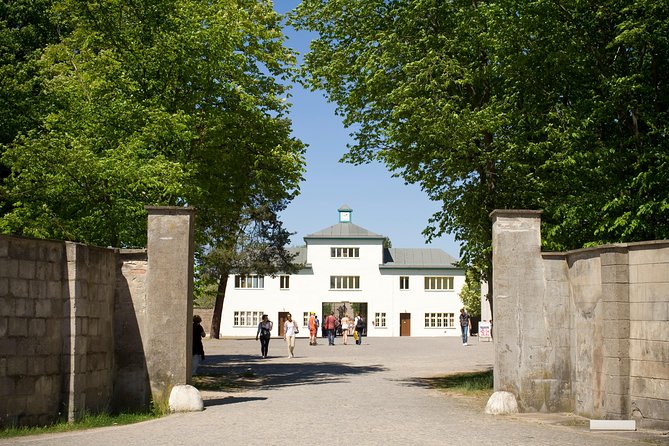
You enter through Tower A, where the words Arbeit Macht Frei remain visible on the gate. The phrase is one of the most recognizable symbols associated with Nazi camps, but seeing it in place carries a different force than seeing it in a photograph.
The guide leads you around the former camp area and explains how the site functioned. You visit the commandant’s house and see surviving areas connected with prisoner life and camp administration. The setting helps you understand the sharp divide between those who ran the camp and those imprisoned inside it.
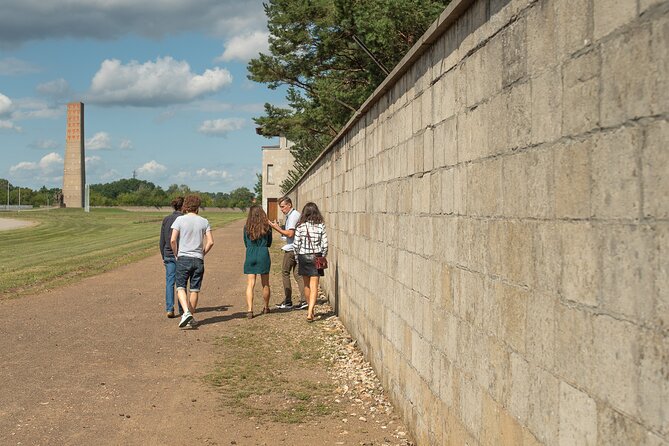
You will spend much of this section walking outdoors. The ground can feel exposed, and the weather matters. One visitor described the snow and cold as making the experience even more harrowing, while another noted that there is a lot of walking but found it manageable.
Wear shoes suited to walking and clothing suited to Berlin weather. The memorial is not a place where you can stay comfortable indoors for the whole visit. In winter, gloves and warm layers will make it easier to focus on the guide instead of the temperature.
The infirmary barracks and the human cost
The infirmary barracks are among the most difficult parts of the visit. The tour explains that medical experimentation took place there, connecting the physical rooms with the suffering imposed on prisoners.
You also hear about the wider death toll of around 35,000 during the Nazi period. Numbers can feel remote, so the guide’s explanation and the remaining structures help give those numbers a human setting. The experience is strongest when you allow time for the facts to register rather than rushing from one point to the next.
This is where guide quality matters most. Rebecca has been praised for handling the subject with clarity, respect, and care. Irish Paul has also been praised for presenting difficult material in a sensitive way, while Mikhail and Joseph have been singled out for making the history understandable without treating it lightly.
Hannah’s presentation has also left a strong impression, including personal family history connected with escape from Nazi Germany. That sort of story can add emotional context, but a good guide should use personal material carefully and keep the focus on the victims and the historical record.
You may find the visit emotionally heavy. One person who had been unsure about coming described still processing the experience afterward. That is not a warning against booking. It is a reminder to schedule some quiet time afterward instead of planning a packed afternoon of cheerful sightseeing.
Same place, a different way to ride:
- Berlin: East and West Hop-On Hop-Off Bus Tour
★ 4.2 · 2,195 reviews - Berlin: English Bus Tour to Sachsenhausen Concentration Camp
★ 4.9 · 1,380 reviews - Berlin: 1.5-Hour Comedy Bus Tour in German
★ 4.5 · 1,165 reviews - Berlin City Hop-on Hop-off Tour with Optional Cruise
★ 3.5 · 1,155 reviews
The Soviet special camp from 1945 to 1950
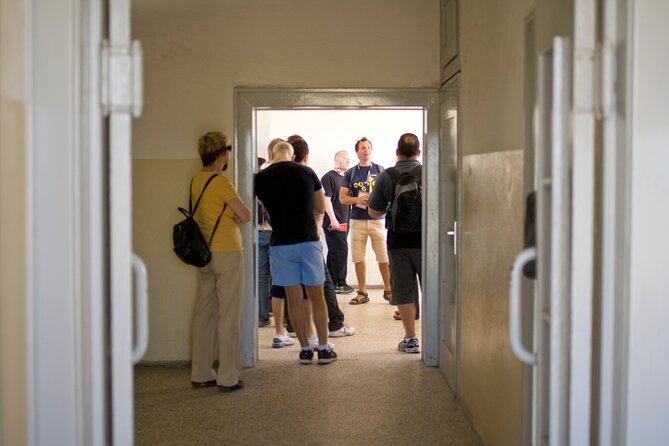
One of the tour’s most valuable features is its attention to the Soviet special camp. After World War II, the Soviet authorities used Sachsenhausen again from 1945 to 1950. About 12,500 people died during that period.
This later history can be overlooked when people think of Sachsenhausen only as a Nazi concentration camp. The tour explains what life was like for prisoners during those postwar years and shows how the site continued to be used as a place of confinement.
That wider time frame makes the visit more useful for understanding the complicated aftermath of the war. The end of Nazi rule did not erase the camp’s function overnight. You get a more complete account of the site instead of a story that stops at liberation.
The subject also requires careful explanation because the two periods were not identical. The tour’s value lies in showing both chapters while making clear that they belong to different political systems and historical circumstances.
What four hours really gives you
Four hours sounds generous until you include the meeting, coach ride, walking, guide commentary, and return to Berlin. In practice, this is a focused overview rather than a full day of independent research.
You should have time for the main locations and the guide’s explanation of the camp’s history. Several people have praised the amount of information and said the main points were covered well. Ariel, for example, has been praised for answering questions and allowing enough time to see the key areas.
The tradeoff is that you may not have much time to stop at every display or read all the individual biographies placed around the memorial. Two separate accounts point to this limitation. One described the visit as an express tour, while another felt the personal stories would have made the experience more individual and meaningful.
If you want a guided introduction and a clear route through the main parts of Sachsenhausen, four hours should work well. If you want to read every panel, study every testimony, and move at your own pace, you may prefer to visit independently by train.
This is not a criticism of the tour so much as a choice between two styles of visit. The guided option gives you structure, transport, and interpretation. An independent visit gives you more control over time.
The guides make or break the experience
The guide is the most important variable on this tour. The site itself is powerful, but a poor pace or unclear explanation can make the visit feel hurried. The strongest guide reports describe calm delivery, strong historical context, thoughtful answers, and respect for the subject.
Names that have received especially warm praise include:
- Hannah, for her remarkable knowledge, personal connection, and reassuring manner.
- Rebecca, for clarity, sensitivity, and helpful Berlin suggestions on the ride home.
- Ariel, for a steady pace, strong answers, and engaging explanations.
- Maria, for detailed historical coverage and a friendly presentation.
- Joseph, for linking the camp to Berlin’s social and political setting.
- Irish Paul, for explaining the material with care and useful context.
- Jamie S., for an informative and well-organized tour.
- Mikhail, Michal, Campbell, Klaus, and Georgia, who have also been praised for clear and respectful guiding.
Guides may vary, so you cannot book a particular personality from the information provided. That is worth remembering if one guide’s personal style appeals to you. The overall pattern suggests strong guide training, but one dissatisfied visitor felt rushed and heard too much about the limited schedule instead of enough detail about the camp.
Ask questions when the group pauses. You can also use the return ride to ask for Berlin tips. Rebecca, in particular, has been praised for speaking with people individually on the way back and offering ideas for food and places to visit.
Is $68.77 good value?
At $68.77 per person, this is not the cheapest possible way to visit Sachsenhausen. You are paying for more than entry, though. The price includes the return coach, driver, licensed guide, memorial admission, and a €3 donation to the Sachsenhausen memorial.
I think the value is strongest if you want someone else to handle the route and explain the site in context. The bus removes transport planning, and the guide helps you understand what you are seeing rather than simply walking through the grounds with a map.
The value is weaker if you already know the history well or want several hours to read the memorial’s displays independently. In that case, the shorter guided format may feel restrictive.
The high rating and 99 percent recommendation indicate that the tour works well for most people who want a structured visit. Still, price should be judged against your preferred pace. You are buying convenience and interpretation, not unlimited time.
Practical advice for a more comfortable visit
Bring a drink and a snack. Food and drinks are not included, and the schedule is long enough that you may want something simple during the day.
Plan for moderate physical effort. The tour is not recommended for people with limited mobility or walking impairments, and you will spend much of the memorial visit on foot. The information provided does not promise special mobility arrangements, so contact the operator before booking if this is a concern.
Arrive 15 minutes before the 10 a.m. departure. The meeting point is near public transportation, but you should still allow time to find Reichstagufer 17 and identify the group.
Dress for the season. Cold weather has made the visit more difficult for some people, and much of the tour takes place outdoors. Comfortable walking shoes are a practical must.
Finally, leave emotional breathing room afterward. You may return to Berlin with plenty of time left in the day, but that does not mean you will feel like rushing into another major attraction.
Who should book this Sachsenhausen tour?
Book it if you want a guided introduction to one of Berlin’s most important historical sites, prefer direct transport from central Berlin, and value a clear explanation of both the Nazi and Soviet periods.
It suits first-time visitors to Berlin, families with older children, history-minded people, and anyone who wants help understanding the site’s wider connection to the city. The guides are often praised for making difficult material clear without losing its seriousness.
Think twice if you need a slow, self-directed visit or want to read every personal account in detail. You may find the four-hour schedule too tight. Also think carefully about the physical and emotional demands. Sachsenhausen is an important place to visit, but it is not easy sightseeing.
Cancellation is free up to 24 hours before the start time. Changes or cancellations made less than 24 hours before departure are not refunded, and late arrival can mean missing the coach.
Should you book it?
I would book this tour if convenience and interpretation matter more to you than complete freedom inside the memorial. The direct coach, included entry, small group format, and strong record of careful guides make it a practical choice from Berlin.
Go in with the right expectation: this is a focused four-hour visit, not a full research day. You will see the main parts of Sachsenhausen, hear the history explained by a licensed guide, and come away with a clearer sense of how the camp operated under both Nazi and Soviet control.
If that balance suits you, $68.77 is a fair price for the transport and guidance. If you want to linger over every testimony, visit independently and give yourself more time.
FAQ
Where does the Sachsenhausen tour begin?
The tour begins at Reichstagufer 17, 10117 Berlin, near Friedrichstraße Station.
What time does the tour start?
The start time is 10 a.m. You should arrive at least 15 minutes before departure.
How long does the tour last?
The experience lasts approximately four hours, including transport between central Berlin and Oranienburg.
Is transport to Sachsenhausen included?
Yes. An air-conditioned coach takes you from central Berlin to Oranienburg and returns you to the meeting point in Berlin.
Is entry to Sachsenhausen included?
Yes. Admission to the Sachsenhausen Memorial is included, along with a €3 donation per person to the memorial.
Is food included?
No. Food and drinks are not included, so bring a snack and something to drink.
Is the tour suitable for people with limited mobility?
The tour is not recommended for people with limited mobility or walking impairments. A moderate level of physical fitness is advised.
Can I cancel for a full refund?
Yes, if you cancel at least 24 hours before the experience start time. Cancellations made less than 24 hours before departure are not refunded.
Just added around Berlin
- Big Bus Berlin Panoramic Night Tour by Open-Top Bus★ 3.5 · 10 reviews
- Sachsenhausen Concentration Camp Bus Tour★ 4.0 · 3 reviews
- Hop-on Hop-off Berlin Tour with Audio Guide★ 3.0 · 11 reviews
- Berlin Combo: Hop-On-Hop-Off Bus and Icebar Ticket★ 3.0 · 20 reviews
- Dresden: 10-Hour-Tour from Berlin by VW-Bus★ 5.0 · 5 reviews
- Berlin: Hop-On Hop-Off City Tour by Bus and Boat★ 4.4 · 488 reviews
- Potsdam: 5-Hour-Tour “Parks & Palaces” from Berlin by VW-Bus★ 5.0 · 17 reviews
- Christmas market lights tour bus through Berlin, free mulled wine (2.5 hours)★ 4.8 · 6 reviews
Berlin Bus Tours, compared.
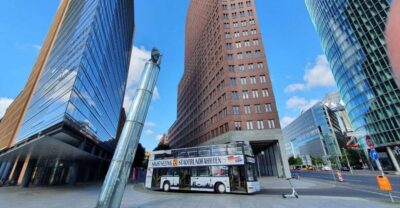
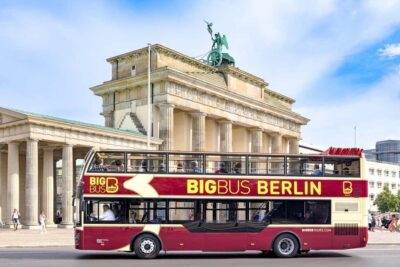
Big Bus Hop-On Hop-Off Sightseeing Tour & Currywurst
Read our review →

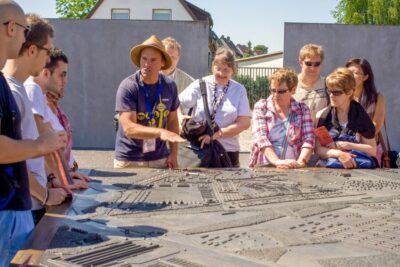
English Bus Tour to Sachsenhausen Concentration Camp
Read our review →
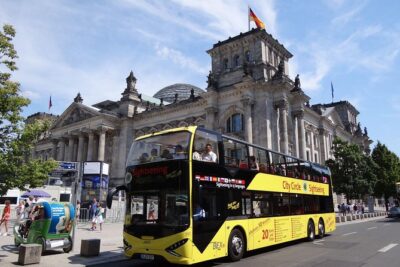
Berlin City Hop-on Hop-off Tour with Optional Cruise
Read our review →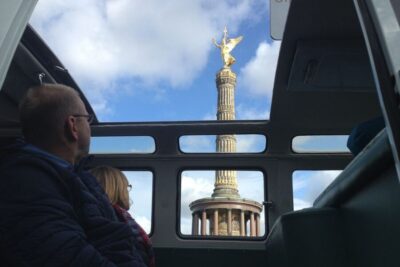
Sightseeing Tour in Classic Volkswagen T1 Samba Bus
Read our review →Browse the lists this tour appears in