

Review · VIETNAM
Sapa Trekking Tour 2 Days 1 Night By Bus
Sapa starts with a long ride. This two-day Sapa trek takes you from Hanoi to northern Vietnam’s mountain country by sleeper bus, then straight onto village trails and rice terraces. For $85, you get transport, meals, a guide, two lunches, and your choice of a homestay or hotel.
I like the chance to meet Black H’mong, Dao, and Dzay communities in their own villages, and I like the flexible overnight choices. A local homestay offers more contact with daily life, while a hotel gives you a private base and fewer surprises. The catch is time: the bus ride can stretch to eight hours, and the trekking is harder than the short duration suggests.
Key points to know before booking
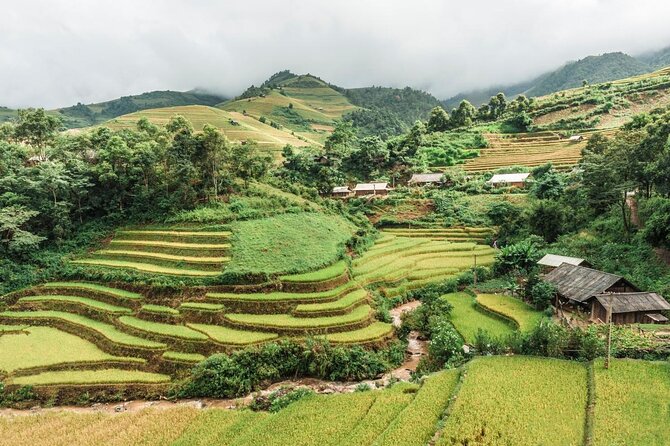
- 12-kilometer opening trek: The homestay option follows trails through Y Linh Ho and Lao Chai in the Muong Hoa Valley.
- Three ethnic communities: The route connects with Black H’mong, Dao, and Dzay villages, with guides explaining local culture.
- Sleeper bus from Hanoi: Hotel pickup begins around 6:30 a.m., with air conditioning and WiFi listed on board.
- Homestay or hotel choice: You can trade comfort for cultural contact, or choose a hotel-based version with a more familiar routine.
- Rough mountain paths: You need moderate fitness, sure footing, and comfort with long downhill sections.
- Cat Cat needs realistic expectations: It can feel highly commercial, with costume photography and many people selling crafts.
Hanoi to Sapa by sleeper bus
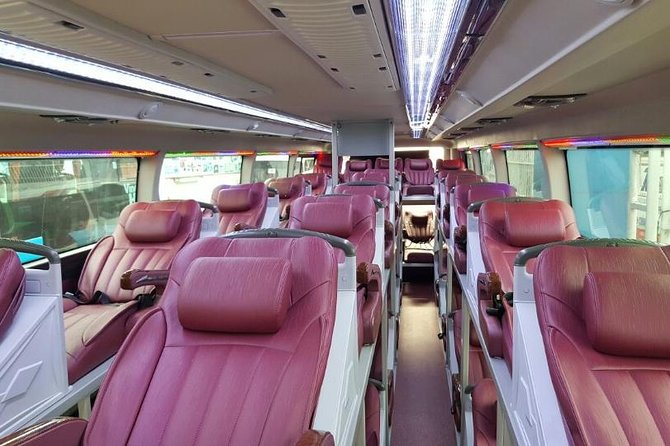
Your morning begins with pickup from your Hanoi Old Quarter hotel at about 6:30 a.m. A taxi transfers you to the bus station, where you board an air-conditioned sleeper bus for Sapa.
The advertised drive is roughly six hours, but allow more. One trip took about eight hours because the driver traveled slowly, with only one toilet stop after five hours. That is a long stretch, especially if you are not used to sleeper buses, so use the bathroom before departure and keep water, snacks, and tissues within reach.
The bus includes WiFi, according to the tour details, though service on a mountain route can vary. One useful point from the experience reports is that the return driver was better than the first. Bus trays were also found less than spotless, so I would carry hand sanitizer and avoid expecting luxury simply because the bus has reclining berths.
Still, the bus is a practical choice. A private transfer would cost far more, and the sleeper layout lets you rest instead of sitting upright for the entire road journey. The price includes the vehicle, taxes, and hotel pickup, which helps explain why $85 can be good value.
You arrive in Sapa around early afternoon, with one schedule giving a 1 p.m. arrival. From there, the route changes according to your overnight choice. Check which program you have selected before departure, since the hotel and homestay versions do not follow exactly the same sequence.
More Walks and Hikes in Hanoi:
- 2-Day Trekking Adventure of Sapa from Hanoi with Night Bus
★ 5.0 · 134 reviews - From Hanoi: 2-Day Sapa-Fansipan Peak & Trek & Ha Giang Bus
★ 4.8 · 52 reviews - From Hanoi: 1-day Sapa Trekking Tour With Overnight Bus
★ 4.2 · 32 reviews
The first afternoon: Muong Hoa Valley and Lao Chai
The homestay version begins around 2 p.m. with a 12-kilometer walk down the Muong Hoa Valley toward Lao Chai, a Black H’mong village. The trail also passes through Y Linh Ho.
This is the part of the trip that gives you the clearest sense of Sapa’s rural setting. You move along small mountain paths, with rice terraces and hills opening around you. The route is not a gentle stroll through town. Much of it runs downhill, and wet weather can make the ground slippery.
The distance matters. Twelve kilometers after a long bus ride is a serious first day, even though the route is downhill in sections. You should be comfortable walking for several hours and handling uneven ground. If you have knee trouble or rarely hike, this is the point to think carefully before booking.
The reward is a slower view of the valley. Rather than spending the entire afternoon in Sapa’s center, you reach villages where farming and household life remain central. Your local guide helps explain the customs and culture of the Black H’mong people. Guide Vu has received especially strong praise for sharing information about local culture and the area, while guides named Su, Koo, and Mu have also been singled out for friendly, helpful service.
The route may include lunch at a local restaurant, depending on the daily schedule. Two lunches are included overall, as well as breakfast and dinner. Food is part of the value here, since you do not need to arrange every meal yourself while moving between villages.
Homestay night with a Dzay family
The homestay option gives you a more personal evening than a standard hotel stay. After the first trek, you stay with a Dzay family and have dinner included.
The next morning begins early. At 6:30 a.m., you can watch the daily routine of the Dzay household, followed by breakfast with the family at 7:30. This is the most culturally direct part of the tour. You are not simply looking at village life from a trail. You are eating in a local home and seeing how the morning begins.
A homestay will not suit everyone. Standards are less predictable than in a hotel, and you should choose it for the cultural contact rather than private comfort. One particularly useful detail from this trip is the mention of a heated blanket, which proved welcome after trekking in the rain. That tells you something important about Sapa’s mountain weather: even when the calendar looks warm, damp conditions can make the night feel cold.
You also need to keep your luggage manageable. One account mentions that large luggage is handled during the trip, but you should still pack a small day bag with rain protection, dry clothing, and anything you need overnight.
The hotel option and its different rhythm

The hotel version gives you a more conventional base in Sapa. On the second morning, you have breakfast at the hotel, check out, and begin a trek at about 9 a.m.
The exact hotel category depends on the option you select. Choices range from a homestay to a five-star hotel, so the $85 starting price should not be treated as the price for every accommodation level. Read the selected option carefully before paying.
A hotel is the better choice if you want a private room, a later morning, or a predictable place to dry off after a wet walk. It also works well for families with a wide age range. One family group ranging from age 14 to over 80 found the trip accessible and well planned, though you should not take that as a promise that the trek will feel easy for everyone.
The hotel program is not simply the homestay program with a different bed. The schedule changes, and the listed notes specifically warn that the itinerary differs for the two options. Ask for the exact walking route before departure if you need to manage your energy carefully.
More Evening Experiences in Hanoi:
- 2-Night Sapa Tour with Fansipan Peak by Bus from Hanoi
★ 4.5 · 23 reviews - Sapa trekking 2days by bus from Hanoi ( over night in homestay)
★ 5.0 · 21 reviews - Sapa – Bac Ha Trek Tour – Night Train & Bus & Homestay overnight
★ 5.0 · 6 reviews - Sapa 2 Days 1 Night Tour From Hanoi By Bus (Hotel Overnight)
★ 3.0 · 5 reviews
Day two: more villages, more walking

The second day continues through the Sapa area, with a trek listed at about 12 kilometers for the hotel option and roughly 6 to 8 kilometers for the homestay option. The route includes the Hoang Lien Son area in the broader Sapa region, with village stops such as Giang Ta Chai and Su Pan included in the overall program.
This creates a useful contrast with the first afternoon. You are not repeating the same road between Sapa and one village. The trip gives you two separate walking days, with chances to see different communities and sections of the valley.
The route can be physically demanding. One person described rough ground and relied on local women for extra help along the trail. That detail should shape your packing: wear shoes with solid grip, keep your hands free, and do not bring a hard-sided suitcase onto the walking sections.
The program also includes a waterfall stop, where you can swim. That is a welcome change after the walking, but it depends on weather and conditions. Bring a swimsuit and a small towel if you want the option. The tour is weather-dependent, and bad conditions can lead to a different date or a full refund.
Cat Cat Village: worth it or too commercial?

Cat Cat is part of the broader Sapa program, but it deserves a warning. The village is easy to photograph and often included in standard Sapa routes, yet it can feel more like a staged attraction than a quiet rural settlement.
The main complaints concern traditional costume rentals, large numbers of people taking photos, and persistent craft sellers. If your goal is a peaceful walk through village life, Cat Cat may disappoint. If you want a simple introduction to H’mong culture, waterfalls, and mountain scenery close to Sapa, it can still have value.
I would treat Cat Cat as the least authentic stop and give more weight to the Muong Hoa Valley, Lao Chai, Giang Ta Chai, and Su Pan sections. Ask your guide how much time will be spent at Cat Cat and whether the daily route can be adjusted. The schedule may not allow a major change, but asking early helps set expectations.
What the $85 price really covers
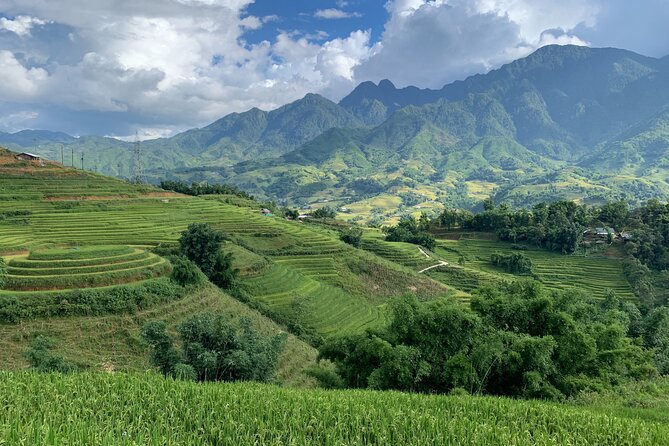
At $85 per person, this tour bundles several costs that can add up quickly: Hanoi hotel pickup, sleeper bus transport, local guiding, accommodation, breakfast, dinner, two lunches, entrance fees, and taxes. For a small group capped at 15 people, that is a reasonable package price.
The value is strongest if you want an organized trip from Hanoi and do not want to arrange bus tickets, village transport, a guide, meals, and accommodation separately. It also suits a first visit to Sapa, since the guide handles the movement between the town and rural areas.
The value is weaker if you want a slow trek. The bus consumes much of day one, and one night is barely enough for the region. Several people wished they had booked two nights. With only one night, you get a taste of Sapa rather than a relaxed stay.
You should also confirm the hotel category, luggage handling, and exact route included with your chosen accommodation. The price varies in practical value depending on whether you sleep at a basic homestay, a standard hotel, or a higher-end property.
Group size, guides, and the cultural side
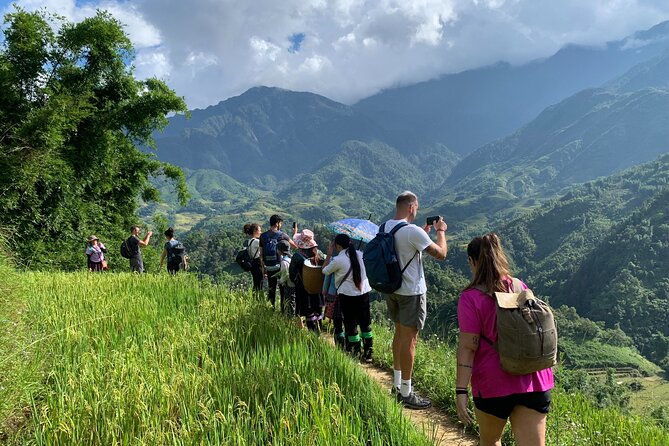
The group limit is 15 people, which is small enough for a guide to keep an eye on the walking pace without promising a private tour. Your experience will depend heavily on the guide. The strongest part of the trip is the local explanation of customs, village life, and the communities you pass through.
Guides such as Vu have been praised for careful planning and cultural knowledge. Su is described as helpful and well organized, Koo as excellent on the rough trails, and Mu as relaxed and friendly. These details matter because a mountain walk can feel very different when your guide explains what you are seeing rather than simply leading the way.
You should also prepare for frequent craft selling along the trail. Local women may follow the group for much of the walk, hoping to sell handmade goods. Some people enjoy meeting them and buying a small item. Others find the attention tiring. Carry small cash only if you want to shop, and remember that buying is optional.
Who should book this Sapa trip?
I would recommend it to you if you want a quick introduction to Sapa, prefer a guided route, and enjoy walking through rural areas more than spending your time in town. It is also a sensible choice if you want transport and meals organized from Hanoi.
Families can make it work, particularly with the hotel option, but each person needs to manage moderate physical activity. Older family members may find the uneven trails tiring, even if they are generally fit.
I would not choose this tour if you dislike long bus journeys, want a private itinerary, or expect every village stop to feel untouched. I would also avoid it if you want leisurely photography time. The schedule packs a lot into two days, and the return to Hanoi limits how long you can linger.
Book at least 24 hours before departure if you need the full refund option. Cancellations inside 24 hours are not refunded, and poor weather can lead to a new date or a full refund.
Should you book the 2-day Sapa trek?
Book it if you want good value and a clear first taste of Sapa. The strongest elements are the local guides, the Muong Hoa Valley walks, the ethnic village visits, and the choice between a homestay and hotel.
Choose the homestay for the Dzay family breakfast and closer contact with local life. Choose the hotel if comfort, privacy, or a gentler morning matters more. If you can spare another night, I would prefer that version, since the bus ride and two long walking days make this schedule feel compressed.
Go in with sturdy shoes, modest expectations for Cat Cat, and patience for the bus. Do that, and this is an affordable way to see far more than Sapa’s town streets.
FAQ
How long is the Sapa trekking tour?
The tour lasts approximately two days and one night, with the first day beginning around 6:30 a.m. in Hanoi.
How do you travel from Hanoi to Sapa?
You travel by air-conditioned sleeper bus. Pickup is offered from hotels in Hanoi’s Old Quarter, followed by a taxi transfer to the bus station.
What accommodation choices are available?
You can select an overnight homestay or a hotel option. The hotel choices may range from standard accommodation to a five-star hotel, depending on the option selected.
Which villages are included?
The program includes villages connected with the Black H’mong, Dao, and Dzay people. Stops and walking routes include Lao Chai, Y Linh Ho, Giang Ta Chai, Su Pan, and Cat Cat.
How much walking is involved?
The homestay option includes a 12-kilometer trek on the first afternoon and a 6 to 8-kilometer trek on the second day. The hotel option lists a 12-kilometer trek on the second day.
Is the tour suitable for all fitness levels?
No. You should have a moderate level of physical fitness because the trails can be rough, uneven, and demanding.
What is included in the price?
The package includes breakfast, dinner, two lunches, the sleeper bus, onboard WiFi, all fees and taxes, accommodation based on your chosen option, and the guided tour services described in the program.
More 2-Day Experiences in Hanoi
- From Hanoi: 2-Day Sapa Limo Bus Tour & Fansipan Peak Visit
★ 4.6 · 277 reviews - From Hanoi: 2D1N Ha Long Bay Deluxe Cruise with Bus Limousine
★ 5.0 · 185 reviews - Sapa 2D1N All Included (Bus & Homestay)
★ 4.5 · 8 reviews - From Hanoi: Sapa 2D1N Homestay overnight by Morning bus
★ 4.8 · 8 reviews
Just added around Hanoi
- Vietnam Day Trips All-Inclusive, Bus, Guide, Meals & Activities★ 4.5 · 8 reviews
- Sapa trekking 2days by bus from Hanoi ( over night in homestay)★ 5.0 · 21 reviews
- 2-Day Trekking in Sa Pa from Ha Noi by sleeping bus★ 5.0 · 4 reviews
- Sapa 3-day Discovery Package Tour By Bus with 1 Night Homestay 1 Night Hotel★ 3.5 · 3 reviews
- From Hanoi: 2D1N Ha Long Bay Deluxe Cruise with Bus Limousine★ 5.0 · 185 reviews
- Sleeping bus Ninh Binh to Hue★ 4.0 · 5 reviews
- Sapa Hard Trekking by Bus for 2 days★ 5.0 · 3 reviews
- Sapa Trekking 3 Days 2 Nights by Bus – Homestay & Hotel★ 3.5 · 2 reviews
Hiking & Trekking, compared.

From Pompeii: Mount Vesuvius Hike & Tour by Bus
Read our review →
2-Day Trekking Adventure of Sapa from Hanoi with Night Bus
Read our review →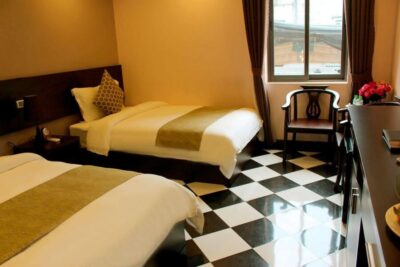



Sapa trekking 2days by bus from Hanoi ( over night in homestay)
Read our review →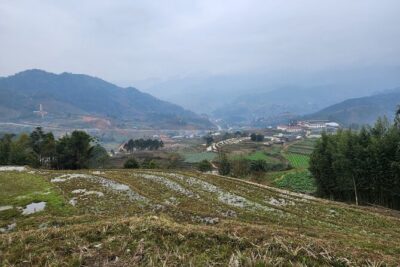
Sapa – Bac Ha Trek Tour – Night Train & Bus & Homestay overnight
Read our review →
Sapa 2D1N Trekking to Giang Ta Chai Village from Hanoi by Bus
Read our review →Browse the lists this tour appears in