
Review · JAPAN
Peaceful Hiroshima & Miyajima UNESCO 1 Day Bus Tour
Two sides of Hiroshima meet in one day. This eight-hour tour pairs the sobering Atomic Bomb Dome and Peace Memorial Museum with Miyajima’s beautiful shrine, temple, deer, and sea views. I like the efficient route, the included ferry and admissions, and the guides who bring warmth and clear explanations to a serious subject.
I also like the practical mix of transport: an air-conditioned coach, the short ferry crossing, and a multilingual audio guide on the bus. The main drawback is time. You see a lot, but the schedule leaves limited room for wandering, shopping, or a long look at Miyajima’s many side paths. The Peace Memorial Museum can also feel crowded and difficult for anyone sensitive to confined spaces.
The day costs $129.25 per person, with lunch optional. That is fair value if you want Hiroshima’s major sights without arranging buses, trains, ferry tickets, and admissions yourself. It is less attractive if you prefer slow visits or already know how to navigate Hiroshima independently.
Key points to know before booking
- The morning is emotionally heavy: The Atomic Bomb Dome, Peace Memorial Park, and Peace Memorial Museum give Hiroshima’s wartime story a direct, human focus.
- Miyajima changes the mood: Itsukushima Shrine, the famous red torii, and Daishoin Temple offer a gentler afternoon of scenery and religious culture.
- Rino, Marin, Momiji, and Mo receive especially warm praise: Their energy, organization, humor, and clear English help keep a demanding day on track.
- Ferry tickets and entrance fees are included: You do not need to manage separate tickets for the ferry, museum, or Itsukushima Shrine.
- Lunch is optional: The included option features Hiroshima-style okonomiyaki, with a vegetarian choice available, but serious allergy sufferers should skip the provided meal.
- Plan your evening carefully: The bus returns to its meeting point, and you should not book a Shinkansen before 6:30 p.m.
Starting near Hiroshima Station at 10 a.m.
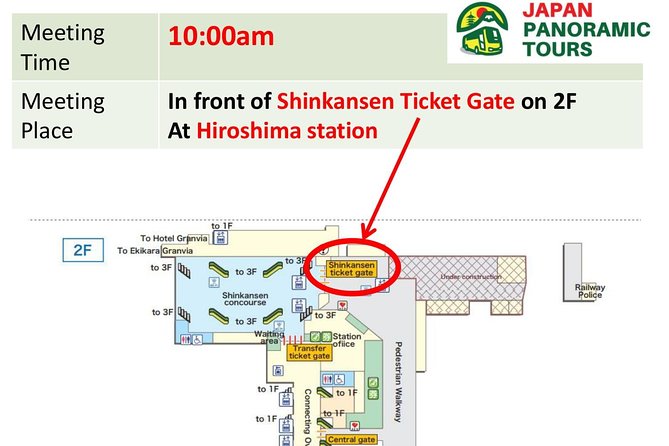
The meeting point is at Currency Exchange Japan near Hiroshima Station, at 1 Matsubaracho, Minami Ward. The tour starts at 10 a.m. and ends back at the same meeting point.
That location is useful if you are staying near the station or arriving by train. Hotel pickup and drop-off are not included, so allow enough time to find the meeting point. The strict departure rule matters: if you arrive late, you cannot join the group halfway through the day, and late arrival does not qualify for a refund.
The coach is air-conditioned and offers free Wi-Fi. A multilingual audio system provides commentary in English, French, Spanish, Italian, German, Portuguese, and Ukrainian, while the local guide adds live explanations and helps with the practical details.
The group can reach up to 45 people. That is a fairly large coach group, but the guides praised most often, including Rino, Marin, Momiji, and Mo, seem to make an effort to speak with individuals, manage meeting times, and keep the day friendly rather than mechanical.
More One-Day Trips in Japan:
- Mt Fuji and Hakone 1-Day Bus Tour Return by Bullet Train
★ 5.0 · 26,383 reviews - 1-Day Tokyo Bus Tour
★ 5.0 · 14,250 reviews - PERFECT KYOTO 1-Day Bus Tour
★ 5.0 · 13,518 reviews
Hiroshima Castle and the city’s earlier story
The day includes a stop at Hiroshima Castle, a building first constructed in 1589. The visit focuses on the main building, rather than the smaller defensive structures once used to protect the castle.
You should think of this as a short orientation stop, not a full castle visit. The point is to see a piece of Hiroshima’s prewar and feudal past before moving to the events of 1945. The contrast helps place the city’s wartime story in a longer timeline.
Because the schedule is full, do not expect a long exploration of the grounds or a detailed visit to every small structure. If castles are your main interest, you may want to return independently. For most people, though, this brief stop adds useful context without taking too much time from the peace memorial sites and Miyajima.
The Atomic Bomb Dome and Peace Memorial Park
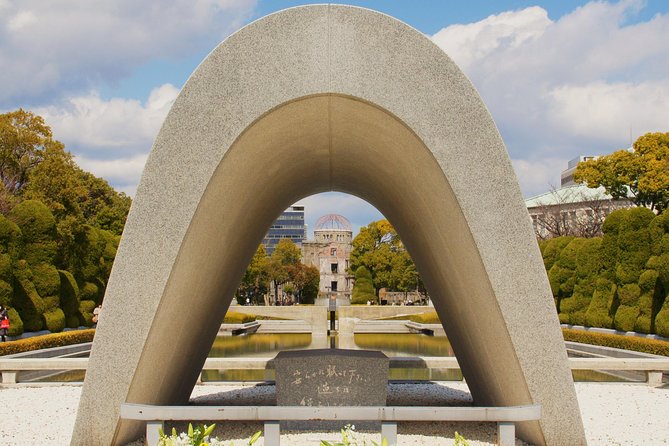
The Atomic Bomb Dome is one of Hiroshima’s most powerful sights because it is not polished or rebuilt. The ruined structure was once the Hiroshima Prefectural Industrial Promotion Hall and stood near the center of the atomic blast on August 6, 1945.
The stop here lasts about 15 minutes. That is enough to see the exterior, listen to the guide, and take in the structure’s stark shape. It is not enough for a long, quiet examination, especially if the group is moving on schedule.
From there, you spend about 35 minutes in Hiroshima Peace Memorial Park. The park contains monuments dedicated to those who died in the bombing, including the Atomic Bomb Dome and the Children’s Peace Monument. The open setting gives you a little breathing room before entering the museum.
I appreciate the way this part of the day is handled when the guide sets a respectful tone without turning the visit into a lecture. Several guides, especially Rino, Marin, and Momiji, are praised for explaining the subject clearly while allowing people space to process what they see.
One hour inside the Peace Memorial Museum
The Peace Memorial Museum is the emotional center of the Hiroshima portion. It opened to the public in 1954 and presents personal accounts, photographs, and objects connected with the bombing and its aftermath.
Admission is included, and the scheduled visit lasts about one hour. That gives you time to see the main exhibits, but the subject is difficult and the museum can become crowded. One visitor described the route through the exhibits as tightly packed, with little room to turn around. If you are uncomfortable in crowds or enclosed museum spaces, prepare yourself and stay aware of the group meeting instructions.
The museum is not a light sightseeing stop. You may find the personal stories and artifacts especially upsetting. That is also why this visit matters. The displays connect a vast historical event to ordinary people, families, and children.
The order can change. Some departures visit the museum early, while others place it later in the day to manage crowds or traffic. One of the more practical strengths of the guides is their willingness to adjust the sequence when conditions make that sensible.
A few more bus tours around Japan worth a look
- Kyoto: Fushimi Inari, Kinkakuji, Bamboo Grove 1 Day Bus Tour
★ 4.8 · 4,316 reviews - Tokyo: Meiji Shrine, Asakusa, Skytree Bus Tour and Cruise
★ 4.7 · 1,986 reviews - Mt Fuji & Hakone Cruise, Drum Show Bus 1 Day from Tokyo
★ 4.0 · 1,287 reviews - Kyoto/Osaka: Nara, Fushimi Inari Taisha, Arashiyama Bus Tour
★ 4.7 · 1,275 reviews
Crossing the water to Miyajima
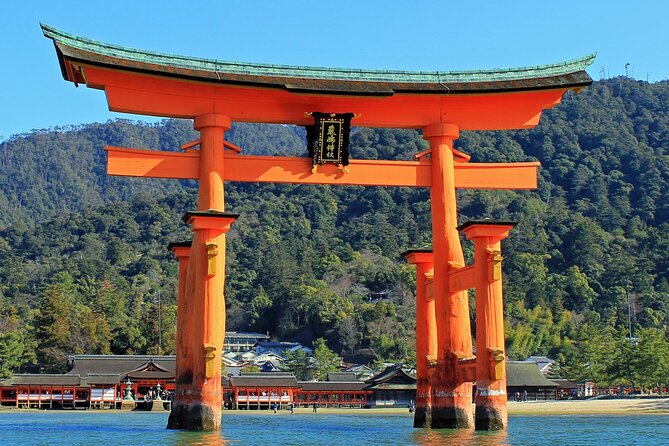
The ferry ride to Miyajima takes about 20 minutes, and the return ticket is included. This is one of the day’s welcome changes in pace. After the serious memorial sites, the water crossing gives you time to reset before reaching the island.
Miyajima is officially known as Itsukushima, and the island is associated with sacred ground. Itsukushima Shrine was founded in 593, while much of the structure seen today dates from rebuilding carried out in 1168 under Taira no Kiyomori.
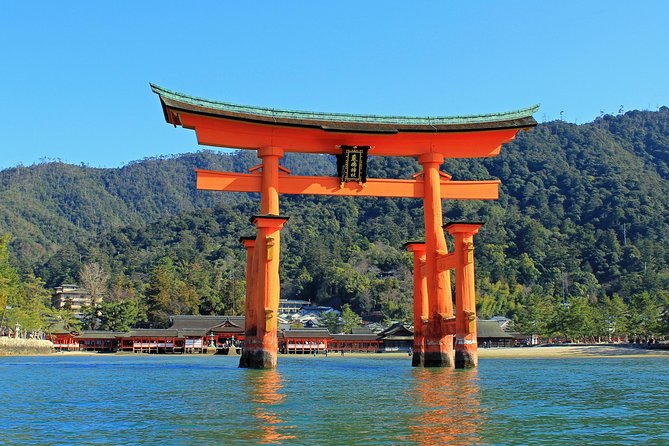
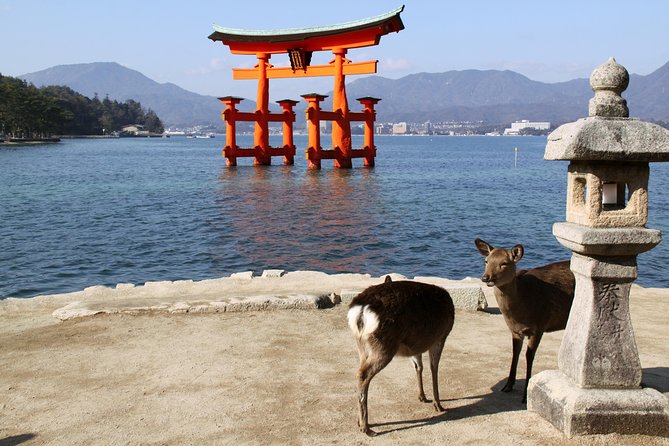
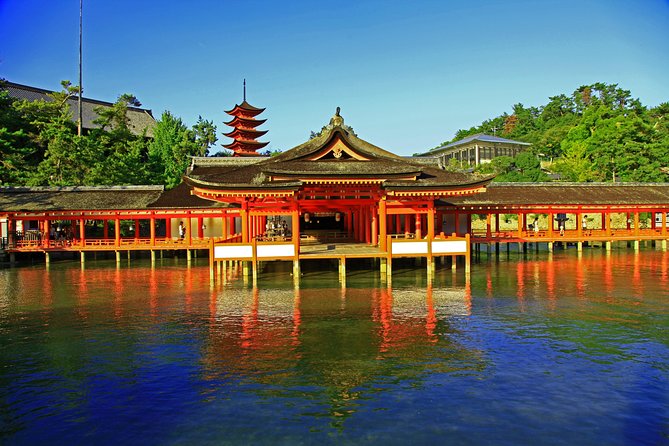
The island’s best-known image is the large red torii that appears to float offshore at high tide. Conditions and tide levels affect exactly how it looks, so do not expect the same photograph in every season or at every hour. The shrine itself is built over the water, reflecting the old belief that the island was associated with a goddess and should not be treated like ordinary land.
The ferry and shrine admissions are already covered, which removes two small but annoying pieces of planning. You still need to stay close to the guide and watch the time, because Miyajima has more to see than this tour can fit into one afternoon.
Miyajima lunch and Hiroshima-style okonomiyaki
If you select the lunch option, the meal takes place on Miyajima and includes Hiroshima-style okonomiyaki. This version differs from the Osaka style because the ingredients are layered rather than mixed together, creating a substantial local meal.
Several people found the lunch a welcome part of the day, especially after the museum visit. It gives the group a shared pause and lets you sample a regional specialty without choosing a restaurant under time pressure.
The vegetarian meal contains no pork or seafood, but it does include eggs and gluten. There is no allergy-free meal. If you have a serious allergy, choose the no-lunch option and bring your own food.
Skipping lunch may suit you if you want to sample snacks and small dishes around the island instead. One useful tip is to keep your food plans flexible: the organized meal is easier, while independent eating gives you more choice but less time.
Itsukushima Shrine and the famous torii
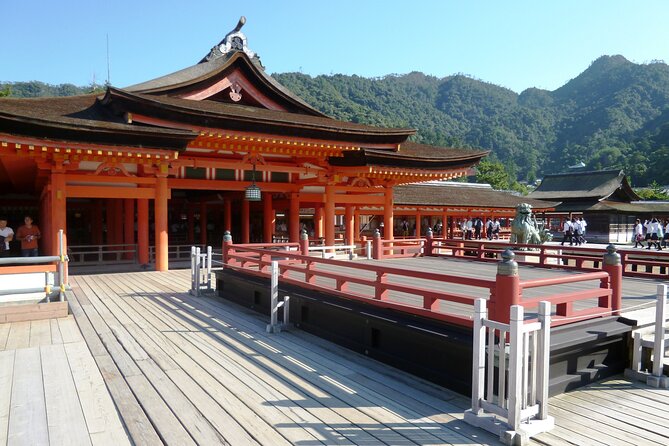
The visit to Itsukushima Shrine lasts about 50 minutes. The shrine’s walkways, red-painted posts, and position over the water make it one of Japan’s most recognizable religious sites.
This is a guided visit, so you receive the basic story of the shrine’s founding and rebuilding rather than simply taking photographs and moving on. The guide can also help explain why the buildings were placed over the sea and how the island’s sacred status shaped the design.
The main limitation is the schedule. You have enough time to see the key areas, but not enough to linger over every view or wait for the ideal light. The torii may also be surrounded by other visitors, particularly during busy periods. Still, the stop works well as the visual high point of the afternoon.
Remember that Miyajima is not only a photo stop. The shrine is an active religious site, and a little patience and quiet observation will add more to the visit than rushing from one picture to the next.
Daishoin Temple, deer, and the quieter side of the island
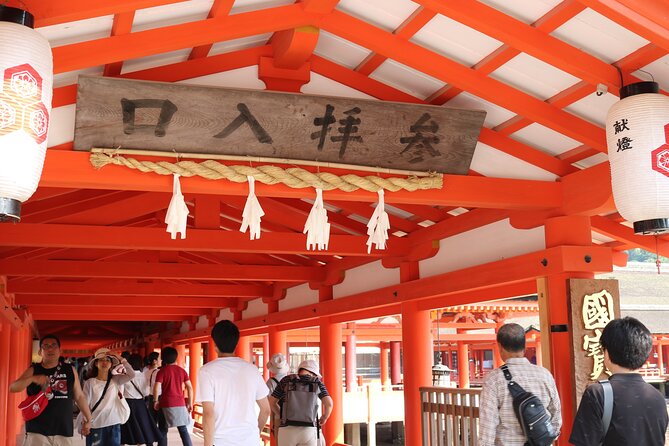
The final major stop is Daishoin Temple, with about 30 minutes to explore. The temple is known for rows of Jizo guardian figures dressed in bright colors, small Buddha statues, and many lanterns.
It feels different from Itsukushima Shrine. The shrine is open, formal, and closely tied to the sea, while Daishoin offers a more intimate collection of religious details. You may find yourself noticing small figures and decorations rather than one giant landmark.
Miyajima’s deer also add to the island’s character. They are often gentle, but one report warns that some can be surprisingly pushy. Keep maps, food, and loose paper away from curious animals.
The walk between the ferry, shrine, temple, and other areas requires a moderate level of fitness. One older visitor found the distance to the shrine tiring. If long walks are hard for you, wear supportive shoes and ask the guide early about the day’s walking pattern.
Why the guides matter on this particular tour
A good guide makes a major difference here because the day covers two very different subjects. You need sensitivity at the peace memorial sites, then clear timing and energy on Miyajima.
Rino is repeatedly praised for her friendly manner, strong English, useful food suggestions, and ability to speak with each person in the group. Marin receives similar praise for enthusiasm, humor, organization, and keeping teenagers interested. Momiji is noted for her detailed explanations, local pride, Japanese language tips, and even taking good photographs. Mo is praised for going beyond the basic commentary and teaching a few Japanese words.
Guide assignments can change, so you cannot request that a particular person lead your departure unless the operator confirms it. The important point is the general style: warm, active guiding rather than a silent bus transfer.
The audio system is a useful backup, especially when the guide is speaking to the full group or you want to replay a fact on the coach. It does not replace the live guide’s help with meeting points, meal arrangements, and unexpected changes.
Is $129.25 good value?
At $129.25, this is not the cheapest way to see Hiroshima. You pay for convenience, a full day of transport, a local English-speaking guide, audio commentary, the ferry, the museum, and Itsukushima Shrine.
The value is strongest if you have only one day in Hiroshima or do not want to work out the route yourself. The coach links sites that would otherwise require a mix of local transport, walking, ferry planning, and timed admissions. The included tickets also make the final price easier to understand.
The value is weaker if you are staying several days and enjoy setting your own pace. You may prefer a longer museum visit, extra time on Miyajima, or a separate day for Hiroshima Castle. A group of up to 45 people also means the experience will not feel private.
The five-star score from more than 5,300 ratings is unusually strong, but the practical reasons behind that rating matter more than the number. The tour works because it solves a real problem: fitting Hiroshima’s major memorial sites and Miyajima into a single organized day.
Who should book this day tour?
I would choose this tour if you want a clear introduction to Hiroshima and Miyajima, especially during a short stay. It suits first-time visitors, families with older children or teenagers, and anyone who values help with transport and timing.
It also suits people who want the Hiroshima memorial sites explained in context. The combination of a local guide and museum visit can make the subject easier to approach respectfully.
I would hesitate if you dislike group travel, need a quiet museum experience, have limited walking ability, or want several hours for independent food and shopping stops. The itinerary is full, and the tour cannot pause for every personal interest.
The tour may also be difficult for anyone with a severe food allergy unless they choose the no-lunch option. Finally, do not schedule a post-tour Shinkansen too early. The operator advises booking after 6:30 p.m. because traffic and itinerary changes can affect the return.
Should you book the Hiroshima and Miyajima bus tour?
Book it if you want maximum coverage in one day. You will see Hiroshima’s most important peace sites, ride the ferry, visit Itsukushima Shrine and Daishoin, and receive useful context without handling every ticket and transfer yourself.
Skip it if your ideal day involves lingering, wandering, or returning to one site for a deeper visit. For everyone else, the $129.25 price is reasonable for the amount of ground covered, particularly when the ferry and admissions are included.
The best version of this day comes with comfortable shoes, realistic expectations about the museum, and a careful eye on the meeting times. It is a serious morning, a beautiful afternoon, and a practical way to understand why Hiroshima and Miyajima belong together on a first visit.
FAQ
How long does the Hiroshima and Miyajima tour last?
The tour lasts approximately eight hours. It starts at 10 a.m. and returns to the original meeting point.
Where does the tour begin and end?
It begins at Currency Exchange Japan near Hiroshima Station, at 1 Matsubaracho, Minami Ward, Hiroshima. The tour ends back at the same meeting point.
Are ferry tickets and entrance fees included?
Yes. The tour includes round-trip ferry travel, admission to the Hiroshima Peace Memorial Museum, admission to Miyajima Island, and admission to Itsukushima Shrine.
Is lunch included?
Lunch is included only if you select the lunch option. The meal features Hiroshima-style okonomiyaki. A vegetarian option contains no pork or seafood, but it does contain eggs and gluten.
Can people with severe food allergies eat the provided lunch?
No allergy-free lunch is available. If you have a severe allergy, choose the option without lunch and bring your own food.
Is an audio guide available in languages other than English?
Yes. Audio guidance on the bus is available in English, French, Spanish, Italian, German, Portuguese, and Ukrainian.
Can I take a Shinkansen after the tour?
Yes, but you should purchase the ticket after the tour on the day itself or book a departure after 6:30 p.m. The tour can be affected by traffic, weather, and changes to the visiting order.
Just added around Japan
- Kyoto Sagano Romantic Train in Arashiyama Bus Tour★ 3.0 · 6 reviews
- NARUTO & BORUTO at Nijigen no Mori Park Entry& Bus Transportation★ 3.0 · 3 reviews
- Kyoto 1 Day Golden Route Bus Tour★ 5.0 · 15 reviews
- From Kyoto: Nara History Guided Half Day Bus Tour with lunch★ 5.0 · 23 reviews
- Kyoto Hop-On, Hop-Off Sightseeing Bus Tour★ 3.0 · 5 reviews
- Amanohashidate & Miyama 1-Day Bus Tour: From Osaka/Kyoto w/ Lunch★ 4.5 · 18 reviews
- Full Day Hiroshima and Miyajima Bus Tour★ 5.0 · 12 reviews
- Hiroshima, Miyajima 1 Day Bus with Indian Lunch from Osaka, Kyoto★ 5.0 · 7 reviews
Japan Bus Tours, compared.

Mt Fuji and Hakone 1-Day Bus Tour Return by Bullet Train
Read our review →
Fushimi Inari, Kinkakuji, Bamboo Grove 1 Day Bus Tour
Read our review →
Meiji Shrine, Asakusa, Skytree Bus Tour and Cruise
Read our review →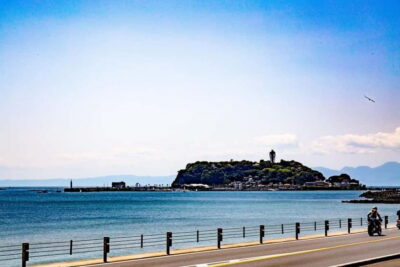
Kamakura & Enoshima Day Trip including Temple Tickets
Read our review →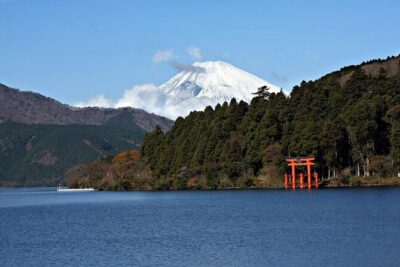
Mt Fuji & Hakone Cruise, Drum Show Bus 1 Day from Tokyo
Read our review →
Kyoto/Osaka: Nara, Fushimi Inari Taisha, Arashiyama Bus Tour
Read our review →Browse the lists this tour appears in