
Review · JAPAN
Tokyo: Meiji Shrine, Asakusa, Skytree Bus Tour and Cruise
Tokyo is easier when someone else handles the map. This 10-hour coach tour links Meiji Shrine, the Imperial Palace, Asakusa, Tokyo Skytree, and Odaiba in one long day, with an English-speaking guide adding cultural context along the way. I like the air-conditioned bus, especially in Tokyo’s hot or wet months, and I like the mix of old Japan, modern Tokyo, food, shopping, and city views.
The tour also gives you two pleasant extras: a proper matcha experience in Asakusa and skip-the-line entry to the 350-meter Tokyo Skytree Tembo Deck. The main caution is pace. You may walk more than expected, with one recent participant recording over 11,000 steps, and the schedule leaves little room for lingering at every stop.
The $122 price is easiest to justify if you have only one or two days in Tokyo. You get transport across a huge city, a guide, Skytree admission, matcha, and lunch if selected. Still, check the meeting point carefully, and remember that the bay cruise can be replaced by Hamarikyu Garden or the Fukagawa Edo Museum without a refund.
Key points to know before booking
- A full Tokyo sampler in one day: You cover traditional shrines, imperial landmarks, electronics districts, Asakusa, Skytree, and Odaiba.
- The bus saves time and energy: Air conditioning, onboard Wi-Fi, and transport between far-flung districts keep you off crowded trains for much of the day.
- Asakusa includes more than photos: You get matcha, an optional Japanese pub-style lunch, Nakamise shopping street, and time around Senso-ji and Kaminarimon Gate.
- The guides make the difference: Guides such as Aya, Sora, Yui, Hiro, Levin, and Tsubasa have been praised for clear explanations, humor, local tips, and calm organization.
- Expect a brisk walking day: Comfortable shoes are essential, and the tour is not suitable for people with mobility impairments.
- The cruise is not guaranteed: High tide or technical maintenance can lead to a visit to Hamarikyu Garden or the Fukagawa Edo Museum instead.
Why this tour works for first-time Tokyo visitors
Tokyo is not one compact sightseeing district. Meiji Shrine sits west of the center, Asakusa is across town, Skytree rises farther east, and Odaiba is out in Tokyo Bay. Seeing all of them independently in one day means dealing with several train lines, station walks, transfers, ticket queues, and a constant need to watch the clock.
This tour solves that problem with a coach and a fixed route. You can look out the window as you pass Kabukicho, Harajuku, Omotesando, Akihabara, Ueno, and Kappabashi, rather than spending the whole day underground. The tradeoff is control. You will see many places, but you will not have the freedom to set your own pace.
I see this as a strong orientation day. The tour helps you learn how Tokyo fits together, then you can return later to the areas that caught your interest. Several guides also give practical advice about restaurants, shopping, temple customs, and navigating the city, which adds value beyond simple sightseeing.
The day begins at a central meeting point, with options listed around Matsuya Ginza or the Love statue in Shinjuku, depending on the booking. The information also lists Tokyo Mode Gakuen as the ending point. Confirm your exact location and time before setting out, since a wrong assumption here could mean missing the coach.
A few more bus tours around Tokyo worth a look
- Mt Fuji and Hakone 1-Day Bus Tour Return by Bullet Train
★ 5.0 · 26,383 reviews - 1-Day Tokyo Bus Tour
★ 5.0 · 14,250 reviews - Mt Fuji & Hakone Cruise, Drum Show Bus 1 Day from Tokyo
★ 4.0 · 1,287 reviews
Meiji Shrine: a calm opening in the forest
The first major stop is Meiji Jingu, the Shinto shrine dedicated to Emperor Meiji and Empress Shoken. It is surrounded by a broad wooded area, so the change from Tokyo streets to shaded paths is striking.
You have about an hour for sightseeing. That gives you time to walk through the grounds, see the shrine approach, and learn basic Shinto customs from the guide. You may be shown how to behave at the shrine, including the simple steps for praying and cleansing.
This stop is more about atmosphere and ritual than checking off a dramatic building. The forest setting helps explain why Japanese shrines often feel separate from the city, even when they are surrounded by major shopping streets and train stations.
The limitation is time. One participant wished for more time at Meiji Shrine and less at Skytree. If you like quiet gardens, religious architecture, and slow photography, you may feel ready for another half hour just as the group moves on.
The coach then passes Harajuku and Omotesando, two districts associated with youth fashion, cafes, and polished shopping. You do not get a full walking visit here, but the drive gives you a useful first look at how quickly Tokyo shifts from sacred woodland to fashionable city streets.
The Imperial Palace and Tokyo’s political center
The route continues past the National Diet Building, Japan’s parliament, with its symmetrical 1936 design. It is a quick drive-by view, but the guide’s commentary helps place the building within modern Japanese government.
At the Imperial Palace, you get about 30 minutes of sightseeing. Depending on conditions, the visit includes either the East Garden or Niju-bashi Bridge in the Outer Garden. The palace occupies the grounds of the former Edo Castle, linking present-day Japan with the city’s samurai-era past.
Niju-bashi is the familiar stone bridge often shown in photographs of the palace exterior. The East Garden offers traditional Japanese landscaping and remnants connected with the old castle grounds. Neither option is a full palace tour, so keep your expectations sensible. You are getting an introduction and a photo stop, not access to the imperial residence.
This short visit works well in a packed itinerary because the palace area gives you a sense of Tokyo’s scale and political importance. It may feel too brief if gardens are your main interest.
Passing Akihabara, Ueno, and Kappabashi
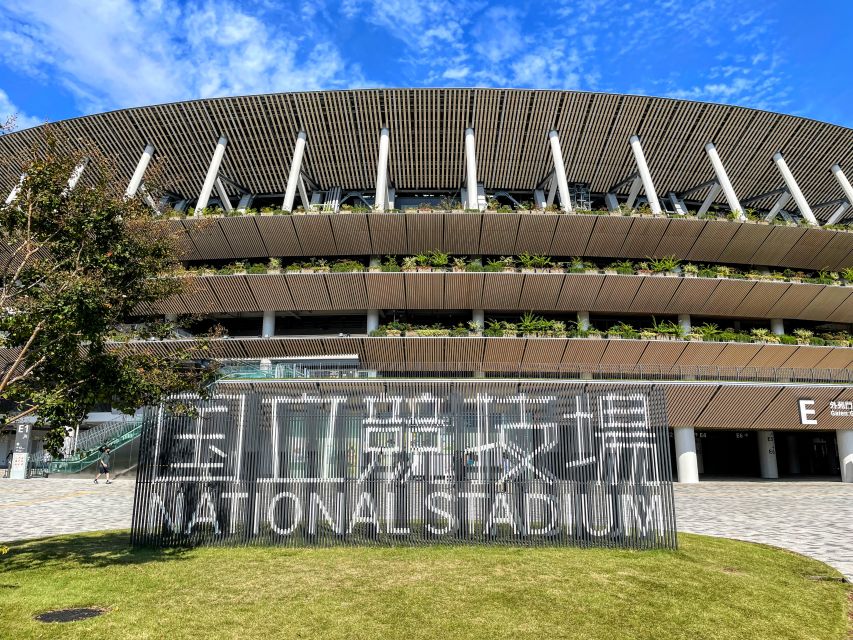
One benefit of a coach tour is seeing districts that might otherwise require separate planning. The route passes Akihabara, famous for electronics, anime, games, and specialty shops, then Ueno, a major cultural and transport area.
Kappabashi is especially useful to notice. This market street is known for kitchen goods, Japanese dishes, knives, restaurant supplies, and remarkably realistic plastic food displays. You do not receive a dedicated shopping session there, but the drive introduces a neighborhood that many first-time visitors miss.
These passages are not substitutes for exploring the districts on foot. Think of them as a preview. If a shopfront or neighborhood catches your eye, you can return later with a better idea of where to go.
Same place, a different way to ride:
- Mt Fuji and Hakone 1-Day Bus Tour Return by Bus
★ 4.5 · 929 reviews - Tokyo: Mt.Fuji & Lake Kawaguchiko 1-Day Bus Tour w/Optional Lunch
★ 4.5 · 839 reviews - Tokyo: Open Top Panoramic Sightseeing Bus with Audio Guide
★ 3.8 · 254 reviews - Tokyo: A Half-Day Trip Bus Tour in the Morning
★ 4.6 · 236 reviews
Asakusa, matcha, and a Japanese-style lunch
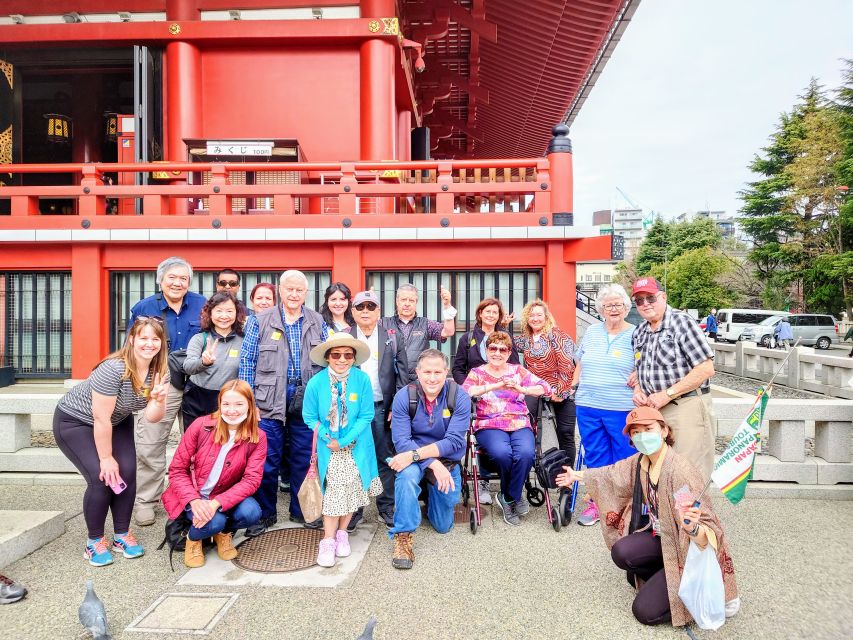
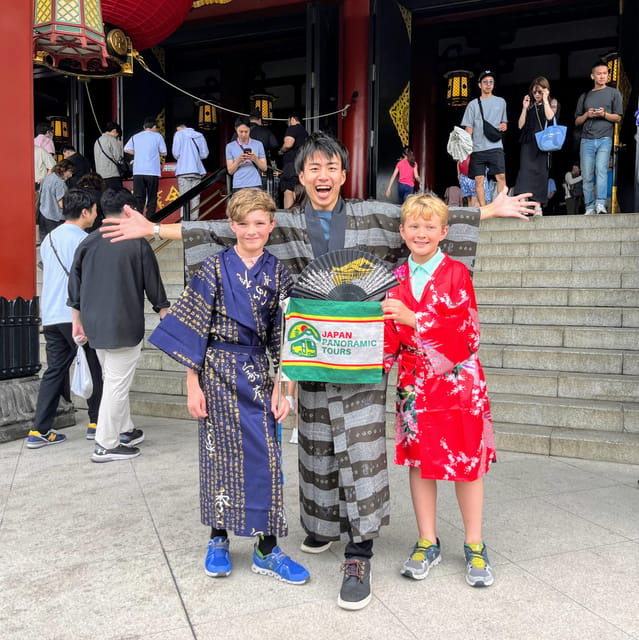
Asakusa is the heart of the day for many people. The coach brings you to one of Tokyo’s most recognizable historic areas, where you can photograph Kaminarimon Gate and its huge red lantern before entering Nakamise shopping avenue.
Nakamise leads toward Senso-ji, Tokyo’s oldest temple, although the supplied schedule focuses on Asakusa sightseeing rather than promising a full temple visit. You get time to browse small shops, look at traditional souvenirs, and enjoy the contrast between the crowded shopping lane and the temple grounds beyond.
The matcha stop adds a useful cultural touch. The tea uses first-flush leaves from Uji in Kyoto and is presented as a less bitter, premium matcha. You can choose matcha tea or, depending on the option, matcha gelato or matcha beer. This is not a formal tea ceremony, but it gives you a chance to try a familiar Japanese flavor in a more intentional way.
Lunch is optional, so check that you have selected it when booking. The standard set meal features karaage, Japanese fried chicken, tofu, and a soft drink. The tofu uses locally produced soybeans and is made at the shop each day, which gives the meal a more local angle than a generic coach-group buffet.
Food quality appears to vary by personal taste. Some diners found the lunch excellent, while one person considered it disappointing. The meal is practical and filling, but you should not book the tour solely for a gourmet experience.
Vegetarian and gluten-free meals are available if you give the number of requests in advance. The gluten-free option includes grilled chicken, rice, and tofu. The regular meal has no pork or seafood, but the dashi stock contains fish broth. Muslim-friendly, lactose-free, allergy-friendly, and similar special meals are not available, and anyone with a serious allergy is advised to book without lunch.
You have about an hour of free time in Asakusa after the food stops. This is valuable because it lets you browse independently instead of staying with the guide every minute. It is also one of the better chances during the day to buy snacks or souvenirs.
Tokyo Skytree and the 350-meter view
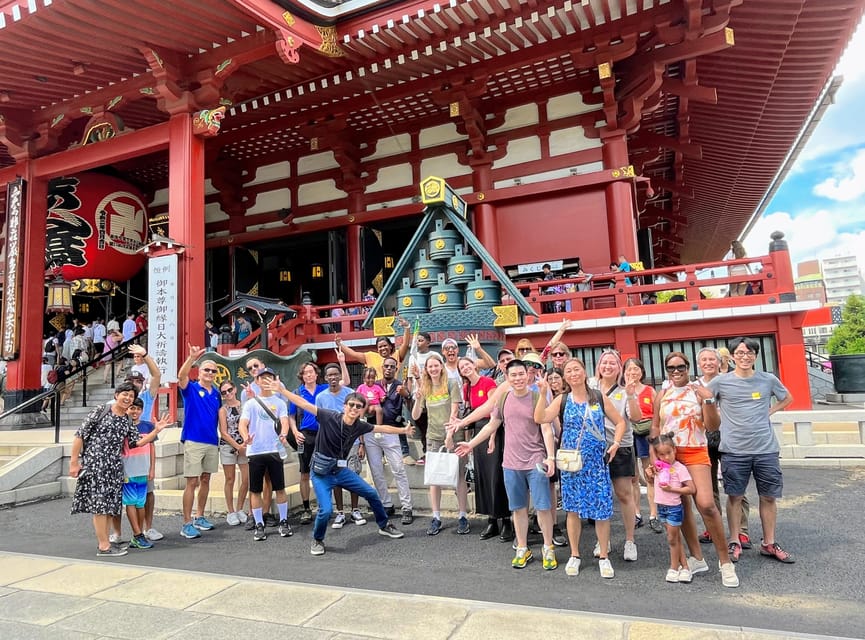
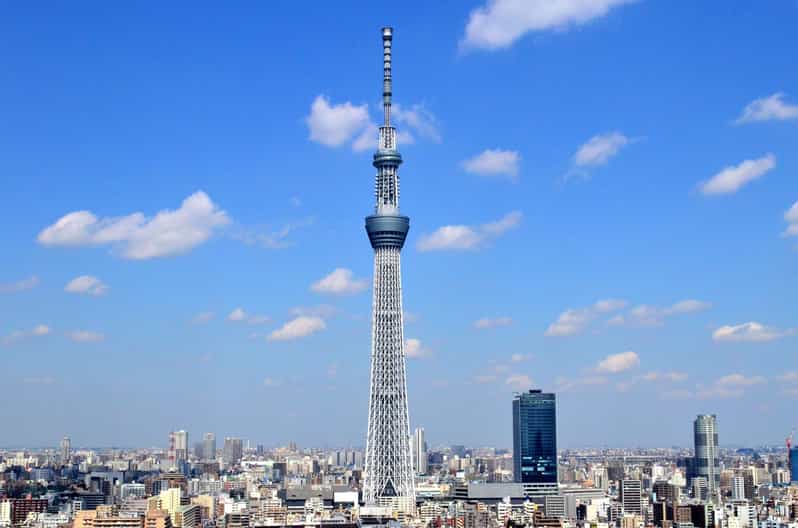
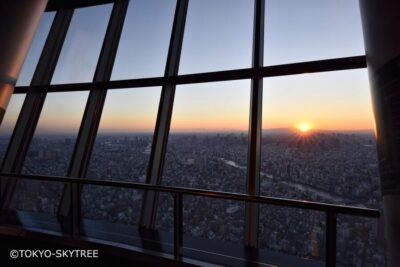
Tokyo Skytree is the tour’s big modern landmark. At 634 meters, it is the world’s tallest broadcasting tower, and the tour includes entry to the Tembo Deck at 350 meters.
Skip-the-line admission matters here. Skytree can be a time-consuming stop on a busy day, so having the entry arranged protects the schedule. You also visit Tokyo Solamachi, the shopping and dining complex around the tower, although the amount of free time is limited by the full-day route.
The views are the main event. From the Tembo Deck, Tokyo spreads in every direction, making the city’s size easier to understand than it is from street level. On a clear day, you can see the dense center, broad urban districts, and distant edges of the metropolitan area.
You get about 90 minutes here. That is enough for the observatory and some shopping, but it may feel generous compared with the shorter Meiji Shrine visit. If you prefer gardens and historic sites, this is the part of the day you may find least essential. If you enjoy city views and modern architecture, it may be your highlight.
Odaiba and the possible Tokyo Bay cruise
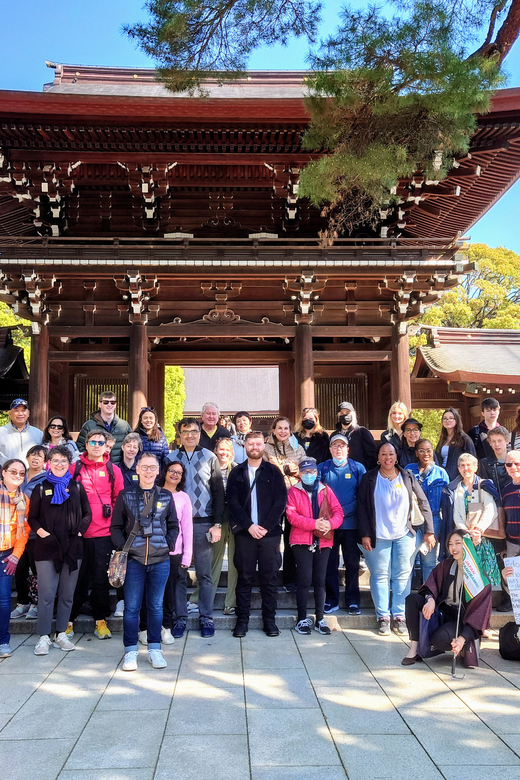
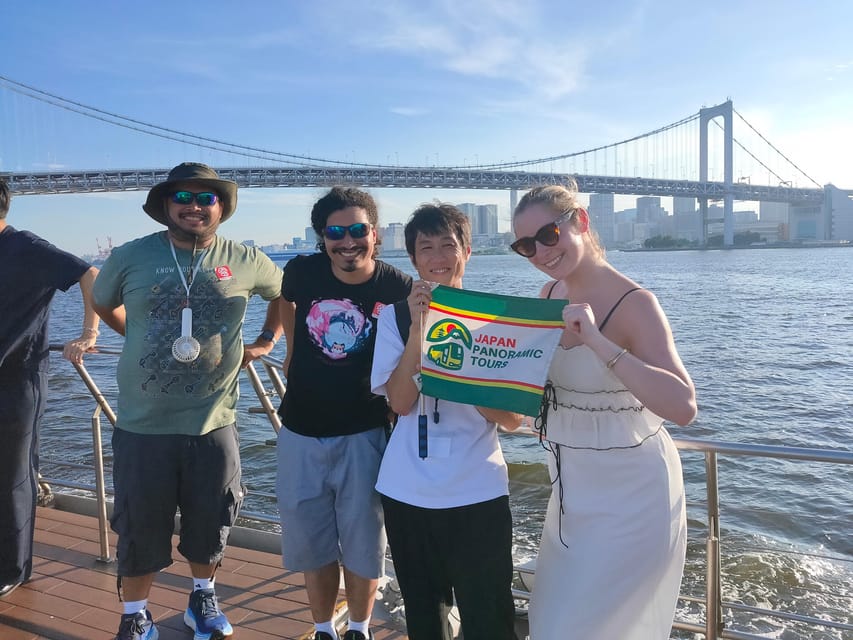
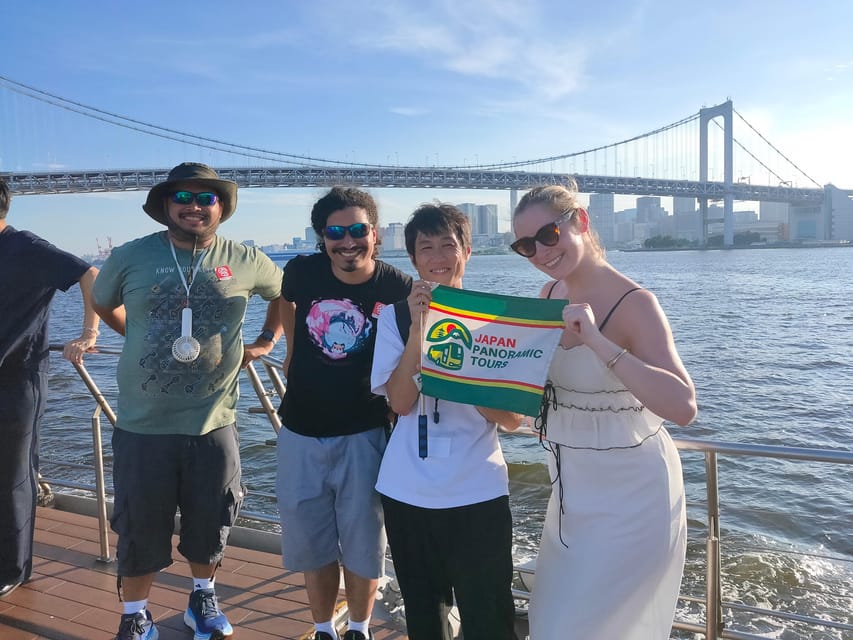
The final planned activity takes you to Odaiba, where you board a short Tokyo Bay cruise. The ride lasts around 15 to 20 minutes and passes beneath the Rainbow Bridge, with views toward the waterfront skyline.
It is a pleasant way to finish after a long day on your feet. The boat gives you a change of angle and a little time to sit while still sightseeing. A late-afternoon or sunset departure can make the skyline particularly attractive, though the exact light depends on the season and schedule.
The cruise is not available on Tuesday. It can also be canceled because of high tide or technical maintenance. In those cases, the replacement is Hamarikyu Garden or the Fukagawa Edo Museum. Both offer a worthwhile change of pace, but no refund is provided when the boat ride is replaced.
This policy matters if the cruise is your main reason for booking. Treat it as a possible part of the day, not a guaranteed feature.
Guides, transport, and the pace of the day
The English-speaking guide is one of the tour’s strongest features. Aya has been praised for organization, history, directions, and taking care of different groups. Sora, Yui, Hiro, Levin, Lovely, Lisa, and Tsubasa have also been singled out for humor, clear explanations, and steady energy.
Tsubasa received especially warm praise for teaching Japanese words and writing during the day. Other guides have helped with restaurant suggestions, shopping ideas, temple etiquette, and practical train advice. Those small details can make a first Tokyo visit less confusing.
The coach is air-conditioned and includes Wi-Fi. That matters in summer, when Tokyo can be hot and humid, and on rainy days when moving between sights by train is less appealing. The driver also handles the long cross-city stretches, allowing you to rest between stops.
Do not mistake coach transport for a low-walking day. You will walk through shrine grounds, palace areas, Asakusa streets, shopping zones, and Skytree. Wear comfortable shoes, carry water, and expect a full day rather than a relaxed outing.
The tour is not suitable for people with mobility impairments. You must also handle loading and unloading your own luggage, including wheelchairs and strollers.
Is $122 a fair price?
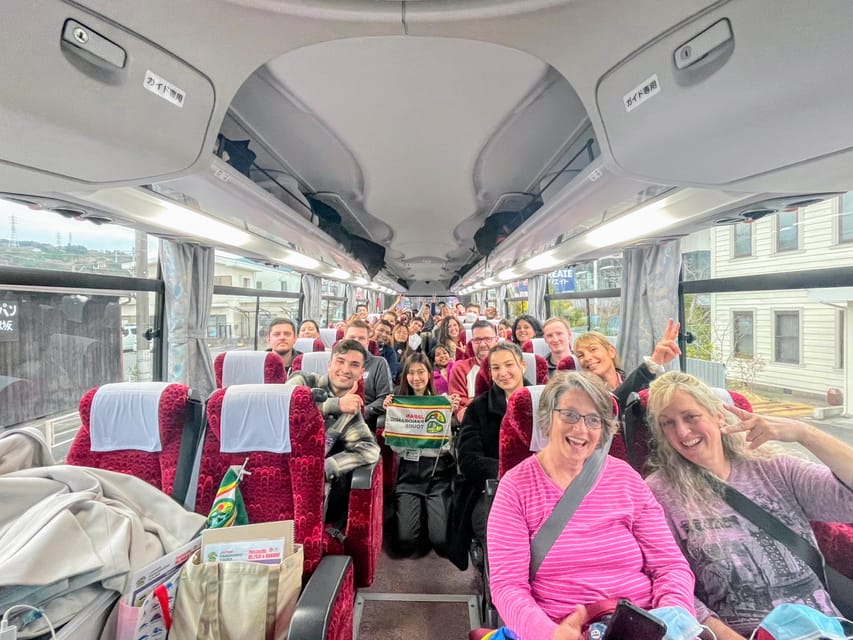
At $122 per person, this is not a bargain in the narrow sense. You could visit several Tokyo districts by train for less, especially if you skipped the paid observatory and lunch. But the price includes more than transport: a guide, air-conditioned coach, Skytree Tembo Deck admission, matcha, Wi-Fi, and the cruise when operating.
The value improves if you have limited time, dislike navigating unfamiliar train stations, or want a clear first-day structure. It also saves you from arranging separate tickets and working out how to connect western Tokyo with Asakusa, Skytree, and Odaiba.
The value drops if you already know Tokyo well, prefer slow museum visits, or want to choose every meal and stop yourself. You are paying for coverage and convenience, not flexibility.
Free cancellation up to 24 hours before departure and reserve-now-pay-later terms provide some planning flexibility. Add-ons selected on the day may cost more, so choose lunch and other desired options in advance.
Who should book this Tokyo day tour?
I would choose it for a first visit, a short stay, or a first full day designed to get your bearings. It suits couples, families with older children, and anyone who wants Tokyo’s major contrasts in one organized outing.
It is less suited to photographers who need long, quiet stretches, independent food hunters, or anyone who dislikes fixed departure times. It is also a poor fit if walking is difficult.
Book it if you want Meiji Shrine, Asakusa, Imperial Palace, Skytree, and Odaiba in one sweep, and you accept a brisk schedule. Skip it if the Tokyo Bay cruise is non-negotiable, since weather, tides, maintenance, and Tuesday scheduling can change that part of the plan.
FAQ
How long is the Tokyo sightseeing tour?
The tour lasts 10 hours, beginning in central Tokyo and finishing at Tokyo Mode Gakuen.
Where does the tour start?
The meeting point depends on the option booked. Listed pickup locations include Matsuya Ginza and the Love statue in Shinjuku. Check your booking details carefully.
Is hotel pickup included?
No. Hotel pickup and drop-off are not included. You must reach the assigned meeting point.
What languages are available?
The live tour guide speaks English. Audio headsets are available in Spanish, French, Italian, German, Portuguese, and Ukrainian.
Is lunch included?
Lunch is included only if you select the lunch option. The meal is generally a set with Japanese fried chicken, tofu, and a soft drink.
Can I request a vegetarian or gluten-free meal?
Yes. You must state the number of vegetarian or gluten-free meals when booking. The gluten-free option includes grilled chicken, rice, and tofu.
Is the Tokyo Bay cruise guaranteed?
No. The cruise does not operate on Tuesdays and may be replaced because of high tide or technical maintenance. The replacement is Hamarikyu Garden or the Fukagawa Edo Museum, with no refund for the change.
Is the tour suitable for people with mobility impairments?
No. The tour is not suitable for people with mobility impairments, and all passengers must handle their own luggage, wheelchairs, and strollers.
Just added around Tokyo
- Tokyo: A Half-Day Trip Bus Tour in the Morning★ 4.6 · 236 reviews
- Tokyo: Mount Fuji Views and KABA Amphibious Bus Day Tour★ 5.0 · 4 reviews
- Full Tokyo: Meiji Shrine, Imperial Palace, Asakusa & Skytree★ 4.4 · 7 reviews
- 3-Row Luxury Bus Tour to Mt. Fuji, Lake Kawaguchi from Tokyo★ 4.3 · 3 reviews
- Tokyo: 1 Day Bus Tour with Meiji-Jingu,Odaiba,lunch&Skytree★ 4.6 · 156 reviews
- Tokyo: Morning Sightseeing Bus Tour★ 4.4 · 109 reviews
- Tokyo: 60min Panoramic Open Top Bus Tour with Audio Guide★ 4.0 · 40 reviews
- Tokyo Thrilling Open Top Bus Expressway Adventure Tour★ 4.3 · 5 reviews
Tokyo Bus Tours, compared.
Mt Fuji and Hakone 1-Day Bus Tour Return by Bullet Train
Read our review →
Mt Fuji & Hakone Cruise, Drum Show Bus 1 Day from Tokyo
Read our review →
Mt.Fuji & Lake Kawaguchiko 1-Day Bus Tour w/Optional Lunch
Read our review →
Open Top Panoramic Sightseeing Bus with Audio Guide
Read our review →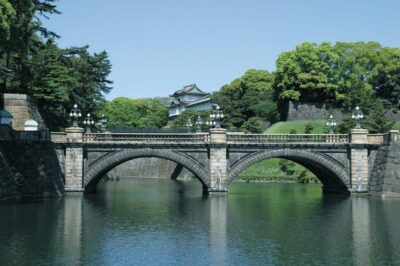
1 Day Bus Tour with Meiji-Jingu,Odaiba,lunch&Skytree
Read our review →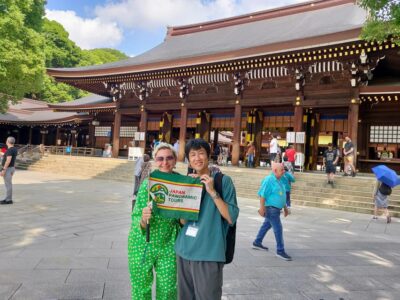
Browse the lists this tour appears in