
Review · JAPAN
3-Row Luxury Bus Tour to Mt. Fuji, Lake Kawaguchi from Tokyo
Mt. Fuji rewards patience and good timing. This full-day outing combines Arakurayama Sengen Park and its famous pagoda view with Lake Kawaguchi’s flowers, shorelines, and traditional villages. I like the wide mix of scenery and culture, and I like that lunch, guide service, transport, tolls, and the Saiko village entry fee are included. The main caution is the bus itself: the tour is sold as a 27-seat luxury vehicle with a toilet, but one verified booking review says the actual bus did not match that description.
You’ll spend about 10 hours on the road and at five major sightseeing areas, so this is a busy day rather than a slow countryside retreat. I also like the flexible cancellation terms and the chance to travel with an English-speaking guide such as Omar, who earned particular praise for keeping the group engaged. Still, Mt. Fuji may hide behind clouds, and holiday traffic can shorten stops or delay your return to Shinjuku.
Key points at a glance
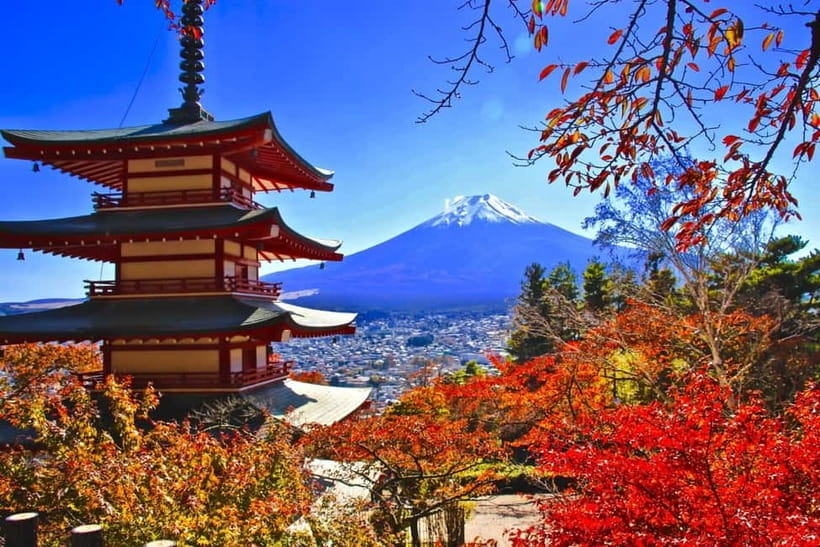
- Arakurayama’s five-story pagoda: Climb the stairs for one of Japan’s best-known Mt. Fuji photo views.
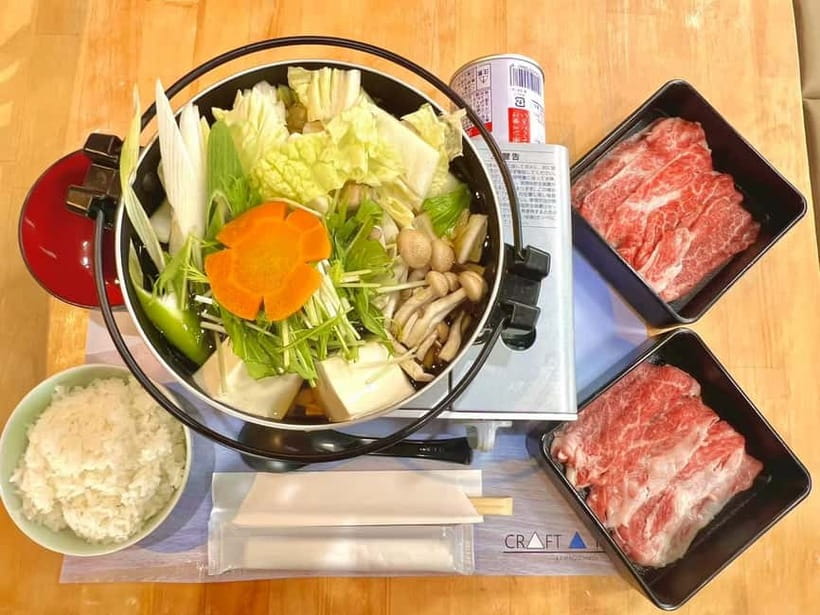
- Kobe beef shabu-shabu lunch: The meal is included, giving the $125 price more weight than a transport-only day trip.
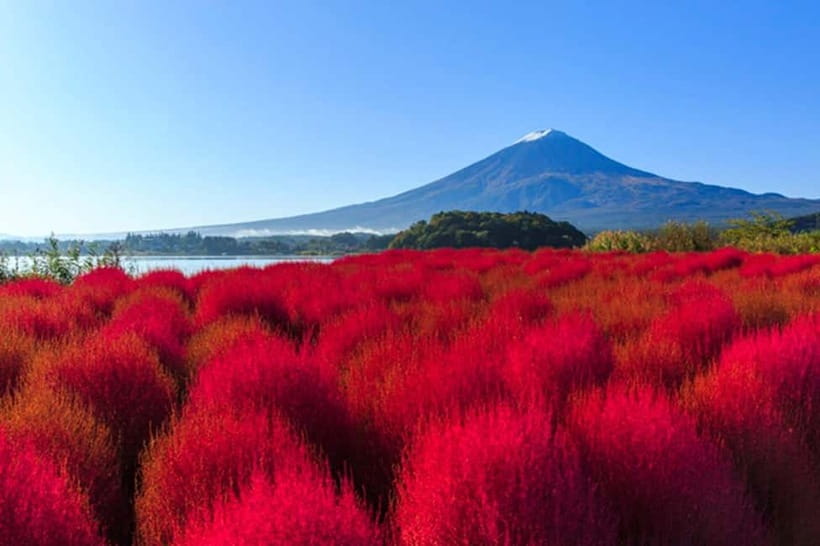
- Several Fuji viewpoints: You see the mountain from a shrine, lakefront, flower park, and rural village.
- Saiko’s thatched-roof village: Saiko Iyashi no Sato Nenba adds rural culture to what could otherwise be a photo tour.
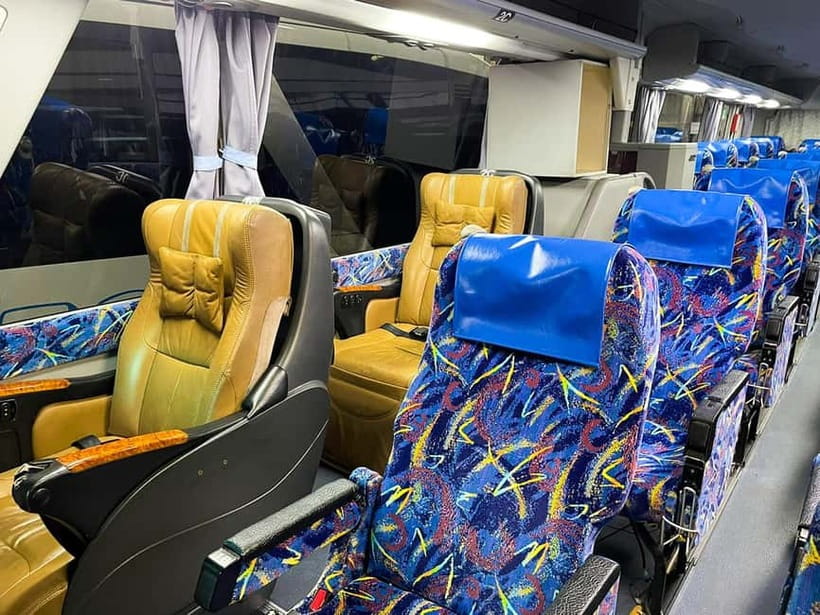
- Comfort claims need checking: The description promises a 27-seat luxury bus and onboard toilet, but one booking review reports a standard bus without a toilet.
- Weather controls the day: Fuji visibility is not guaranteed, and severe traffic or bad weather can remove stops without a refund.
What this Mt. Fuji day trip is really like
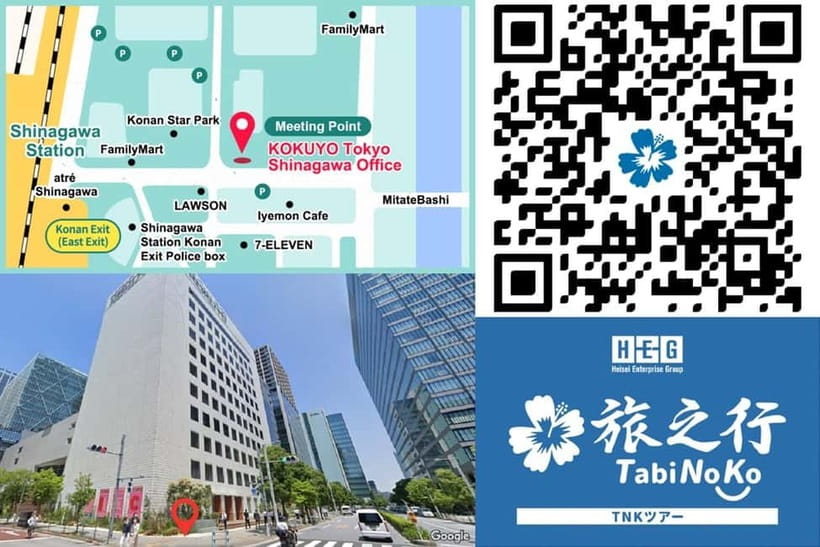
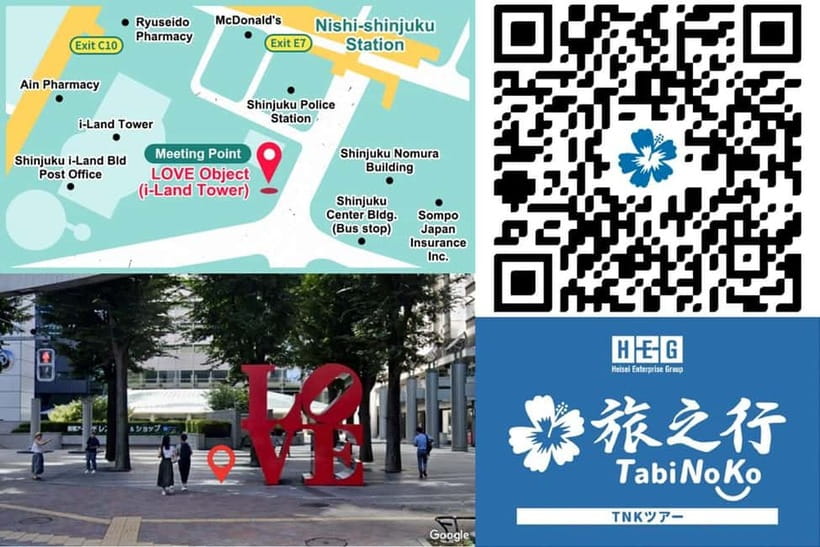
This is a long, organized sweep through the Kawaguchiko area from Tokyo. You begin at one of two possible meeting points, including the Robert Indiana LOVE sculpture near the Koyasu office area in Shinagawa, then finish at Shinjuku Station.
The route works because it presents Mt. Fuji in several different settings. At Arakurayama, the mountain forms a dramatic backdrop to traditional architecture. At Lake Kawaguchi, it becomes part of a quieter waterside scene. At Saiko Iyashi no Sato Nenba, it appears beyond old farmhouses and the satoyama, the traditional rural countryside around a village.
The tradeoff is time. You are covering many places in one day, and the journey from Tokyo depends heavily on road conditions. You should see this as a convenient introduction to the Fuji Five Lakes area, not as a leisurely stay beside the lake.
A few more bus tours around Tokyo worth a look
- Skip The Bus: San Francisco By Luxury Van Tour
★ 5.0 · 800 reviews - VIP Day Trip to Cairo by Bus with Top Tour operators
★ 5.0 · 739 reviews - NYC at Night: 3-Hour Luxury Bus Tour of Top Highlights
★ 4.5 · 448 reviews
Arakurayama Sengen Park and the famous pagoda view
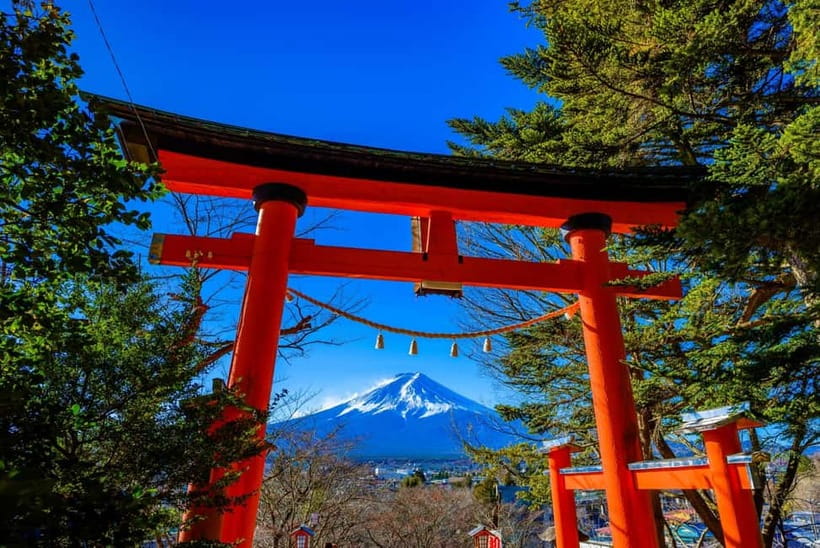
The first major stop is Arakurayama Sengen Park, with about 70 minutes set aside for sightseeing. The classic view requires climbing stairs to a higher overlook, where Chureito Pagoda sits in front of Mt. Fuji.
This is one of those places where the effort has a clear payoff. The red-and-white pagoda, wooded hillside, and snow-capped mountain create the image many people associate with Japan. You also visit Arakura Fuji Sengen Shrine, adding a religious and architectural layer to the photo stop.
Bring comfortable shoes. The climb is not a minor detail, especially early in a full day of walking. The schedule gives you enough time for the main view, shrine area, and photographs, but it may not feel generous if you stop often or move slowly on stairs.
Cloud cover is the great spoiler here. On a clear day, this can be the strongest stop of the tour. In poor weather, you may still appreciate the pagoda and shrine, but the mountain may vanish completely. The company does not promise Fuji visibility, so you should book this experience for the wider region, not for one guaranteed photograph.
Lunch and lakeside time at Kawaguchiko Craft Park
Kawaguchiko Craft Park is the midday stop, with about an hour for lunch, shopping, and a possible workshop. The setting near Lake Kawaguchi gives you a chance to stretch your legs and look across the water after the morning’s climb.
The included meal is described as Kobe beef shabu-shabu. Kobe beef is a prized Japanese wagyu known for its tender texture and strong marbling, and its inclusion helps explain the $125 price. You should confirm the exact meal details at booking or before departure if the food is a major reason for choosing this outing, since the supplied information does not describe the portion, menu format, or drink policy.
The craft park also helps break up the bus time. A lakeside walk feels more relaxed than a quick roadside photo stop, and you can browse local goods or take part in a workshop if timing allows. The one-hour allocation must cover lunch and other activities, so you may need to choose between lingering over the meal, shopping, and walking by the water.
One point needs careful interpretation: the schedule also lists the Lake Kawaguchi Maple Corridor and a separate Lake Kawaguchi stop. These are scenic photo and walking pauses, but exact timing can change with traffic and weather. The route gives you several chances to see the lake, though not necessarily a long, unhurried afternoon beside it.
Maple Corridor and Lake Kawaguchi’s open views
The Maple Corridor stop offers another seasonal view around Lake Kawaguchi. The name suggests the strongest appeal comes during autumn, when the trees change color, but the supplied details do not promise a particular seasonal display on every departure.
The main lake stop allows about an hour for sightseeing and walking. This is useful because the Fuji area looks different from water level than it does from the elevated pagoda viewpoint. On a clear day, the mountain’s reflection can add a calm, almost graphic quality to your photographs.
You should keep your expectations sensible. This is not a hiking tour, and the schedule does not provide time for an extended lakeside walk. It is a chance to take in the setting, get photos, and enjoy a change of pace before the final stops.
Same place, a different way to ride:
- Mt Fuji and Hakone 1-Day Bus Tour Return by Bullet Train
★ 5.0 · 26,383 reviews - 1-Day Tokyo Bus Tour
★ 5.0 · 14,250 reviews - Tokyo: Meiji Shrine, Asakusa, Skytree Bus Tour and Cruise
★ 4.7 · 1,986 reviews - Mt Fuji & Hakone Cruise, Drum Show Bus 1 Day from Tokyo
★ 4.0 · 1,287 reviews
Oishi Park and the lavender season
Oishi Park gets about 30 minutes. Its appeal is the combination of seasonal flowers, Lake Kawaguchi, and Mt. Fuji in the distance. The tour description places special emphasis on lavender, including the color contrast between the flowers, lake, and mountain.
This stop is short but visually strong when the flowers are in season. The scent of lavender and the open view offer a pleasant pause after a full morning. You can take photographs, walk through the flower displays, and enjoy the lake without needing a long visit.
The timing matters. Flower displays change through the year, and the information does not specify that lavender will be blooming on every departure. If you are choosing the tour mainly for lavender, check the seasonal conditions before paying. If you are visiting outside the main bloom period, the stop still provides lake and Fuji views, but the flower experience may be less dramatic.
Saiko Iyashi no Sato Nenba’s old farmhouses
The final major sightseeing stop is Saiko Iyashi no Sato Nenba, with about 50 minutes. Entry is included, which is helpful because this is the one attraction with a clearly specified admission benefit.
The village contains preserved thatched-roof houses beside Lake Saiko. You can walk between the buildings, look at local products sold under the eaves, and view the surrounding satoyama countryside with Mt. Fuji beyond it.
This stop gives the tour more substance than a series of scenic pullovers. The old houses point to a rural way of life and traditional building style, while the shops offer a chance to see regional goods. It is still a compact visit, so you should not expect a long cultural program or an extended village walk.
I especially like the order of this stop. After the lake, flowers, and open mountain views, the thatched village changes the mood. It leaves you with a sense of rural Japan rather than sending you straight back to Tokyo after a string of photographs.
The bus question: luxury comfort or ordinary transport?
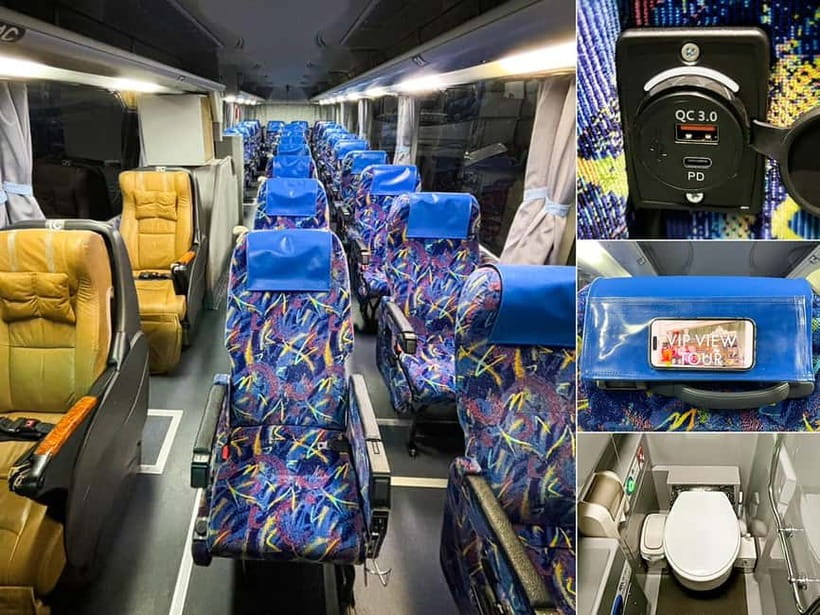
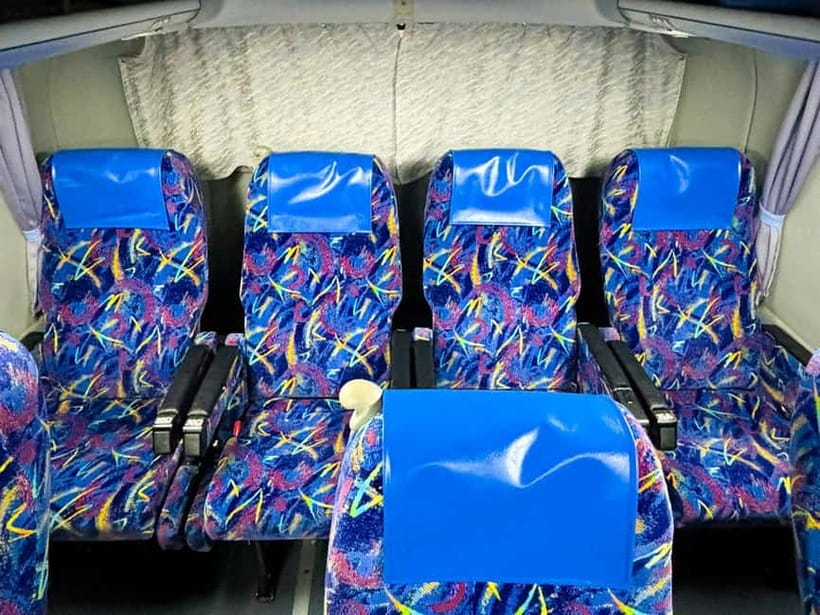
The bus is the biggest point to examine before booking. The experience is marketed around a business-class feel, with only 27 seats, independent seating, air conditioning, and a high-end onboard toilet. Those features would matter on a 10-hour day, especially when Tokyo traffic can slow the return journey.
However, one verified booking review gave the bus only 2 out of 5 overall and specifically said the vehicle was not a luxury bus with fewer seats and had no toilet. That directly conflicts with the tour description. You should not pay a premium solely because you expect a guaranteed onboard restroom or unusually spacious seating.
The guide service received much warmer feedback. Omar was praised for interacting well with the whole group and for providing an informative, enjoyable day with enough time for Fuji views. Commentary may be delivered in English and Chinese on the same bus depending on group size, so English is available, but the format may not be English-only.
The tour uses an air-conditioned vehicle, and highway tolls, fuel, and parking are covered. Those inclusions remove several small costs and make the trip simpler than assembling separate trains, buses, admissions, and meals yourself. The comfort question remains the one detail I would verify directly before departure.
Is $125 a fair price?
At $125 per person, this is not the cheapest way to reach Lake Kawaguchi. The price includes transportation from Tokyo, an English-speaking guide, lunch, tolls, parking, fuel, taxes, and entry to Saiko Iyashi no Sato Nenba. You are paying for convenience and a full schedule, not just a seat on a bus.
The Kobe beef shabu-shabu lunch adds useful value if the meal is served as described. The entry fee and highway costs also matter, since independent day trips can collect expenses in small pieces. For a first visit to the Fuji area, having one route that joins Arakurayama, Lake Kawaguchi, Oishi Park, and Saiko can save planning time.
The value weakens if you are mainly buying the advertised luxury seating. Because of the conflicting bus information, I would treat the vehicle upgrade as uncertain until confirmed. The tour remains reasonable for someone who wants a guided, all-in-one day, but less appealing for someone who can arrange comfortable transport independently.
Weather, traffic, and the return to Shinjuku
This tour runs in rain or shine. Cancellation is reserved for extreme conditions such as typhoons, and Fuji visibility is never guaranteed. The mountain can be hidden even when the rest of the day is pleasant, so check the forecast and keep your expectations flexible.
Traffic is another real issue. Holidays and bad weather can create serious delays on the roads around Tokyo and the Fuji area. The operator may shorten the time at attractions, omit planned stops, or return late to Shinjuku. These changes do not bring a refund.
The only listed drop-off is the Shinjuku area. That is convenient if you are staying or transferring there, but less useful if your plans are centered elsewhere in Tokyo. Comfortable clothes and shoes are the right choice, especially for Arakurayama’s stairs and the walking portions around the lake and village.
Wheelchair users should not book this experience, as it is not considered suitable for wheelchair access.
Who will enjoy this tour most?
I would recommend it to you if this is your first Mt. Fuji day trip from Tokyo and you want several famous views without handling the transport yourself. It suits people who enjoy a full day, like having a guide, and want both scenery and cultural stops.
It also works well if you want the chance to see Mt. Fuji from different angles. The pagoda, lake, lavender park, and thatched village each offer a different kind of photograph and a different pace.
I would hesitate if you need guaranteed Fuji views, dislike fixed schedules, or want a quiet day with long walks. I would also hesitate if the 27-seat layout and onboard toilet are essential. In that case, confirm the vehicle details in writing before booking.
Free cancellation up to 24 hours before departure and reserve-now, pay-later terms make the commitment easier. Still, flexible booking does not solve the weather problem. The best strategy is to choose a date with a promising forecast if your schedule allows, then accept that mountain weather can change quickly.
Should you book the Mt. Fuji and Lake Kawaguchi tour?
Book this tour if you value a guided route, included lunch, several major Fuji viewpoints, and the ease of returning to Shinjuku without planning each connection. Omar’s praised guide style is a good sign for the human side of the experience, and the mix of pagoda, lake, flowers, and thatched homes gives the day real variety.
Skip it if you want slow, independent exploration or if luxury-bus features are the main reason for the purchase. The scenery and route are appealing, but the conflicting report about the bus deserves attention. For most first-time visitors, this is a useful and well-filled introduction to the Kawaguchiko area, provided you book for the region itself rather than a guaranteed view of Fuji or a guaranteed business-class ride.
FAQ
How long does the Mt. Fuji tour last?
The tour lasts about 10 hours, with the day beginning at one of the designated Tokyo meeting points and ending at Shinjuku Station.
Where does the tour start and finish?
There are two possible starting location options, and the exact meeting point depends on the option booked. The only available drop-off location is in the Shinjuku area.
Is lunch included?
Yes. Lunch is included, and the experience describes it as Kobe beef shabu-shabu. Personal expenses beyond the included services are not covered.
Is an English-speaking guide provided?
Yes. The tour includes a live English-speaking guide. Depending on the number of participants, commentary may also be provided in Chinese on the same bus.
Is Mt. Fuji guaranteed to be visible?
No. Mt. Fuji visibility depends on weather conditions and is not guaranteed. The tour operates in rain unless extreme weather, such as a typhoon, causes cancellation.
What happens if traffic or bad weather affects the schedule?
The schedule may change because of weather, traffic, or unexpected conditions. Stops may be shortened or omitted during severe delays, and the return to Shinjuku may take longer than planned.
Just added around Tokyo
- Tokyo: A Half-Day Trip Bus Tour in the Morning★ 4.6 · 236 reviews
- Tokyo: Mount Fuji Views and KABA Amphibious Bus Day Tour★ 5.0 · 4 reviews
- Full Tokyo: Meiji Shrine, Imperial Palace, Asakusa & Skytree★ 4.4 · 7 reviews
- Tokyo: 1 Day Bus Tour with Meiji-Jingu,Odaiba,lunch&Skytree★ 4.6 · 156 reviews
- Tokyo: Morning Sightseeing Bus Tour★ 4.4 · 109 reviews
- Tokyo: Open Top Panoramic Sightseeing Bus with Audio Guide★ 3.8 · 254 reviews
- Tokyo: Open Top Sightseeing Bus with Audio Guide★ 4.5 · 5 reviews
- Tokyo: 60min Panoramic Open Top Bus Tour with Audio Guide★ 4.0 · 40 reviews
Tokyo Bus Tours, compared.
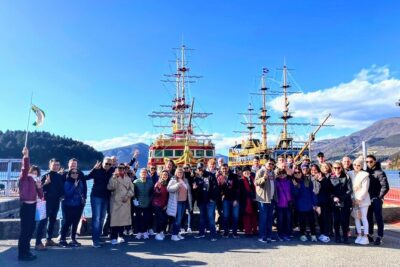
Mt Fuji and Hakone 1-Day Bus Tour Return by Bullet Train
Read our review →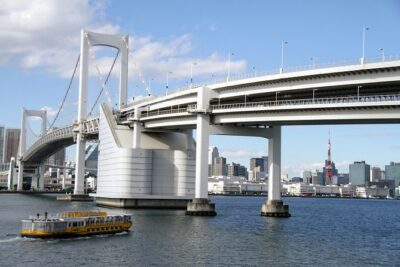
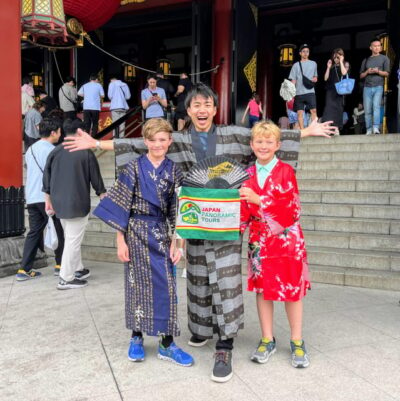
Meiji Shrine, Asakusa, Skytree Bus Tour and Cruise
Read our review →
Mt Fuji & Hakone Cruise, Drum Show Bus 1 Day from Tokyo
Read our review →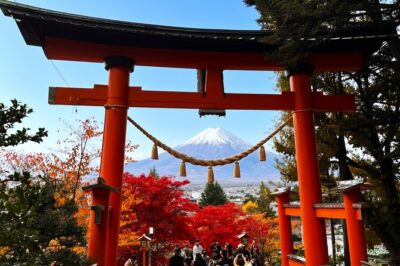
Mt.Fuji & Lake Kawaguchiko 1-Day Bus Tour w/Optional Lunch
Read our review →
Open Top Panoramic Sightseeing Bus with Audio Guide
Read our review →
1 Day Bus Tour with Meiji-Jingu,Odaiba,lunch&Skytree
Read our review →Browse the lists this tour appears in