
Review · JAPAN
Full Tokyo: Meiji Shrine, Imperial Palace, Asakusa & Skytree
Tokyo in one long sweep. This seven-hour coach tour links Tokyo’s headline sights, from Shibuya Crossing and Meiji Shrine to Asakusa and Tokyo Skytree, making it useful for a first visit or a short stay. I like the wide mix of old and new Tokyo, and I like that Hamarikyu Gardens adds a quiet break beside Tokyo Bay. The main drawback is pace: several stops are short or viewed from the bus, so this is not a deep look at every neighborhood.
The $80 price can be fair if you value transport, a bilingual guide, garden admission, and Skytree entry. It is less attractive if you mainly want extended time at the Imperial Palace or Shibuya, or if you prefer exploring independently. One English-speaking participant received full explanations despite being the only English-speaking person in the group, which suggests the guides make an effort with mixed-language groups.
Key points at a glance
- Seven hours from Ginza to Tokyo Skytree: A full-day route covers major sights without asking you to arrange several train journeys.
- Shibuya is mainly a scenic drive: You see the famous crossing from the coach rather than receiving a long stop on foot.
- Meiji Shrine gets the longest guided visit: Allow about 70 minutes for the wooded shrine grounds and Shinto setting.
- Asakusa provides the main free time: You have about two hours for Senso-ji Temple, lunch, shopping, and wandering.
- Hamarikyu Gardens supplies a calm pause: The traditional gardens offer a welcome change from Tokyo’s traffic and towers.
- The tour finishes at Tokyo Skytree: Plan your evening from Skytree, not from the Ginza starting point.
Who will get the most from this Tokyo tour
I see this as a first-glimpse tour, not a specialist cultural excursion. If you have one full day to meet Tokyo’s major landmarks, the route gives you a useful overview. You will see the city’s imperial center, a Shinto shrine, an old temple district, a technology and pop-culture quarter, and a modern observation tower.
The coach matters here. Tokyo’s sights are spread across a large area, and moving between Ginza, Shibuya, Shinjuku, Asakusa, and Skytree can take time on public transport. This experience handles the transfers while a guide points out places along the way.
You should book with realistic expectations. The route has many stops, but some are short photo opportunities or scenic drives. If you want to cross Shibuya Crossing several times, study the Imperial Palace grounds, or spend half a day in Akihabara, this will feel too quick.
The tour is conducted in English and Spanish. That is helpful for couples or groups who do not share the same first language. It is not suitable for wheelchair users, and the day involves walking at Meiji Shrine, Hamarikyu Gardens, Asakusa, and Tokyo Skytree, so comfortable shoes are a must.
Other bus tours people book around Tokyo:
- Mt Fuji and Hakone 1-Day Bus Tour Return by Bullet Train
★ 5.0 · 26,383 reviews - 1-Day Tokyo Bus Tour
★ 5.0 · 14,250 reviews - Tokyo: Meiji Shrine, Asakusa, Skytree Bus Tour and Cruise
★ 4.7 · 1,986 reviews
Starting in Ginza, with a city-sized itinerary ahead
The meeting point is Ginza Inz 2, across from Tokyo Hands. You can reach it from Ginza Station Exit C9 or from the central exit of JR Yurakucho Station. Arrive at least 10 minutes before departure for check-in.
Ginza is a practical place to begin because it is central and easy to reach by rail. Once aboard, the tour uses the coach to connect districts that would otherwise require several separate train rides. The stated travel periods range from about 10 to 45 minutes, depending on the next stop and Tokyo traffic.
That traffic is part of the bargain. A coach saves you from navigating transfers, but the schedule can be affected by road conditions. Keep your camera ready during the drives because the route itself includes views of Shinjuku and Akihabara.
Shibuya Crossing from the coach
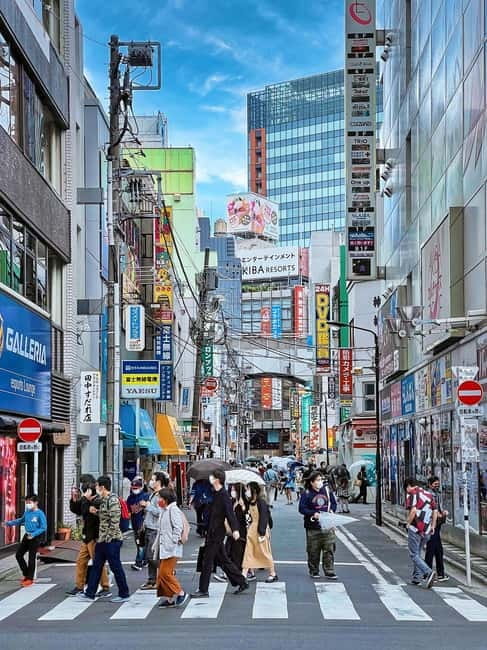
Shibuya Crossing is one of Tokyo’s best-known city scenes, with crowds flowing across the intersection from several directions. On this tour, you get a panoramic look from the bus during a scenic drive.
That is useful for orientation and photos, especially if you have never visited Shibuya. But it is important not to expect a substantial walking stop. The crossing is presented as part of the moving city view, not as a long chance to cross, shop, or explore the surrounding streets.
I would treat this as a preview. If Shibuya is high on your personal list, return independently later for more time. The tour’s strength is showing you many districts in one day, not giving each one a full visit.
Meiji Shrine and 70 minutes among the trees
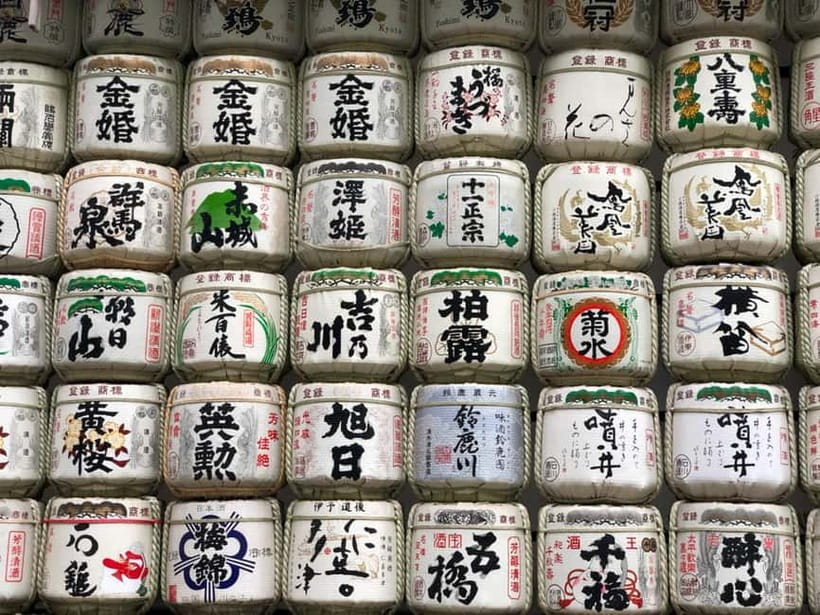
Meiji Shrine is the first major walking stop and receives about 70 minutes with a guided visit. The shrine is dedicated to Emperor Meiji and Empress Shoken, and its setting offers a sharp change from the concrete and traffic of Shibuya.
You can expect a walk through a large urban forest toward the Shinto shrine buildings. This is one of the more restful parts of the day. The setting gives the guide room to explain basic Shinto customs and the role of shrines in Japanese life, while you get time to look around and take photographs.
The ground may be uneven in places, and you will be on your feet. Wear shoes that can handle a longer walk, and bring water, a hat, and sunscreen, especially in warm weather.
This is also one of the places where a guide can add real value. A short explanation of shrine etiquette helps you approach the visit with more confidence. You may see visitors observing traditional customs, so follow the guide’s instructions and keep the atmosphere quiet and respectful.
Same place, a different way to ride:
- Mt Fuji & Hakone Cruise, Drum Show Bus 1 Day from Tokyo
★ 4.0 · 1,287 reviews - Mt Fuji and Hakone 1-Day Bus Tour Return by Bus
★ 4.5 · 929 reviews - Tokyo: Mt.Fuji & Lake Kawaguchiko 1-Day Bus Tour w/Optional Lunch
★ 4.5 · 839 reviews - Tokyo: Open Top Panoramic Sightseeing Bus with Audio Guide
★ 3.8 · 254 reviews
Shinjuku and the Godzilla rooftop view
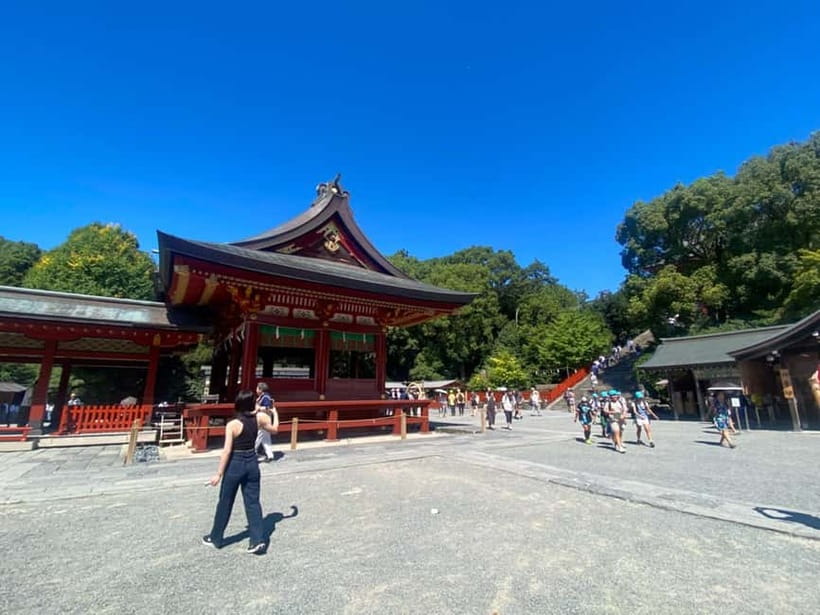
The coach continues through Shinjuku, one of Tokyo’s major commercial districts. The itinerary lists this as a scenic drive, so you should not expect a walking tour or a separate stop in the neighborhood.
The unusual sight to watch for is the Godzilla figure perched above one of the district’s skyscrapers. It is a quick, playful reminder that Tokyo’s city center mixes office towers, entertainment, advertising, and pop culture in the same view.
This part works best if you sit where you can see out of the windows. Since the coach may be moving, photos are not guaranteed, but the guide can help point out the figure and other sights along the route.
The Imperial Palace as a short photo stop
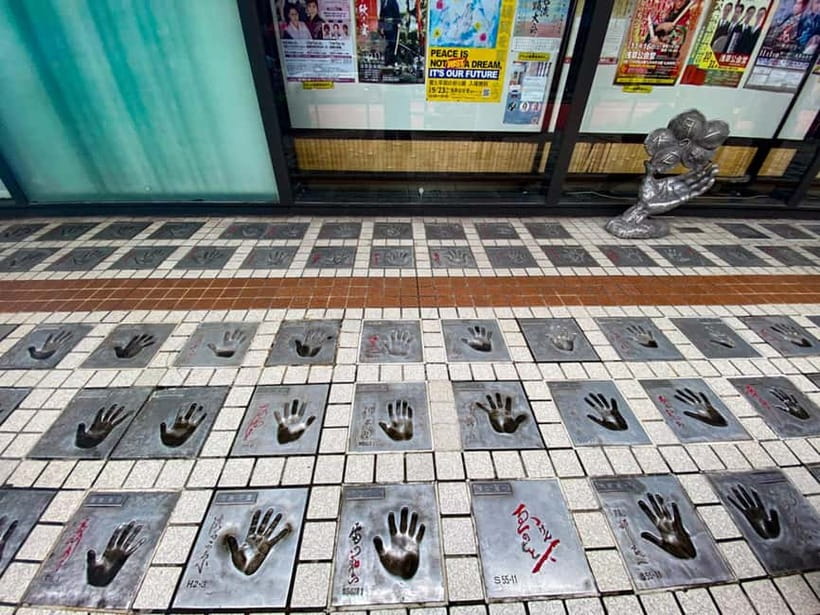
The Imperial Palace provides a look at Japan’s imperial center, but this is a brief visit. About 30 minutes is assigned for a guided stop and exterior photographs.
You will not be touring the palace interiors. The value here is the chance to see the grand surroundings and capture a few images without having to plan a separate visit. The palace area also gives you a quieter contrast with Shinjuku’s towers and Shibuya’s crowds.
If you want a detailed visit to the palace grounds, check the day’s exact plan before booking. The time is enough for an introduction and photos, but not for a slow exploration. This is one of the clearest examples of the tour’s basic tradeoff: broad coverage instead of long stays.
Hamarikyu Gardens, Tokyo’s calm interlude
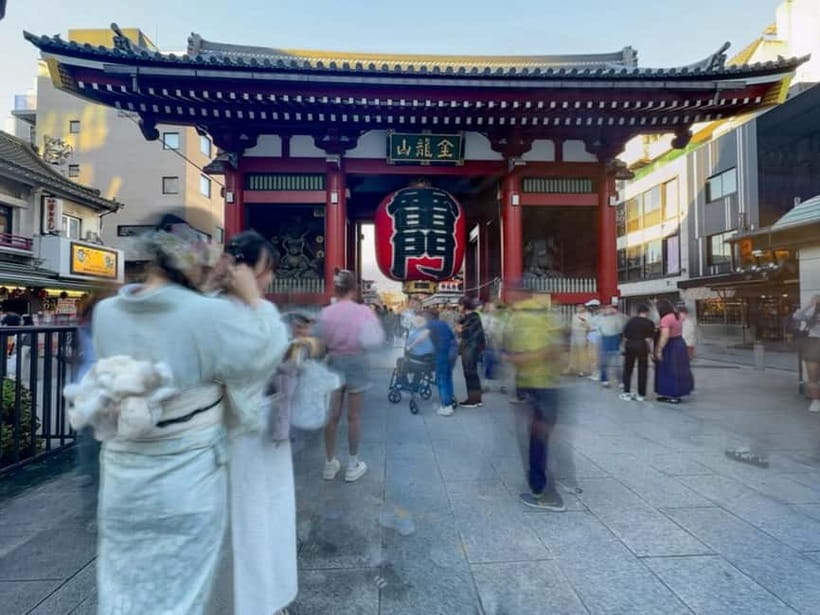
After the palace, the coach reaches Hamarikyu Gardens for about 40 minutes. The gardens sit by Tokyo Bay and are known for traditional Japanese garden design, ponds, paths, and a strong contrast between old-style scenery and the city around it.
I like this stop because it breaks up the day. Six or seven hours of city streets, traffic, and major landmarks can become tiring. Hamarikyu gives you time to slow down, take photographs, and enjoy a quieter setting.
Admission to Hamarikyu Gardens is included. Forty minutes is not enough to inspect every path, but it should let you see the main features at a relaxed pace if you keep moving. Use the time wisely and listen for the meeting instructions, since a delayed return can affect the rest of the schedule.
The supplied information repeats Hamarikyu as a key highlight, and that emphasis makes sense. It is not the most famous stop on the route, yet it may be one of the most pleasant.
Akihabara from the road
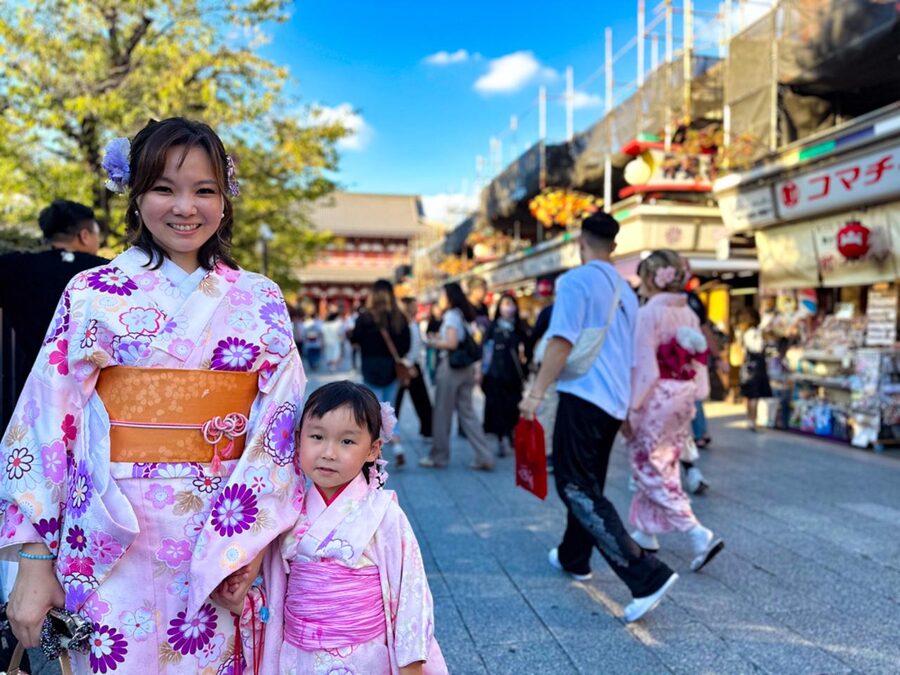
The route then passes through Akihabara, Tokyo’s technology and pop-culture district. This is another scenic drive rather than a walking visit.
From the coach, you can catch the area’s colorful signs and energetic streets. The stop is best viewed as a quick introduction. If anime, manga, games, electronics, or themed shops are central to your Tokyo plans, reserve separate time for Akihabara.
For everyone else, the drive still helps show how different Tokyo’s districts can feel. Within one day, the tour moves from a forest shrine to imperial buildings, a traditional garden, a temple district, and streets associated with modern Japanese pop culture.
Two hours in Asakusa and Senso-ji Temple
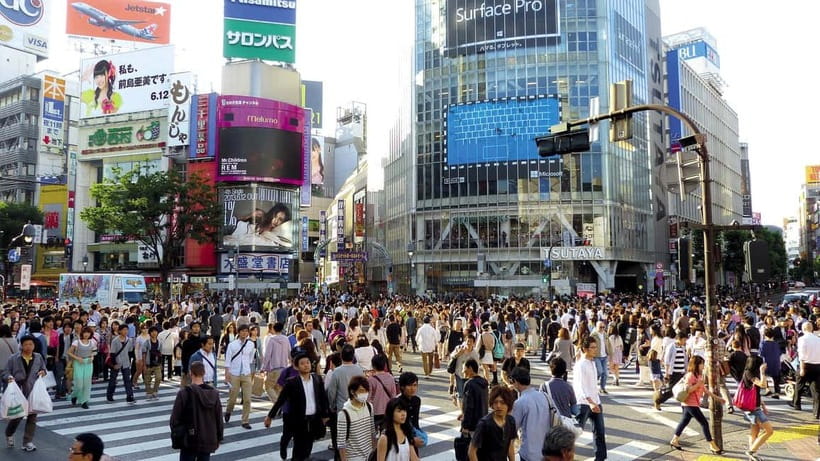
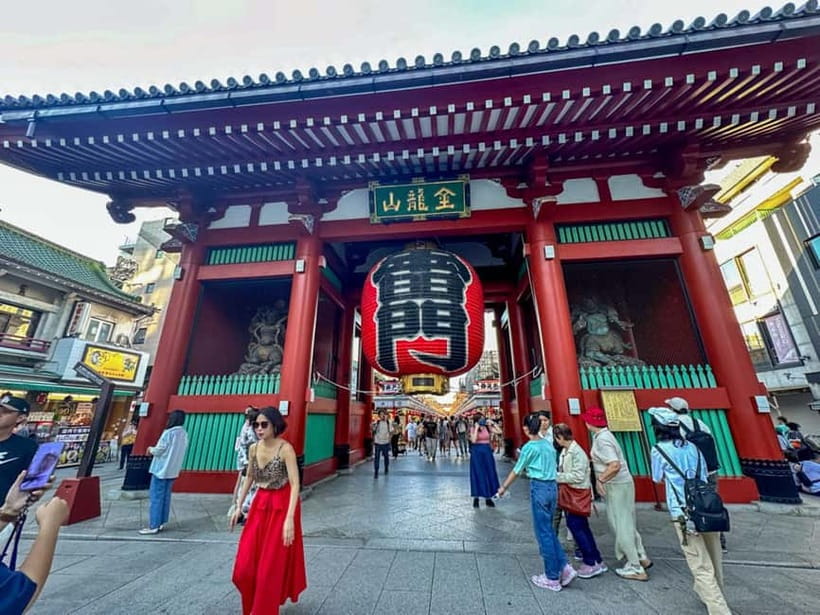
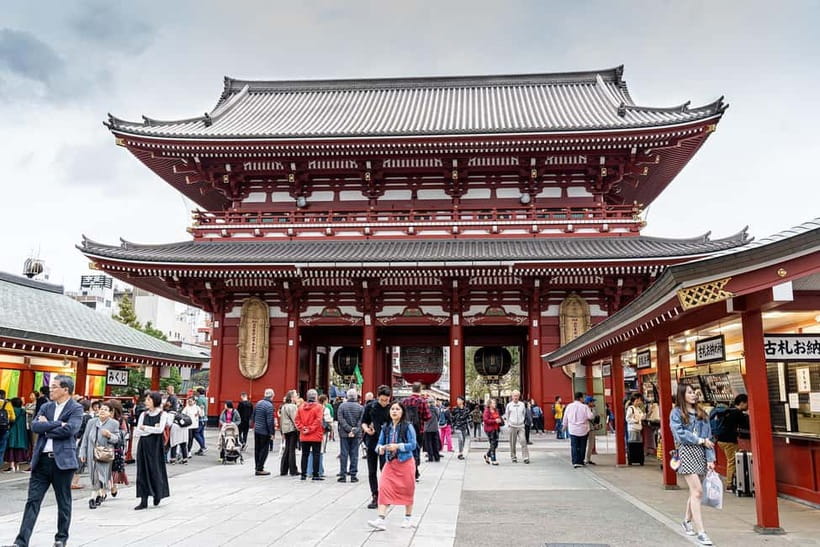
Asakusa is the day’s main independent block, with about two hours for lunch and free time. This is where you get the best chance to set your own pace.
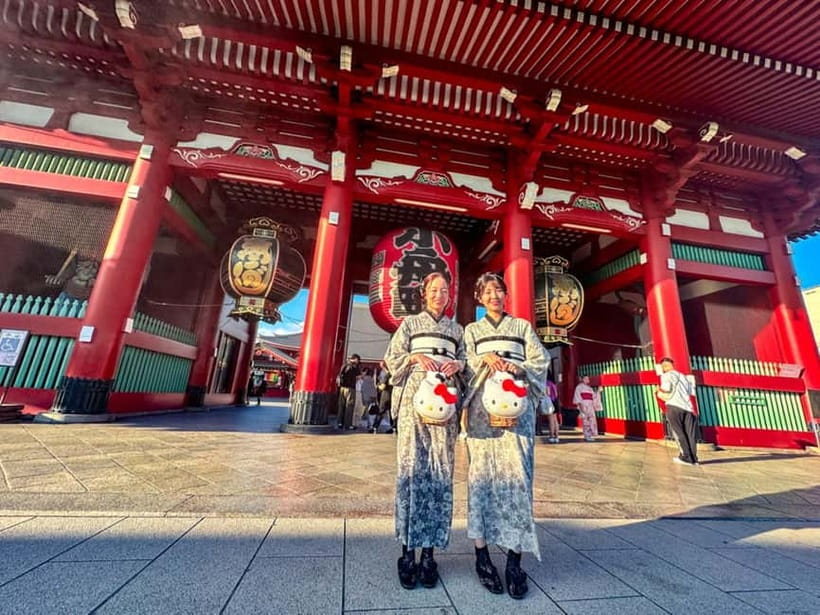
The central sight is Senso-ji Temple, one of Tokyo’s most important cultural landmarks. The temple area gives you more room to walk, photograph, browse, and absorb the older character of the neighborhood than the shorter stops earlier in the day.
If you select the lunch option, you will eat at a local restaurant and have a traditional Japanese meal. Drinks are not included, so budget for those separately. If you do not choose lunch, you can use the free time to find food yourself or explore the area at your own pace.
Two hours is a useful amount of time, though it can pass quickly. You may want to visit Senso-ji first, then fit in lunch and browsing. Stay aware of the meeting time. This is the part of the tour where you have the most freedom, but the coach will not wait indefinitely.
Asakusa is also a good place to buy small gifts or sample local food, though the exact shops and meal choices are not specified. The guide can help with orientation, while you decide how much time to spend inside the temple area or along the surrounding streets.
Tokyo Skytree and the final city view
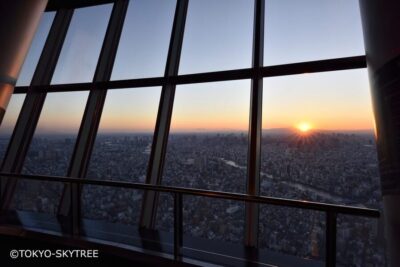
The final stop is Tokyo Skytree, where you go to the observation deck for broad views across the city. Skytree entry is included, which helps justify the tour price because the tower is a major paid attraction and a strong finish to the day.
The view gives you a useful visual lesson in Tokyo’s scale. After seeing individual districts from street level, you can look back across the city from above and connect the route in your mind.
The tour ends at Skytree, according to the activity information. The meeting-point details also contain a conflicting note saying the activity ends back at the meeting point, so I would confirm the final drop-off arrangement before departure. The itinerary itself finishes at Tokyo Skytree, and you should plan your evening from there rather than assume you will return to Ginza.
What the $80 price really covers
At $80 per person, this is not the cheapest way to see Tokyo. Its value depends on how much you would otherwise spend on transport, a guide, Hamarikyu admission, and Tokyo Skytree entry.
I think the price is reasonable for someone who wants a structured day and does not want to build a complicated route across the city. The coach transfer is the main convenience. You also get a bilingual English and Spanish guide, garden access, and Skytree entry.
The price is harder to defend if you mainly want free time. Shibuya, Shinjuku, Akihabara, and the Imperial Palace receive limited treatment, while the Asakusa block includes free time you could arrange yourself. You should also check exactly what your chosen option includes, since lunch is optional and drinks are not included. The note about monument tickets means you should not assume every attraction along the way has an included admission fee.
A five-star experience on this route depends on expectations. One English-speaking participant praised the ample time at the stops and the effort made by the guides to provide information in English, even with a mixed-language group. Another assessment found the visit too short at several sights and felt the guide gave too little history and culture. Both reactions make sense because this tour tries to cover a lot of ground in one day.
Practical advice for a smoother day
Arrive at Ginza Inz 2 at least 10 minutes early. The meeting point is across from Tokyo Hands, and using Ginza Station Exit C9 or JR Yurakucho Station Central Exit should make the approach simpler.
Wear comfortable shoes. Meiji Shrine, Hamarikyu Gardens, Asakusa, and Skytree all involve standing or walking, and the day is long even when you are riding between stops.
Bring water, sunscreen, a hat, and a camera. These are especially useful during the outdoor portions and at the observation deck. Keep valuables and small purchases organized because you will be moving between the coach and several public areas.
I would also keep the schedule in mind when deciding how much to buy or eat in Asakusa. Two hours sounds generous, but it includes lunch if you select that option and your visit to Senso-ji.
Should you book this Tokyo sightseeing tour?
Book it if you want one organized day covering Tokyo’s biggest contrasts. It suits first-time visitors, short-stay visitors, and anyone who values a bilingual guide and coach transport over independent route planning.
Skip it if you want long visits at individual sights, a serious tour of Japanese history, or substantial time in Shibuya, Shinjuku, or Akihabara. You may get better value by choosing two or three neighborhoods and exploring them on your own.
For most people, the best way to judge this tour is to count the stops as introductions rather than full visits. You get Meiji Shrine, Hamarikyu, Asakusa, and Skytree as the stronger hands-on portions, while Shibuya, Shinjuku, Akihabara, and the Imperial Palace are shorter views. If that balance matches your plans, the $80 fee buys a convenient, varied day. If not, Tokyo’s excellent rail system makes a self-guided plan worth considering.
FAQ
How long does the tour last?
The tour lasts seven hours. Starting times vary, so check availability when booking.
Where does the tour start?
It starts at Ginza Inz 2, across from Tokyo Hands. You can use Ginza Station Exit C9 or JR Yurakucho Station Central Exit.
Where does the tour finish?
The activity information states that the tour finishes at Tokyo Skytree. A separate meeting-point note says it ends back at the meeting point, so confirm the final drop-off details before departure.
Is lunch included?
Lunch is included only if you choose the lunch option. Drinks are not included.
Which languages are available?
The live guide service is available in English and Spanish.
Is Tokyo Skytree admission included?
Yes. Entry to Tokyo Skytree is included, along with access to Hamarikyu Gardens.
Just added around Tokyo
- Tokyo: A Half-Day Trip Bus Tour in the Morning★ 4.6 · 236 reviews
- Tokyo: Mount Fuji Views and KABA Amphibious Bus Day Tour★ 5.0 · 4 reviews
- 3-Row Luxury Bus Tour to Mt. Fuji, Lake Kawaguchi from Tokyo★ 4.3 · 3 reviews
- Tokyo: 1 Day Bus Tour with Meiji-Jingu,Odaiba,lunch&Skytree★ 4.6 · 156 reviews
- Tokyo: Morning Sightseeing Bus Tour★ 4.4 · 109 reviews
- Tokyo: Open Top Sightseeing Bus with Audio Guide★ 4.5 · 5 reviews
- Tokyo: 60min Panoramic Open Top Bus Tour with Audio Guide★ 4.0 · 40 reviews
- Tokyo Thrilling Open Top Bus Expressway Adventure Tour★ 4.3 · 5 reviews
Tokyo Bus Tours, compared.
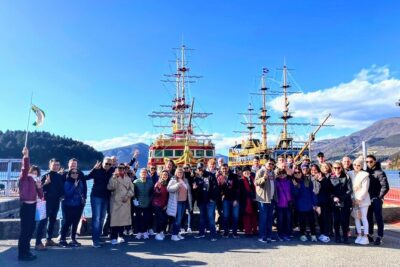
Mt Fuji and Hakone 1-Day Bus Tour Return by Bullet Train
Read our review →
Meiji Shrine, Asakusa, Skytree Bus Tour and Cruise
Read our review →
Mt Fuji & Hakone Cruise, Drum Show Bus 1 Day from Tokyo
Read our review →
Mt.Fuji & Lake Kawaguchiko 1-Day Bus Tour w/Optional Lunch
Read our review →
Open Top Panoramic Sightseeing Bus with Audio Guide
Read our review →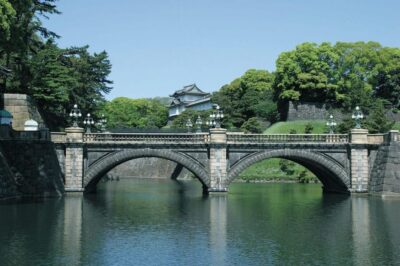
1 Day Bus Tour with Meiji-Jingu,Odaiba,lunch&Skytree
Read our review →Browse the lists this tour appears in