
Review · JAPAN
Kyoto: Full-Day Guided Bus Tour to Top Highlights & Tickets
Kyoto packs a lot into one day. This full-day bus tour links Arashiyama Bamboo Grove, the Golden Pavilion, Nijo Castle, Kiyomizu-dera, and Fushimi Inari Shrine without making you puzzle out Kyoto’s crowded transport system. I like the smart route and the chance to hear clear cultural background from guides such as Alan, Paola, Vicente, Pastor, and Alex.
I also like that the day leaves some room to explore on your own, especially at Fushimi Inari. The main drawback is simple: this is a very long, walking-heavy day, with stairs, crowds, heat, and limited time for lunch. It is a strong choice for a first visit, but not a gentle introduction to Kyoto.
Five things to know before booking
- Five major Kyoto sights in one day: The route covers Arashiyama, Kinkaku-ji, Nijo Castle, Kiyomizu-dera, and Fushimi Inari.
- Tickets depend on your booking choice: Admission to the Golden Pavilion, Nijo Castle, and Kiyomizu-dera is included only with the ticketed option.
- Bilingual guiding: Tours operate in English and Spanish, with guides praised for clear explanations and good humor.
- Expect a full physical day: Walking, steps, temple paths, and standing in the heat are part of the experience.
- Fushimi Inari gives you free time: You can choose how far to follow the torii gates rather than staying with a fixed guided route.
- A practical $50 starting price: The value is good if you want transport, coordination, guiding, and several admissions in one package.
Why this Kyoto bus tour works for a first visit
Kyoto is not difficult because its sights are far-flung by world standards. It is difficult because the famous places sit in different parts of the city, public transport can be crowded, and each stop has its own walking route and entrance system. This tour solves much of that in one long sweep.
You meet outside Hotel Keihan Kyoto Grande, close to Kyoto Station, where the guide waits with an Amigo Tours sign. Arrive at least 10 minutes early. The tour ends back at the same meeting point, which is useful if you have plans near the station afterward.
The day can begin around 7 a.m. and run close to 10 or 11 hours. That early start is part of the bargain. It gives you a shot at seeing major sights before the day becomes even more crowded, but you need to be ready for a long stretch away from your hotel.
The bus is a real advantage. You can sit between sites instead of changing trains or buses several times. Several guides have been praised for keeping the day punctual and explaining the next stop before arrival. Alan, in particular, is noted for switching smoothly between English and Spanish, while guides including Paola, Vicente, Pastor, Alex, and Alejandro have earned strong marks for warmth, organization, and cultural detail.
The tradeoff is that a group tour has a clock. You get an efficient overview, not unlimited time at every temple. If one garden or shrine grabs your attention, you may wish you had another hour.
More Full-Day Trips in Kyoto:
- Full Day Hiroshima and Miyajima Bus Tour
★ 5.0 · 12 reviews - Water Taxi All Day hop-on hop-off Venice of America Boat Tour
★ 4.5 · 3,932 reviews - Thessaloniki: Full-Day Bus Trip to Meteora
★ 4.8 · 3,471 reviews
Arashiyama Bamboo Grove: beautiful, brief, and popular
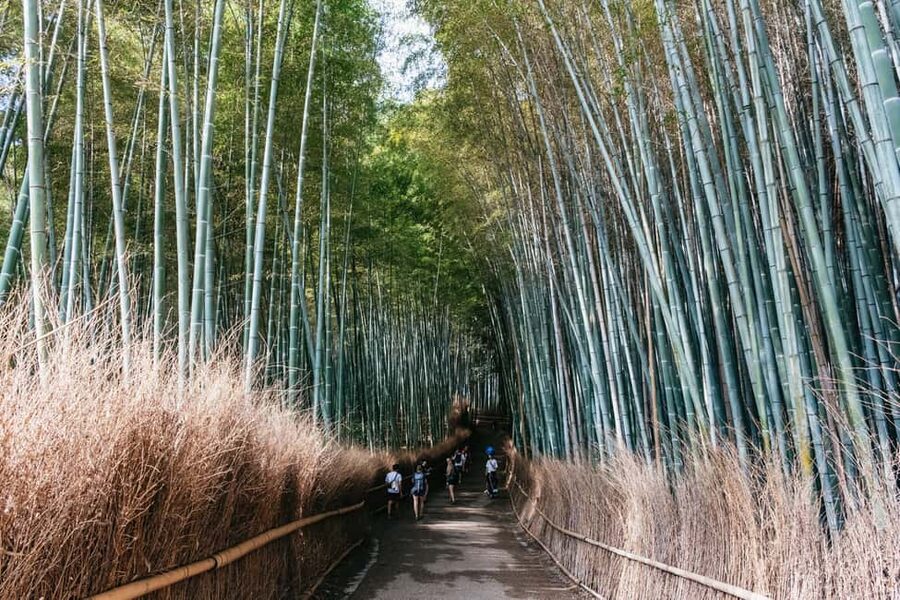
The day begins at the Arashiyama Bamboo Grove, one of Kyoto’s most recognizable sights. Tall bamboo rises on both sides of the path, and the soft movement of the stalks creates a calm mood even when the route is busy.
This is a place where timing matters. The grove is photogenic, but the main paths are popular and your time here may feel short. One useful detail from the tour experience is that some guides suggest an additional garden or temple during free time in Arashiyama. If your guide offers that option, listen carefully. A nearby garden may provide a quieter experience than simply taking more photographs on the main bamboo path.
Wear shoes with good grip. The route is not an extreme hike, but you will be walking from the bus, through the grove, and around nearby sights. If you want photographs without rushing, decide in advance whether you care more about the central bamboo path or about exploring beyond it.
The short visit is one of the tour’s weaker points for some people. Arashiyama has enough to fill half a day, while this itinerary has four more major stops waiting. I would treat the grove as a beautiful introduction, not as a complete visit to the district.
Golden Pavilion: gold leaf, water, and a quick garden walk
Kinkaku-ji, usually called the Golden Pavilion, is one of Kyoto’s visual showpieces. The gold-covered building reflects across a pond, with carefully arranged gardens around it. You do not need a long explanation to understand its appeal, but a good guide adds useful context about the setting and the way Japanese architecture works with water, trees, and open space.
The ticket detail matters here. Admission is included only when you choose the option with tickets. Check that choice carefully before paying. The basic advertised price is around $50 per person, but the final cost depends on the option and booking conditions.
Your visit follows a set path rather than an open-ended exploration. You can take photographs, see the pavilion from several angles, and walk through the grounds, but you should not expect a quiet private garden visit. This is one of Kyoto’s most popular stops, so crowds are part of the scene.
I like having the pavilion included in a coordinated route because reaching it independently and then fitting in the other four sights requires planning. The limitation is time. If you are especially interested in Japanese gardens, you may leave wanting more.
Nijo Castle: shogun-era rooms and the famous nightingale floors
Nijo Castle changes the mood of the day. After the gardens and temple grounds, you enter a historic residence associated with the shogun. The castle’s traditional rooms help you picture how Japan’s ruling class used space, ceremony, and design to display power.
The most memorable feature for many people is the nightingale floor. Its boards make a birdlike sound when walked on, an ingenious security measure intended to alert residents to movement. It is a small detail, but it gives the castle a human quality. You are not just looking at old rooms. You are seeing how the building worked.
Allow time for both the interior rooms and the gardens. One practical warning is that the castle visit can sometimes be unavailable for reasons outside the operator’s control. If that happens, the itinerary substitutes Sanjūsangen-dō Temple. That is a meaningful alternative, but it is not the same experience, so check the day’s arrangements with your guide.
The castle can also be where the schedule feels tight. Guides explain a great deal, and that is valuable, but a long introduction may reduce your independent viewing time. Stay aware of the meeting time and keep moving through the designated route.
More Attraction Tickets in Kyoto:
- Florence: Hop-on Hop-off Bus Tour: 24, 48 or 72-Hour Ticket
★ 4.0 · 6,283 reviews - Naples: Hop-on Hop-off Bus Tour 24-Hour Ticket
★ 4.3 · 5,157 reviews - Kennedy Space Center: Entry Ticket with Explore Bus Tour
★ 4.7 · 4,670 reviews - Munich Hop-On Hop-Off Tour: 1-Day or 2-Day Ticket
★ 4.3 · 4,161 reviews
Kiyomizu-dera: Kyoto views above the shop-lined approach
Kiyomizu-dera is one of Kyoto’s most rewarding stops because it combines architecture, views, and a lively approach road. Its large wooden stage looks across the valley and gives you a broad view over Kyoto. The temple complex also connects naturally to streets filled with traditional sweets, souvenirs, and craft shops.
The walk up to the temple can be tiring, especially after several earlier stops. Expect slopes, steps, and plenty of people. You will want comfortable shoes, water, sunscreen, and a hat, particularly in July or during other hot periods.
This is a good place to split your attention. First, take in the temple and the view. Then use any free time for the approach streets if the group schedule permits. The area offers more sensory detail than a quick photograph: shop windows, food smells, old-style facades, and the steady flow toward the temple.
Again, the ticketed option matters. Access to the included visit is provided only when admission has been purchased in advance through the selected option. If you are comparing prices, make sure you are comparing the same package.
Fushimi Inari: the best stop for choosing your own pace
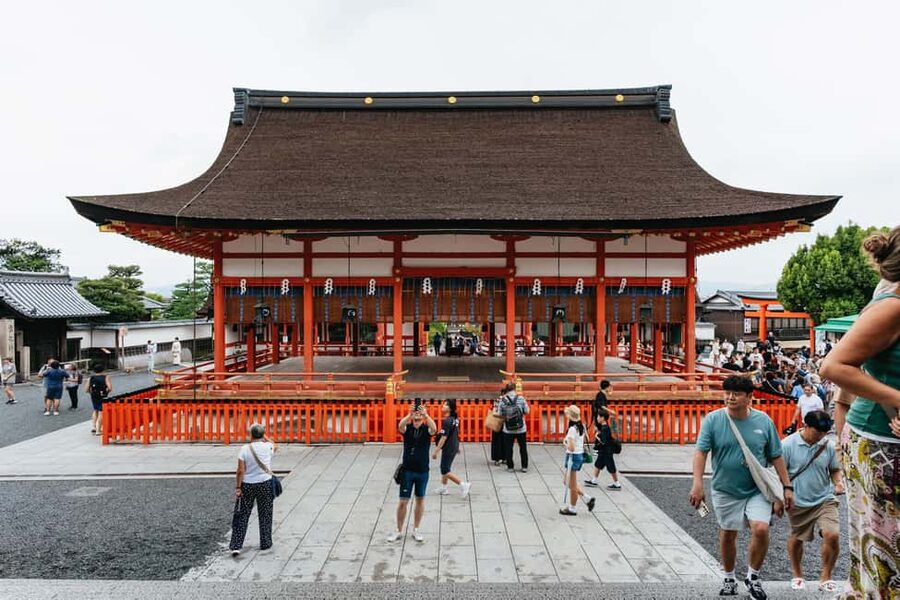
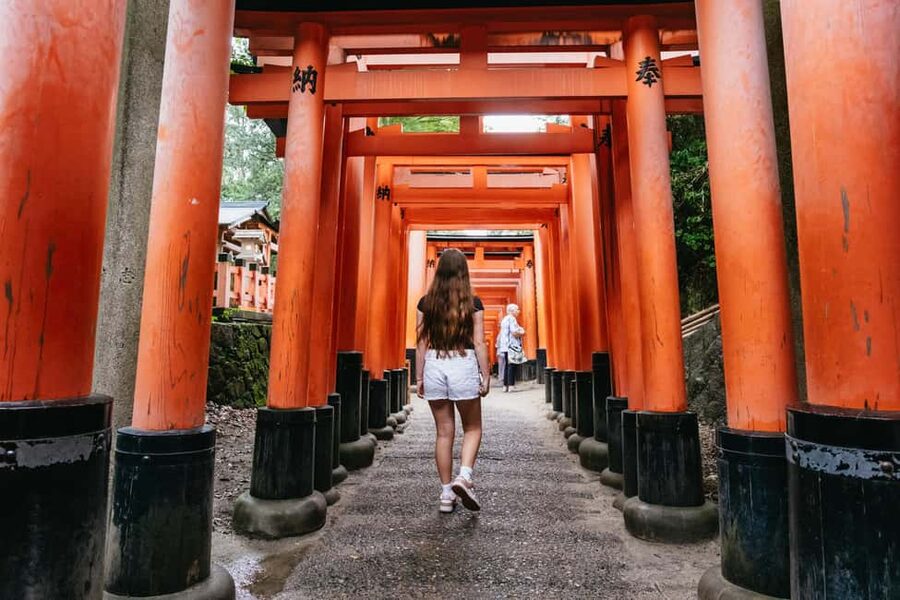
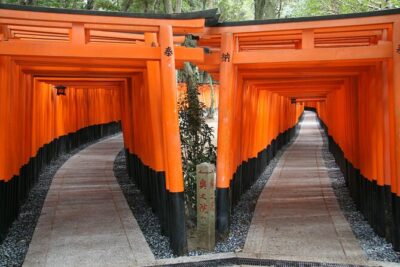
The final stop is Fushimi Inari Shrine, famous for its rows of bright red torii gates climbing into the wooded hills. Unlike a single viewing platform, this site is a route. You can walk beneath the gates for a short distance, continue farther uphill, or turn back when your legs have had enough.
That freedom makes Fushimi Inari a fitting end to the day. You have already followed a tightly managed schedule, so free time here lets you choose your own rhythm. You can focus on photographs, walk quietly under the gates, or simply enjoy the shrine entrance without attempting the entire mountain path.
Do not underestimate the stairs. By this point, you may already have spent hours on your feet. The tour is not suitable for wheelchair users or people with mobility impairments, and even fit participants should expect fatigue. One guide can suggest easier or more challenging route choices, but the site itself remains demanding.
The red gates are striking, yet this is also a spiritual place. Take a moment to notice the shift from the busy entrance toward quieter sections farther uphill. You do not need to reach the top to get a strong sense of the shrine.
Food, heat, rain, and the real pace of the day
Food and drinks are not included. This deserves more attention than it often gets because the itinerary can keep you moving for hours. A departure around 7 a.m. may not offer a proper restaurant opportunity until around 2 p.m., so bring something substantial rather than relying on a quick snack.
Carry water. Bring an umbrella if rain is possible, and use sunscreen even when the forecast looks mild. Summer heat can make the tour much harder, especially at exposed temple grounds and on uphill paths.
The bus gives you recovery time, but it does not turn this into a relaxed day. One useful way to think about it is as a sightseeing workout with seats between the sights. Families have enjoyed the format, including teenagers who responded well to the mix of stories and famous places, but children and older adults need to be comfortable with long walking periods.
The guides are a major part of the value. The strongest feedback centers on clear English, accurate cultural explanations, humor, and careful timekeeping. Bilingual tours can involve repeating information in English and Spanish, so explanations may take longer than on an English-only tour. That is helpful for mixed-language groups, but it also makes a packed schedule feel even more structured.
Is $50 a good value for this full day?
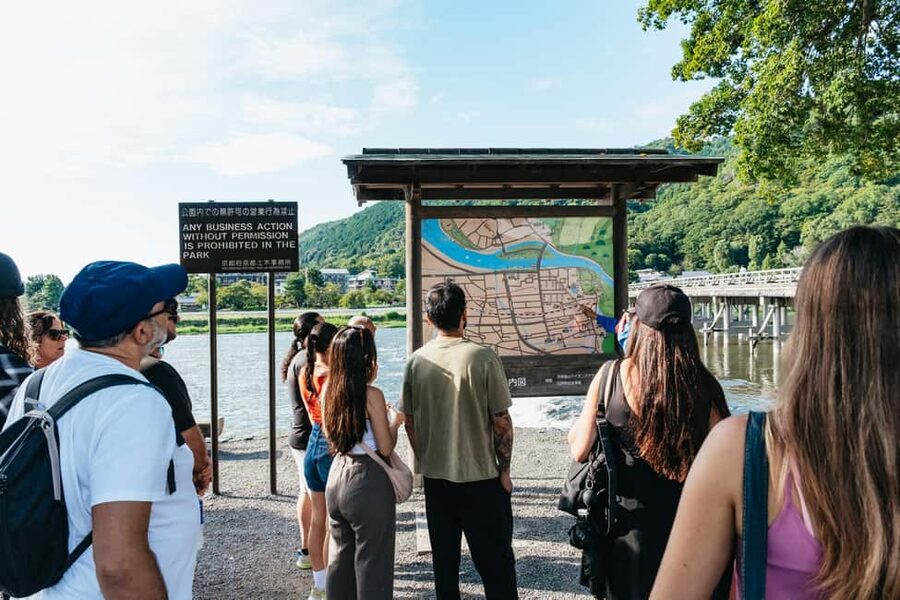
At about $50 per person, the tour offers solid value if your goal is coverage. You receive bus transportation from the meeting point, a bilingual guide, and access to three major paid sites when you select the ticketed option. Buying separate transport and admissions can take more planning, and you would need to keep an eye on connections all day.
The value is strongest for a first Kyoto visit, a short stay, or a day when you want the practical burden handled. The bus saves energy and removes much of the uncertainty of moving between Arashiyama, central Kyoto, eastern Kyoto, and Fushimi Inari.
The price is less attractive if you have several days in Kyoto and prefer slow visits. You may want half a day at Arashiyama, a long lunch, or extra time in one garden. This tour gives you breadth rather than depth.
Prices can also vary by booking option. One person may pay more than another depending on when and how the reservation was made, so compare the exact package, especially the ticket inclusion. The option without admissions may look cheaper but can create extra work and expense during the day.
Who should book this Kyoto day tour?
I would choose this tour if you have only one full day in Kyoto and want to see the headline sights with minimal transport planning. It also suits solo visitors, couples, and families who prefer a guide to explain what they are seeing rather than simply taking photographs and moving on.
It works best for people who can walk for most of a day, manage stairs, and cope with warm or wet weather. Bring comfortable shoes, water, a hat, sunscreen, a camera, and food.
I would hesitate if you use a wheelchair, have significant mobility limits, or dislike fixed schedules. I would also skip it if your main aim is quiet temple time. Kyoto’s most famous places are popular for a reason, and this route visits them at a brisk pace.
FAQ
Where does the tour start?
The meeting point is outside Hotel Keihan Kyoto Grande. The guide waits with an Amigo Tours sign.
Where does the tour end?
The tour ends back at the same meeting point outside Hotel Keihan Kyoto Grande.
How early should I arrive?
Arrive at least 10 minutes before departure for check-in.
Which languages are available?
The tour is offered in English and Spanish with a bilingual guide.
Are entrance tickets included?
Admission to the Golden Pavilion, Nijo Castle, and Kiyomizu-dera is included only when you select the option with tickets.
Is food included?
No. Food and drinks are not included, so bring water and consider packing food for the long day.
What happens if Nijo Castle cannot be visited?
If Nijo Castle is inaccessible because of circumstances beyond the operator’s control, the tour visits Sanjūsangen-dō Temple instead.
Is the tour suitable for wheelchair users?
No. The tour is not suitable for wheelchair users or people with mobility impairments.
Should you book it?
Book this tour if you want maximum Kyoto coverage in one day and value a well-organized bus, clear guiding, and help with the city’s major sights. Guides such as Alan, Paola, Vicente, Pastor, and Alex have made the experience especially strong through good timing, humor, and useful cultural detail.
Skip it if you want a slow, flexible day or if long walks and stairs are a serious concern. For most first-time visitors with limited time, the tour is a practical introduction to Kyoto, provided you accept the early start, the crowds, and the fact that five major sights require steady movement.
Just added around Kyoto
- Kyoto Sagano Romantic Train in Arashiyama Bus Tour★ 3.0 · 6 reviews
- NARUTO & BORUTO at Nijigen no Mori Park Entry& Bus Transportation★ 3.0 · 3 reviews
- Kyoto 1 Day Golden Route Bus Tour★ 5.0 · 15 reviews
- From Kyoto: Nara History Guided Half Day Bus Tour with lunch★ 5.0 · 23 reviews
- Kyoto Hop-On, Hop-Off Sightseeing Bus Tour★ 3.0 · 5 reviews
- Amanohashidate & Miyama 1-Day Bus Tour: From Osaka/Kyoto w/ Lunch★ 4.5 · 18 reviews
- Full Day Hiroshima and Miyajima Bus Tour★ 5.0 · 12 reviews
- Hiroshima, Miyajima 1 Day Bus with Indian Lunch from Osaka, Kyoto★ 5.0 · 7 reviews
Kyoto Bus Tours, compared.
Fushimi Inari, Kinkakuji, Bamboo Grove 1 Day Bus Tour
Read our review →
Kyoto/Osaka: Nara, Fushimi Inari Taisha, Arashiyama Bus Tour
Read our review →
Nijo, Kinkaku-ji, Arashiyama, Kiyomizu & Fushimi Inari
Read our review →
Nara History Guided Half Day Bus Tour with Lunch
Read our review →
Osaka/Kyoto: Katsuoji, Kinkakuji, Arashiyama 1-Day Bus Tour
Read our review →Nara History Guided Half Day Bus Tour with lunch
Read our review →Browse the lists this tour appears in