
Review · JAPAN
Tokyo: Kamakura & Enoshima Day Trip including Temple Tickets
Temples, street food, and a sea breeze await. This nine-hour outing gives you a smart introduction to Kamakura and Enoshima without the work of planning several train rides and local connections. I especially like the mix of major sights, from Tsurugaoka Hachimangu and the Great Buddha to Enoshima’s caves and coastal views. The included Hasedera and Kōtoku-in tickets also add useful value.
The main tradeoff is time. You see a lot, but the schedule is brisk, with only 30 minutes at the Great Buddha and about two hours on Enoshima. I also like the guides’ practical approach, especially the way guides such as Eric, Yuki, Mitsuko, Omar, and Mits-san have helped groups stay on schedule while sharing background about Japanese culture. Traffic can shorten time at the stops, so this is best viewed as a well-organized introduction rather than a slow, thorough visit.
Key points at a glance
- Kamakura’s major sights in one day: Visit Tsurugaoka Hachimangu, Komachi Street, Hasedera, and Kōtoku-in without arranging separate transport.
- The Great Buddha is the star: See the 13.3-meter bronze Amida Buddha and, when open, step inside the statue to view its structure.
- Enoshima adds a coastal finish: Explore the shrine, shopping street, caves, and sea views, with Mt. Fuji possible on a clear day.
- Temple tickets are included: Admission to Hasedera and Kōtoku-in is covered in the $58 price.
- Free time is built in: At most stops, you can follow the guide or explore on your own before meeting back at the vehicle.
- The day depends on good timing: Nine hours sounds generous, but traffic, crowds, meals, and long walks can eat into your sightseeing time.
Why Kamakura makes a good break from Tokyo
Kamakura once served as Japan’s political and cultural center during the Kamakura period. Its appeal today comes from the way Shinto shrines, Buddhist temples, shopping streets, and the sea sit within a relatively compact area.
From Tokyo, the hardest part is not knowing what to see. It is fitting the main sights together without losing time at train stations or trying to work out local connections. This tour handles that part with an air-conditioned vehicle and a guide who keeps the group moving.
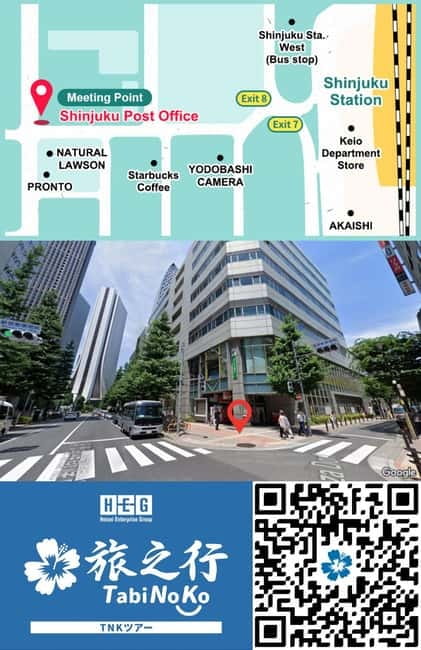
The meeting point is either the Shinjuku Post Office or GLOBAL RING CAFÉ, depending on the option you book. You need to arrive 10 minutes before departure. The vehicle leaves on time, and the only stated drop-off is in the Shinjuku area.
The guide service is offered in English or Chinese. The exact guide varies, but the strongest part of the experience is the human element. Eric has been praised for clear historical explanations and restaurant suggestions. Yuki has been described as patient and easy to understand, while Mitsuko and Mits-san have received strong praise for keeping the day calm and well organized. Omar is known for keeping the schedule on track while adding humor.
That matters on a day like this. A guide who simply points at a temple adds little. A guide who tells you what you are looking at, explains local customs, and reminds you where to meet again can make a tight schedule feel much easier.
More Bus Day Trips in Japan
- Mt Fuji and Hakone 1-Day Bus Tour Return by Bullet Train
★ 5.0 · 26,383 reviews - 1-Day Tokyo Bus Tour
★ 5.0 · 14,250 reviews - PERFECT KYOTO 1-Day Bus Tour
★ 5.0 · 13,518 reviews
Tsurugaoka Hachimangu gives the day its historical center
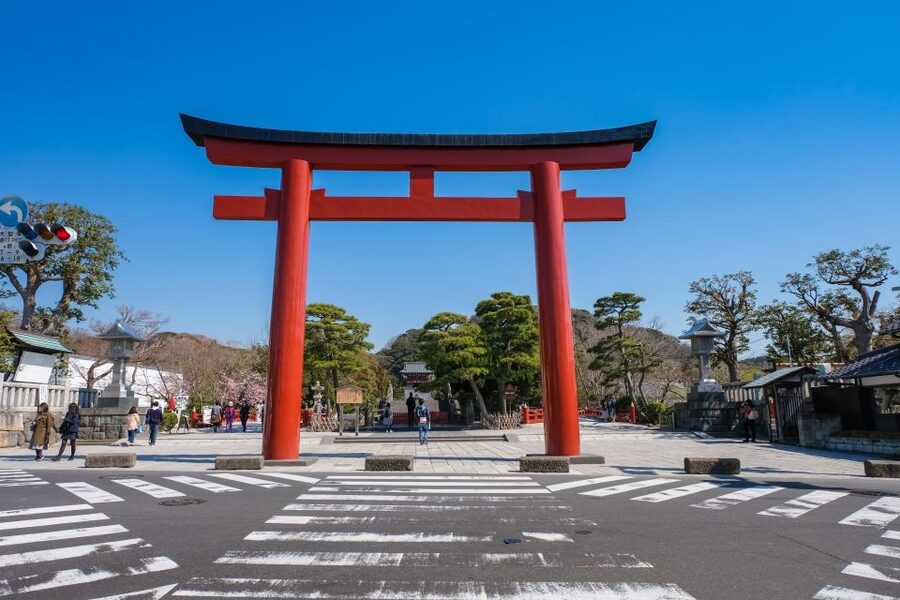
Your first major stop is Tsurugaoka Hachimangu, Kamakura’s best-known Shinto shrine. It has more than 800 years of history and once served as a spiritual anchor for samurai society.
You have about an hour here for photographs, sightseeing, and free time. That is enough to appreciate the approach, shrine buildings, grounds, and general atmosphere, but it is not enough for a detailed study of every feature.
The shrine is also one of Japan’s most visited pilgrimage sites. About 2.5 million people arrive during New Year’s hatsumode, the first shrine visit of the year. Even outside that season, it can feel busy, especially around holidays and popular viewing periods.
I like starting here because it gives the day a clear sense of place. You are not just visiting a pretty shrine. You are seeing a site closely tied to Kamakura’s rise as a center of power.
The schedule also gives you some freedom. You can stay with the guide for context, take photographs, or use your hour to look around independently. If you want a quiet, reflective visit, crowd levels and the short time limit may be the main frustration.
Komachi Street turns sightseeing into lunch
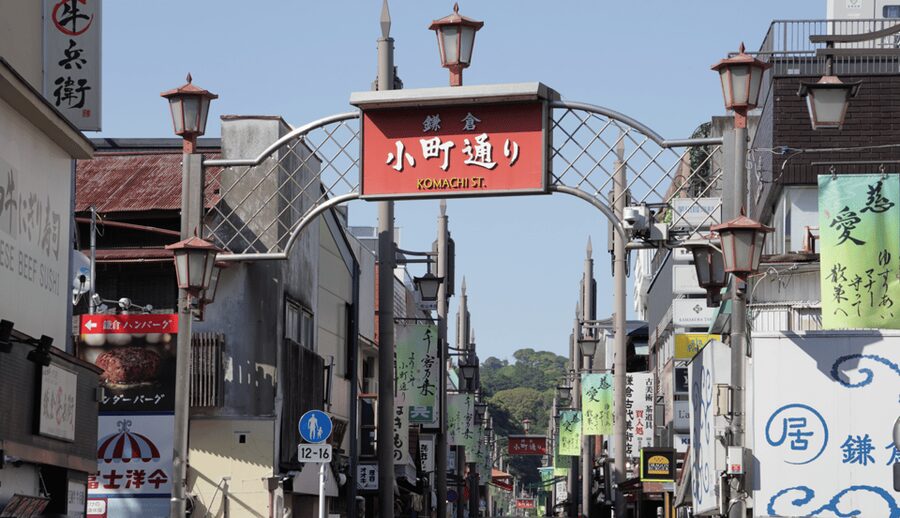
From the shrine, the route continues to Komachi Street, a shopping road stretching roughly 360 to 600 meters between Kamakura Station and Tsurugaoka Hachimangu. Around 250 shops line the street, selling souvenirs, clothing, local food, and small gifts.
You get about an hour here. That makes Komachi Street less of a formal sightseeing stop and more of a chance to eat, browse, and get a feel for modern Kamakura.
Look for local snacks such as dumplings, croquettes, and shirasu dishes. Shirasu, small white fish often served in local coastal cuisine, is one of the area’s specialties. You will also find cafés and restaurants, though a full sit-down meal can use up much of your hour.
My practical advice is to keep the meal simple. One person on the tour found it better to buy food from a vendor rather than sit down when time was tight later at Enoshima. The same idea works here. A quick local snack lets you see more of the street and avoids the stress of watching the clock over lunch.
Komachi Street can be crowded, and it is easy to spend your entire break shopping. Set a meeting alarm on your phone and leave a few minutes to reach the bus. This is one stop where your choices matter: browse slowly and eat less, or grab a quick bite and save room for Enoshima’s seafood.
Hasedera combines flowers, views, and small details
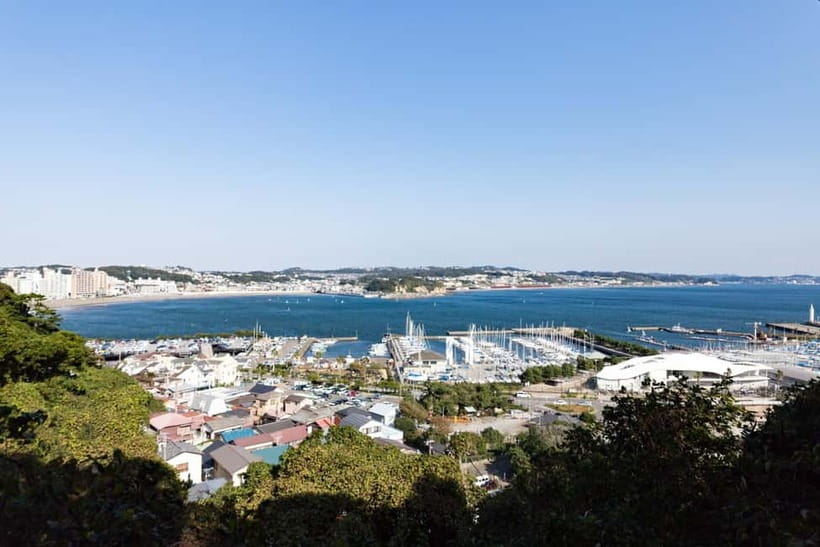
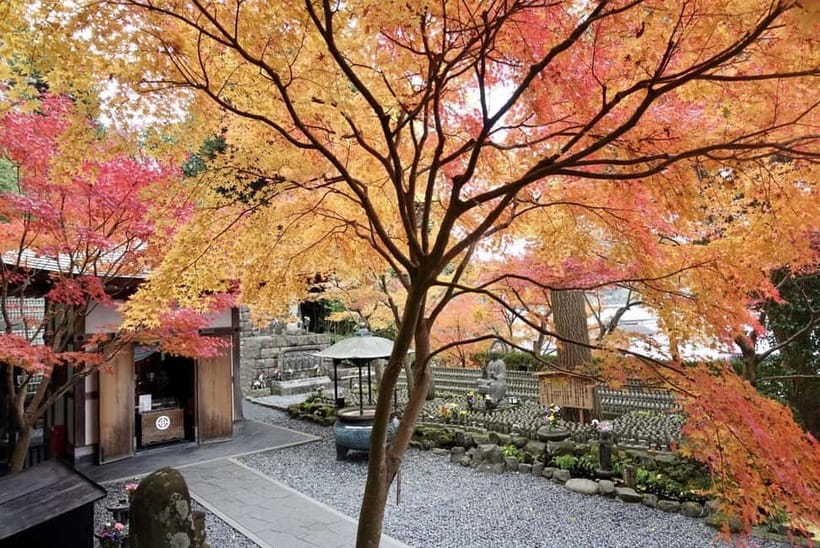
Hasedera is one of Kamakura’s oldest temples, founded in 736. The temple is known for its 9.18-meter Eleven-Headed Kannon statue, seasonal flowers, and views across the city toward Sagami Bay.
The visit lasts about 50 minutes, and admission is included. That ticket is important because Hasedera is one of the places where the garden setting matters as much as the main religious object.
Depending on the season, you may see cherry blossoms, peonies, hydrangeas, or autumn leaves. The temple is especially well known for hydrangeas, but the grounds have something to offer at other times of year too.
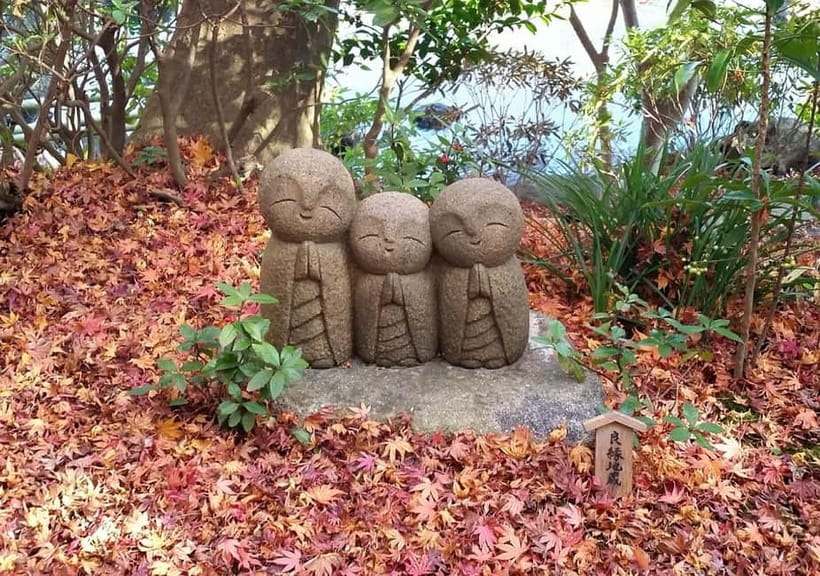
Look for the small Jizo statues placed around the grounds. They are easy to pass without noticing, but they add a gentle, personal touch to the visit. The temple also gives you a chance to slow down briefly after the busy shopping street.
The drawback is that 50 minutes goes quickly. You may need to choose between following the guide, taking photographs, looking at the flowers, and enjoying the view. The route can involve walking and some uphill sections, so comfortable shoes will help.
Same place, a different way to ride:
- Peaceful Hiroshima & Miyajima UNESCO 1 Day Bus Tour
★ 5.0 · 5,309 reviews - Kyoto: Fushimi Inari, Kinkakuji, Bamboo Grove 1 Day Bus Tour
★ 4.8 · 4,316 reviews - Tokyo: Meiji Shrine, Asakusa, Skytree Bus Tour and Cruise
★ 4.7 · 1,986 reviews - Mt Fuji & Hakone Cruise, Drum Show Bus 1 Day from Tokyo
★ 4.0 · 1,287 reviews
Kōtoku-in and the Great Buddha
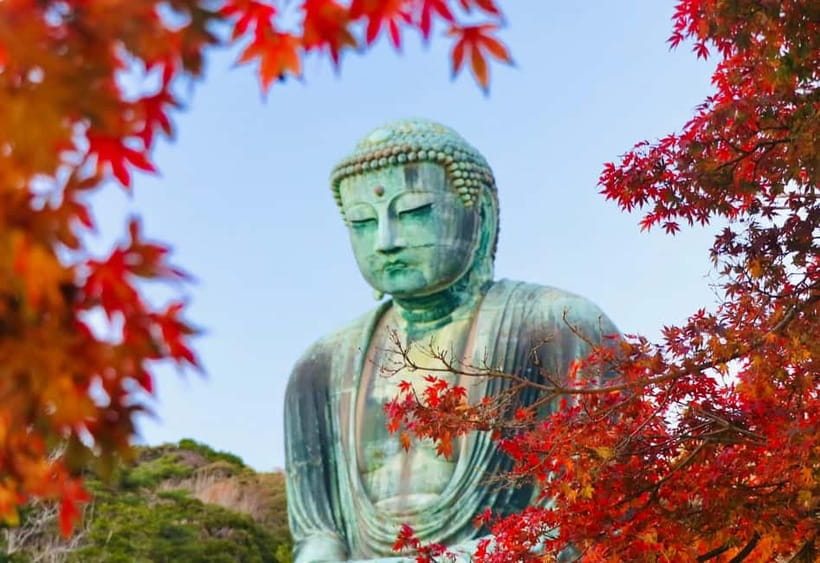
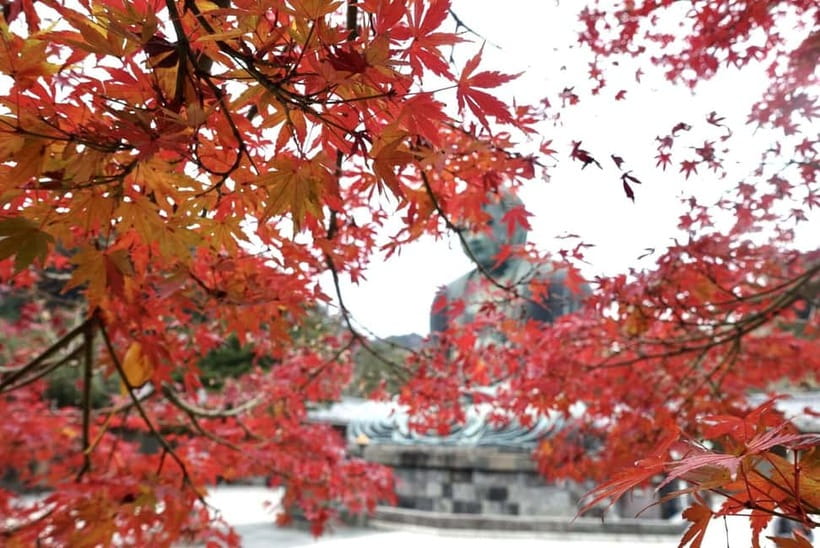
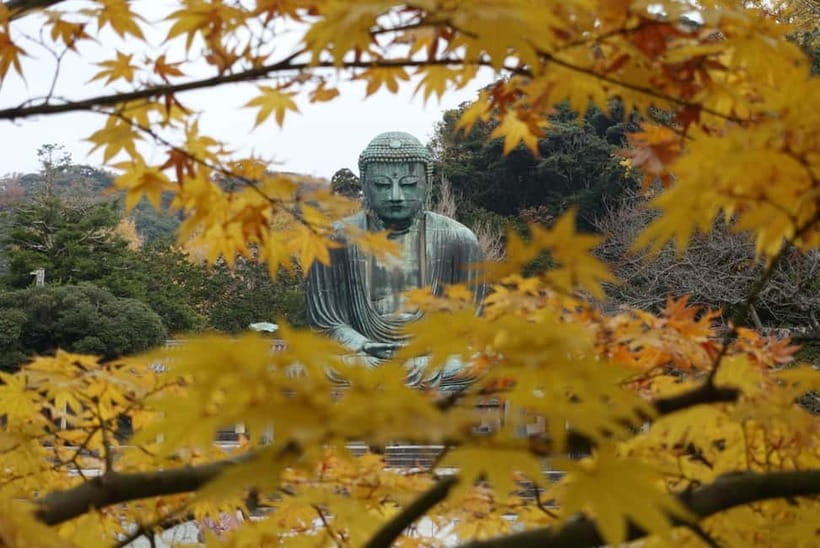
Kōtoku-in is home to the Great Buddha of Kamakura, a bronze Amida Buddha about 13.3 meters tall and weighing around 121 tons. The statue is a National Treasure and one of the most recognizable religious monuments in Japan.
The planned visit is about 30 minutes, with admission included. That is enough to get close to the statue, take photographs, and appreciate its size. You may also be able to enter the statue and see part of its internal structure.
This is the shortest major stop, and it is the one most likely to leave you wanting more. The Great Buddha deserves time to view from different angles, and the surrounding temple grounds have their own calm atmosphere. If this statue is the main reason you want to visit Kamakura, an independent day trip would give you more freedom.
For a first visit, though, the stop works. You see the essential sight without spending hours in one place, and the tour preserves time for Enoshima. The surrounding seasonal beauty is another reason to pay attention beyond the statue itself. Cherry blossoms in spring and autumn leaves can change the feel of the grounds.
Enoshima brings the sea into the picture
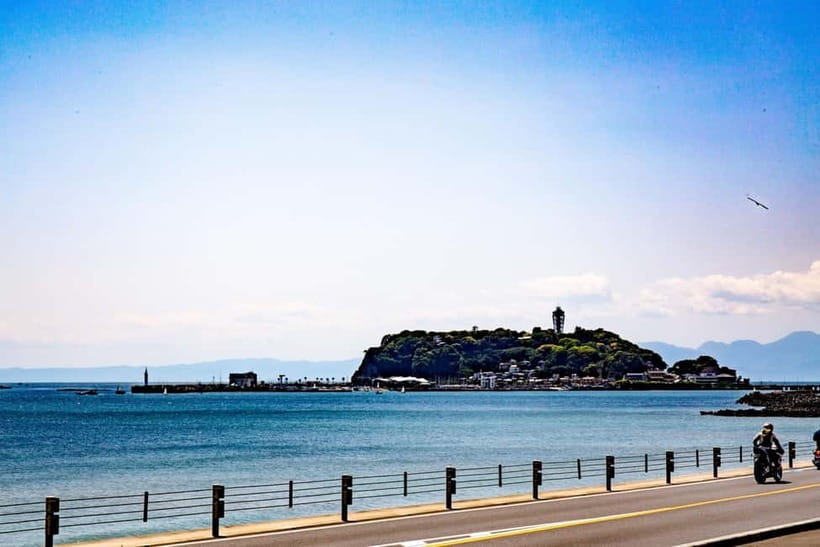
The final major stop is Enoshima, where you have about two hours. This is the most varied part of the day, with a shrine, shopping street, cafés, seafood, walking paths, caves, and high views toward the coast.
Enoshima is connected to the mainland but feels distinct from inland Kamakura. The island has a long religious tradition, and Enoshima Shrine is more than 1,000 years old. The route also includes Enoshima Benzaiten Shopping Street, where you can find local snacks, souvenirs, and restaurants.
Fresh seafood is a natural choice here, but plan your meal carefully. A sit-down restaurant can take enough time that you miss the caves or lose the chance to reach a viewpoint. If you want to sample local food and see more of the island, small portions or food from a vendor are the safer choice.
The island is not flat sightseeing. You should expect walking, steps, and time spent moving between sights. The tour allows free time, so you can stay with the guide or set your own priorities. Some people will prefer the shopping street and cafés. Others will make for the shrine, Sea Candle, or Iwaya Caves.
Enoshima Sea Candle offers the best chance for wide views
The Enoshima Sea Candle is the island’s scenic observation tower. From a high point, you can look across the Shonan Coast, and on a clear day Mt. Fuji may be visible.
The view depends heavily on weather. A hazy day can hide Fuji completely, so do not book this day expecting a guaranteed mountain photograph. Clear winter weather may offer the best chance, but conditions are never promised.
The tower is included in the Enoshima sightseeing portion, but the provided details do not state that an admission ticket is included. Check the exact booking conditions if entering the tower is essential to your plans.
Even without the clearest Fuji view, Enoshima is valuable because it changes the pace of the day. After temples and historical sites, you get open coastal scenery and a sense of the Shonan Coast’s local life.
Enoshima Shrine and Iwaya Caves
Enoshima Shrine is spread across the island and connected to its long religious tradition. The visit gives you another look at Japan’s blend of sacred spaces and ordinary daily tourism, since the shrine sits near food stalls, shops, and walking routes.
The Iwaya Caves offer a different kind of stop. You can walk through the historic cave area and see one of Enoshima’s more unusual attractions. The caves are included in the sightseeing plan, but an entrance ticket is not specifically listed among the included admissions, so check before booking if this is a priority.
Two hours is enough to sample these places, not to explore them at length. I would decide before reaching the island what matters most to you. If you want the cave, start there. If food and shopping are more important, stay near Benzaiten Shopping Street. Trying to do every attraction, eat a full meal, and linger over photographs will feel rushed.
What the $58 price really covers
At $58 per person, the tour offers solid value for a visitor staying in Tokyo who wants a broad look at the area. You are paying for nine hours of transport, an air-conditioned vehicle, an English or Chinese-speaking guide, and admission to Hasedera and Kōtoku-in.
The value is strongest if you want convenience. You do not need to plan the route between Kamakura’s separate sights, watch train schedules, or work out how to fit Enoshima into the same day. A guide also provides structure and local context.
The price is less compelling if you prefer to spend an hour or more at every temple. You will cover a lot of ground, but the schedule limits depth. Several people who enjoyed the tour still wished for more time on Enoshima or at the Great Buddha.
Traffic is another factor. Kamakura’s streets can be narrow, and congestion may force the guide to shorten stop times. The company says the vehicle size can change according to group size and conditions, and passengers booked in different languages may share a vehicle. That is normal for a group day trip, but it means the exact feel of the day can vary.
Who should book this Kamakura day trip?
I would choose this tour if you are based in Tokyo, have limited time, and want to see the area’s major sights without building the day yourself. It is especially useful for first-time visitors, families, and anyone who values a guide and a fixed return to Shinjuku.
It also suits people who like a mixture of culture, food, shopping, and scenery. You are not spending nine hours inside temples. You move from shrine to shopping street, then to gardens, a giant Buddha, and a coastal island.
I would hesitate if you want a quiet photographic outing, a long meal, or detailed time inside each temple. Independent visitors can stay longer at Kōtoku-in, explore additional Kamakura shrines, or devote the full afternoon to Enoshima.
Wear comfortable shoes, carry water in hot weather, and arrive early at the correct meeting point. Summers can be very hot, and several departures have involved a great deal of walking. Keep your phone handy for the meeting time, and do not assume a late arrival can be accommodated. The vehicle leaves on schedule, though the tour may adjust stop lengths if traffic causes delays.
Free cancellation up to 24 hours before departure and the option to reserve now and pay later make the booking less risky. Still, check your exact meeting point and language option carefully, since those details can vary.
Should you book it?
Book this tour if you want a well-paced first look at Kamakura and Enoshima for a reasonable price. The included temple tickets, air-conditioned transport, and strong guide service make it a practical choice from Tokyo.
Skip it if the Great Buddha or Enoshima alone deserves a full day in your plans. For everyone else, this is a good way to see the essentials, taste the local food, and decide which places deserve a slower return visit.
FAQ
How long does the Kamakura and Enoshima tour last?
The tour lasts nine hours, or 570 minutes.
What languages are available?
The live guide service is available in English and Chinese.
Where does the tour depart?
There are two possible starting locations: Shinjuku Post Office and GLOBAL RING CAFÉ. The exact meeting point depends on the option booked.
Where does the tour finish?
The available drop-off location is in the Shinjuku area.
Are temple admission tickets included?
Tickets for Hasedera and Kōtoku-in are included.
How much free time is provided at the main stops?
The planned time is about one hour at Tsurugaoka Hachimangu, one hour at Komachi Street, 50 minutes at Hasedera, 30 minutes at Kōtoku-in, and two hours at Enoshima.
Can I visit Mt. Fuji during the tour?
You can view Mt. Fuji from Enoshima on a clear day. Visibility depends on weather conditions.
Can I leave the tour before it ends?
You may leave the group partway through, but you must tell the guide on the day and complete a departure form.
What happens if traffic delays the bus?
If traffic or another unexpected problem delays the vehicle, the time at the attractions may be adjusted. The tour departs on time, so you should arrive at the meeting point 10 minutes early.
More One-Day Trips in Japan
- Mt Fuji and Hakone 1-Day Bus Tour Return by Bus
★ 4.5 · 929 reviews - Tokyo: Mt.Fuji & Lake Kawaguchiko 1-Day Bus Tour w/Optional Lunch
★ 4.5 · 839 reviews - From Hiroshima: Hiroshima & Miyajima 1 Day Tour with Lunch
★ 4.7 · 395 reviews - Tokyo: A Half-Day Trip Bus Tour in the Morning
★ 4.6 · 236 reviews
Just added around Japan
- Kyoto Sagano Romantic Train in Arashiyama Bus Tour★ 3.0 · 6 reviews
- NARUTO & BORUTO at Nijigen no Mori Park Entry& Bus Transportation★ 3.0 · 3 reviews
- Kyoto 1 Day Golden Route Bus Tour★ 5.0 · 15 reviews
- From Kyoto: Nara History Guided Half Day Bus Tour with lunch★ 5.0 · 23 reviews
- Kyoto Hop-On, Hop-Off Sightseeing Bus Tour★ 3.0 · 5 reviews
- Amanohashidate & Miyama 1-Day Bus Tour: From Osaka/Kyoto w/ Lunch★ 4.5 · 18 reviews
- Full Day Hiroshima and Miyajima Bus Tour★ 5.0 · 12 reviews
- Hiroshima, Miyajima 1 Day Bus with Indian Lunch from Osaka, Kyoto★ 5.0 · 7 reviews
Bus Day Trips, compared.
Mt Fuji and Hakone 1-Day Bus Tour Return by Bullet Train
Read our review →
Day Trip to Grindelwald, Interlaken & Lauterbrunnen
Read our review →
Munich Hop-On Hop-Off Tour: 1-Day or 2-Day Ticket
Read our review →
From NYC: Guided Day Trip to Washington DC by Van or Bus
Read our review →Browse the lists this tour appears in